
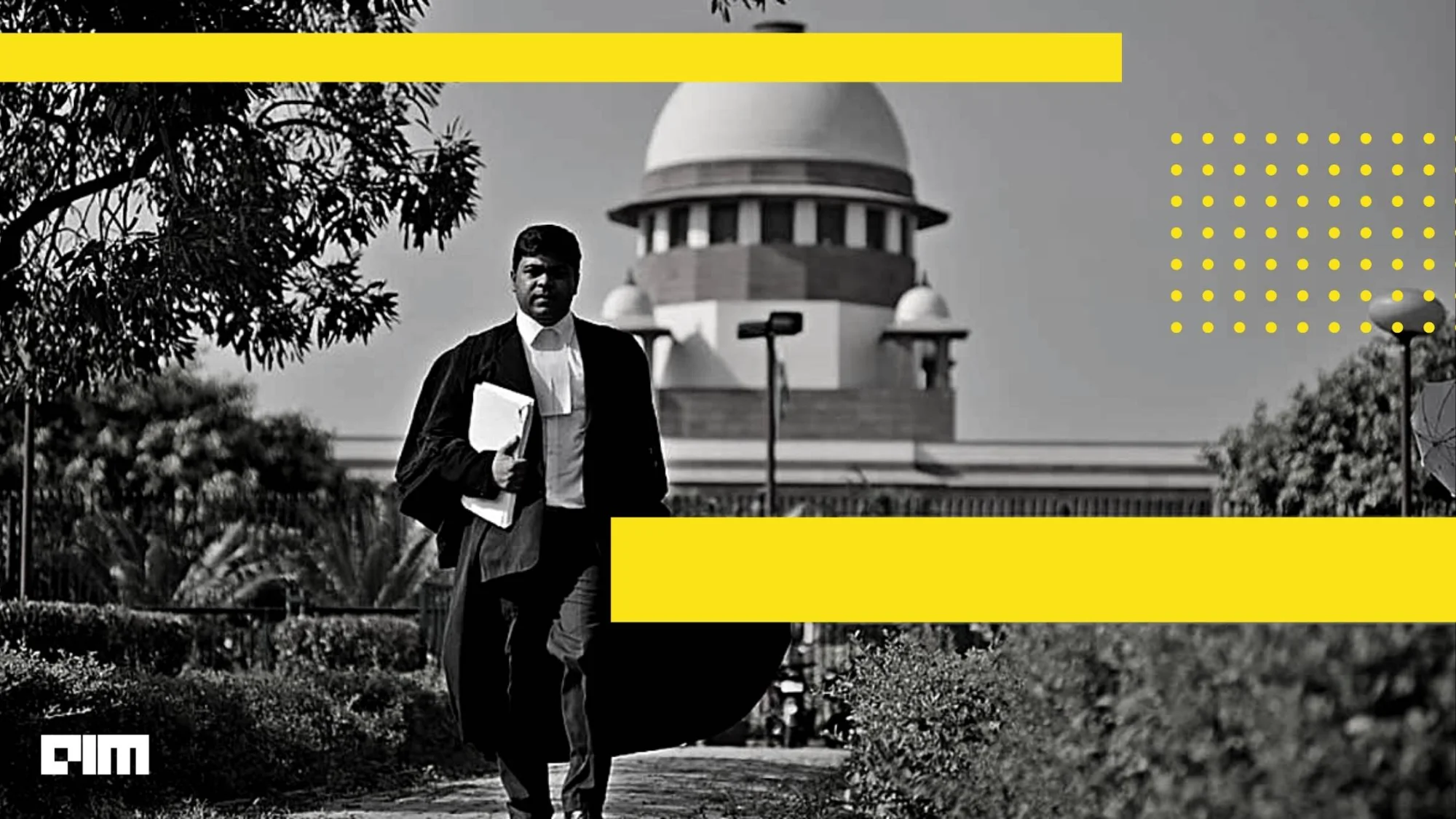
The Supreme Court of India has issued a strong warning about the use of AI in judicial decision-making, stating that orders based on AI-generated and non-existent judgments could amount to misconduct, rather than an error of judgment.
A bench comprising Justices P.S. Narasimha and Alok Aradhe took cognisance of a trial court’s reliance on purportedly AI-generated fake judgments while dismissing objections in a civil dispute. The Supreme Court said this practice strikes at the integrity of the adjudicatory process and that decisions founded on fabricated precedents cannot be treated lightly.
The bench issued notices to the Attorney General of India, Solicitor General, and the Bar Council of India, and appointed senior advocate Shyam Divan to assist the court as it examines the broader implications of the matter. Pending the hearing, the apex court directed that the trial court must not proceed based on the questioned report. The matter is now listed for further hearing on March 10.
Highlighting the growing influence of AI in legal practice, the Supreme Court also flagged concerns about lawyers filing petitions drafted with AI tools that cite non-existent cases such as ‘Mercy vs Mankind’.
While American courts have seen a series of disciplinary actions since 2023, most notably the sanctioning of attorneys for filing fabricated precedents sourced from chatbots, the Indian legal system has recently been confronting this challenge.
Anandaday Misshra, founder and managing partner of AMLEGALS, a specialised law firm functioning across cities, Indian courts are “definitively encountering” AI-generated citations, with the risk moving from abstract speculation to documented judicial observation in 2024-25.

Your reaction
Discussion
What's your take on this story?
No comments yet — be the first to share your view.