Key takeaways
- Develop AI tool to recognize and interpret Kathakali gestures, enhancing cultural accessibility.
- Leverage AI advancements to preserve and analyze traditional Indian art forms like Kathakali.
- Create a database of mudra representations for accurate gesture identification with minimal training data.
- Address challenges in digitizing intricate dance forms, promoting understanding of complex performances.
- Explore adaptability of AI system for other dance styles and sign language recognition.
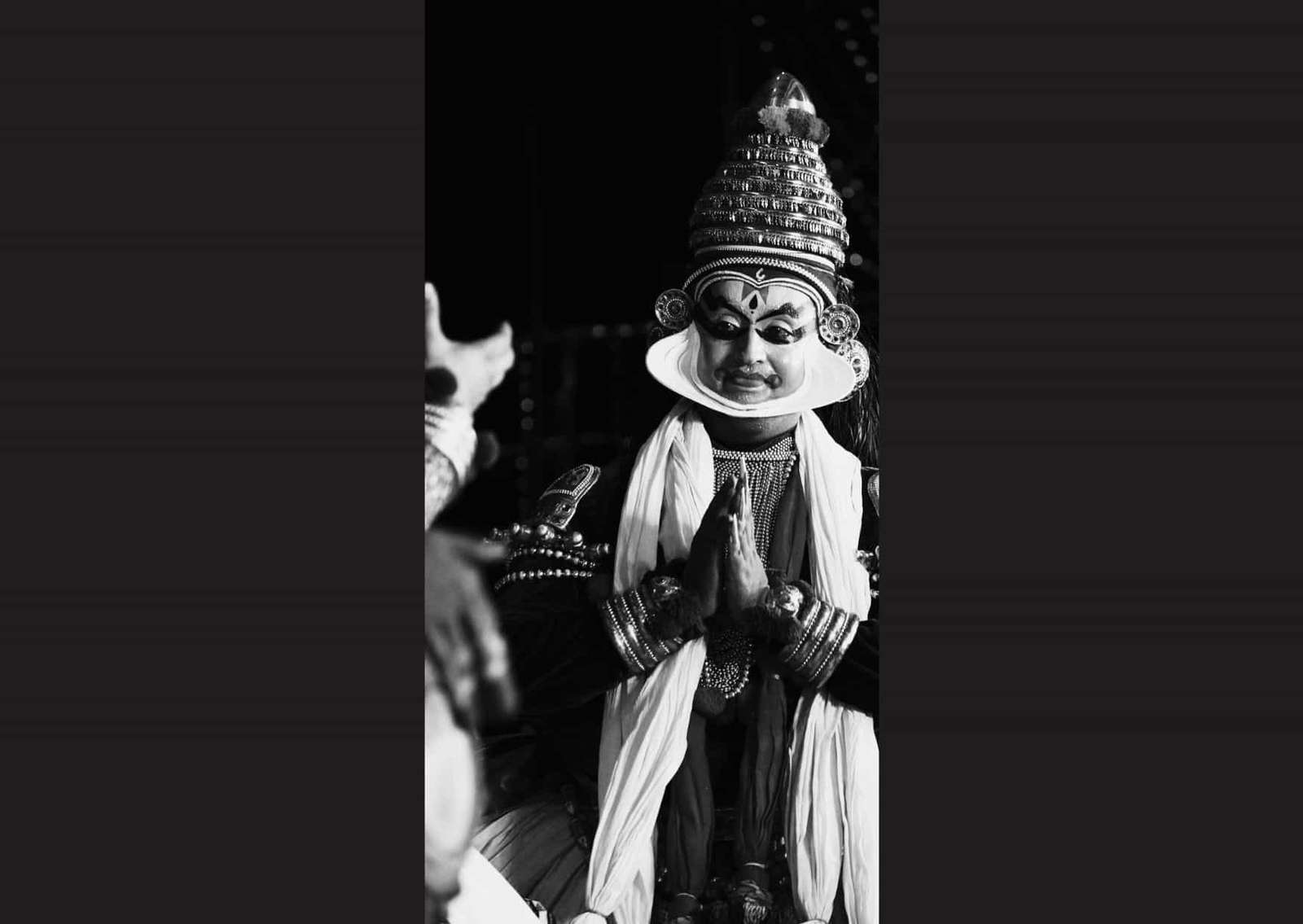
Kathakali, a traditional dance drama art form from Kerala, can now be understood by all, including a foreign audience. Performed based on subject matter from the Ramayana, the Mahabharata, and stories from Shaiva literature, AI can now help understand the stylised gestures and facial expressions of the performers.
A recent research paper by the Indian Institute of Information Technology in Kottayam, in collaboration with the Kerala Kalamandalam, Thrissur, aims to develop an AI-enabled tool capable of providing semantic interpretations of the art form.
The study hopes to leverage advancements in AI, particularly in computer vision and natural language processing, to preserve and interpret cultural heritage, specifically focusing on the Indian classical art form Kathakali.
The goal is to develop a system that can automatically recognise and interpret the gestures, or mudras,used in Kathakali performances. By doing so, the study aims to address the challenges of digitising and understanding this intricate art form, which involves complex hand gestures and facial expressions.
By building a database of vector representations of mudras and comparing them to input data, the system can identify and interpret the gestures being performed. Importantly, the study aims to achieve this with minimal training data, making it adaptable to other dance forms or related areas like sign language recognition.
Overall, the study seeks to contribute to the preservation and understanding of cultural heritage by applying AI techniques to digitally analyse and interpret traditional art forms.
AI and dance are not a new duo. In 2019, renowned choreographer Wayne McGregor unveiled his newest creation, "Living Archive: An AI Performance Experiment," in a world premiere. McGregor collaborated with Google Arts and Culture Lab to develop an innovative AI choreographic tool, drawing from 25 years of his video archive.
Spotted an error? Tell our editors. Read our editorial standards and corrections.