Key takeaways
- Diffusion models gained popularity in 2022, particularly in text-to-image generation.
- Models like DALL-E, Midjourney, and Stable Diffusion transformed social media with their generated images.
- NVIDIA provides insights into diffusion models as an alternative to GANs, highlighting their advantages and workings.
- Assembly AI offers comprehensive resources for understanding diffusion models and creating them in Python.
- These resources cater to both casual users and machine learning enthusiasts seeking to learn about diffusion models.
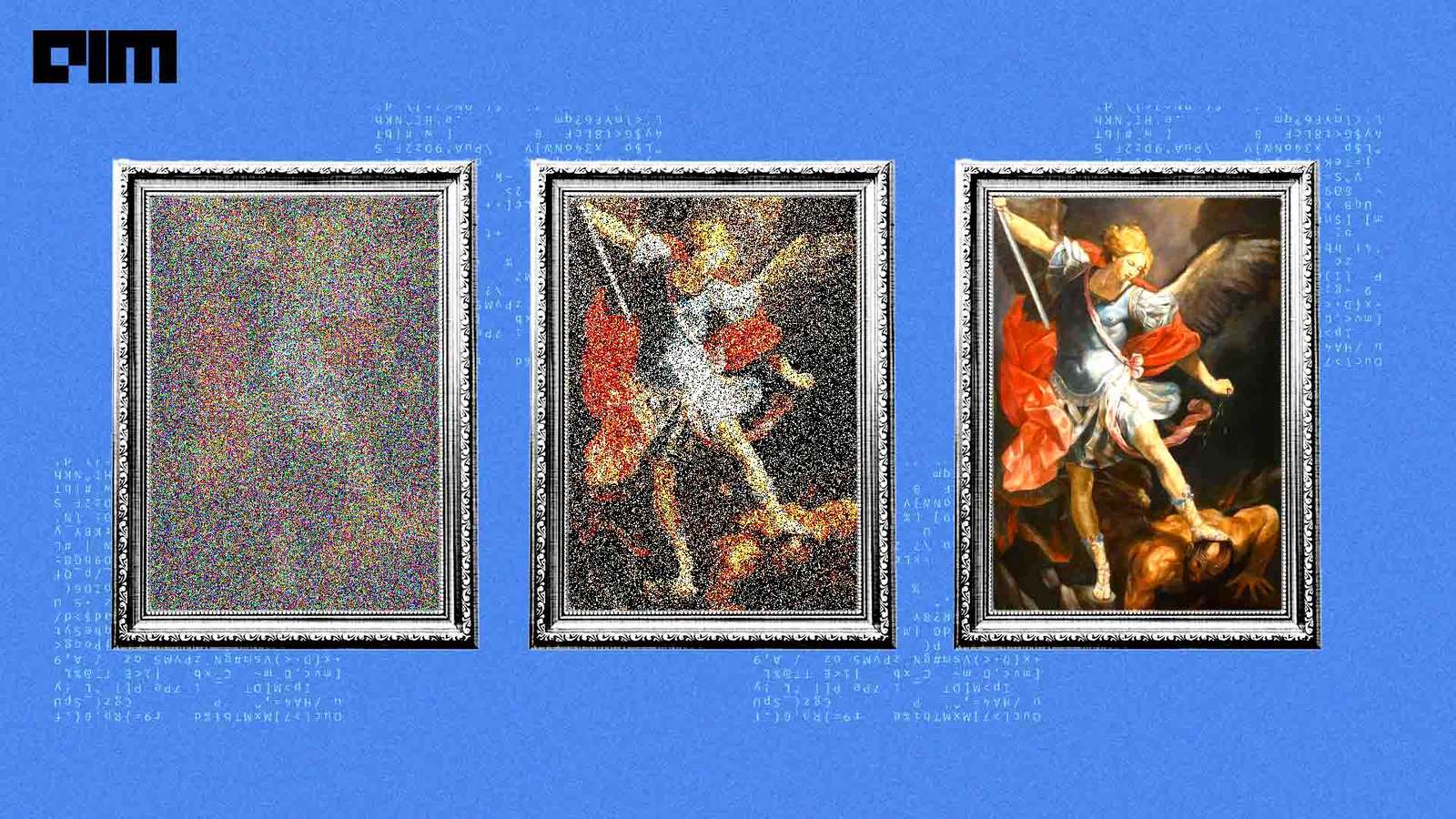
Text-to-image models ruled the roost in 2022. Models like DALL-E, Midjourney, and Stable Diffusion collectively broke the internet as most social media feeds got filled with images generated by these models. These generative models worked on the revived machine learning algorithm – diffusion models – that generate images by adding and then removing noise in an image.
An artist or any regular Joe on the internet could head to these models, enter a prompt, and voila! The images start appearing. But a machine learning enthusiast might wonder how exactly these diffusion models work.
Check out these resources that offer in-depth explanations about diffusion models from scratch.
NVIDIA - Improving Diffusion Models as an Alternative To GANs
Probably the first blog you should check out to figure the pros and cons of using diffusion models is NVIDIA’s. Researchers published this blog to provide a perspective on why diffusion models are an alternative to GANs. The second part of the blog offers an in-depth explanation about the working of diffusion models.
Click here to check it out.
Assembly AI
Providing a deep-dive into the working of a diffusion model, Assembly AI’s blog is one of the greatest resources for getting into the generative AI field. The blog covers in-depth information on DALL-E 2, while also providing knowledge about how to create diffusion models in Python.
Click here to check it out.
Read: GANs in The Age of Diffusion Models
Yannic Kilcher’s YouTube Channel
Yannic Kilcher has been making videos explaining almost every single trend in the field of machine learning. His video, ‘DDPM - Diffusion Models Beat GANs on Image Synthesis’, explains the research paper by OpenAI step by step. With experimental examples and explanations of each part of the paper, the video is a useful resource to understand the research behind the rising generative model.
HuggingFace Diffusion Model Course
A long, extensive library of courses for diffusion models, HuggingFace’s GitHub repository offers the theory of diffusion models and then goes on to explain how you can train your own models and create custom pipelines. The prerequisite of the course is to have an understanding of Python and basics of PyTorch.
Click here to check out the course.
Lilian Weng - What are Diffusion Models
This GitHub paper starts from the basics of generative models like GAN, VAE, and Flow-based models and compares them to the rising diffusion models and what makes them stand apart. The blog is specifically better for machine learning enthusiasts interested in diving into the mathematical explanation of diffusion models.
Click here to check it out.
Read: Diffusion Models: From Art to State-of-the-art
An Introduction to Diffusion Models
A blog by Ayan Das, PhD student at University of Surrey, explains the origin of diffusion models and its use cases, linking it to score-based generative models along with the mathematical explanation. Das has been publishing various articles explaining about deep learning in fields like computer vision and is also a reviewer at conferences like ICCV, SIGGRAPH, ACM, and BMVC.
Click here to check out the blog.
Generative Modeling by Estimating Gradients of Data Distribution
Yang Song from Stanford University published his blog about generative models and spoke about diffusion models. He explained how likelihood-based and implicit-generative models are useful, but the generative AI field is shifting towards diffusion models and proving themselves to be essential tools because of their denoising capabilities.
Click here to learn more.
Diffusion Models as a kind of VAE
While Ayan Das linked diffusion models to score-based models, Agnus Turner connected them to VAEs. The blog explains how the research paper by OpenAI has spared the interest of researchers in the generative AI field again and diffusion models proved to be the game changer.
Click here to read more.