Key takeaways
- Generative Adversarial Networks (GANs) are a modern standard in machine training, particularly in Computer Vision.
- GANs consist of two competing neural networks: the Generator, which creates new data, and the Discriminator, which evaluates it.
- Building a GAN involves a systematic process, including creating both networks and integrating them.
- The article outlines an eight-step approach to constructing a simple GAN using Keras.
In a field like Computer Vision, which has been explored and studied for long, Generative Adversarial Network (GAN) was a recent addition which instantly became a new standard for training machines.
GAN is an architecture developed by Ian Goodfellow and his colleagues in 2014 which makes use of multiple neural networks that compete against each other to make better predictions.
Generator, the network that is responsible for generating new data from training data, and Discriminator, the one that identifies and distinguishes a generated image/fake image from an original image of the training set together form a GAN. Both these networks learn based on their previous predictions, competing with each other for a better outcome.
In this article we will break down a simple GAN made with Keras into 8 simple steps.
How To Build A GAN In 8 Simple Steps
We will follow the steps given below to build a simple Generative Adversarial Network.- Importing the necessary modules
- Building a simple Generator network
- Building a simple Discriminator network
- Building a GAN by stacking the generator and discriminator
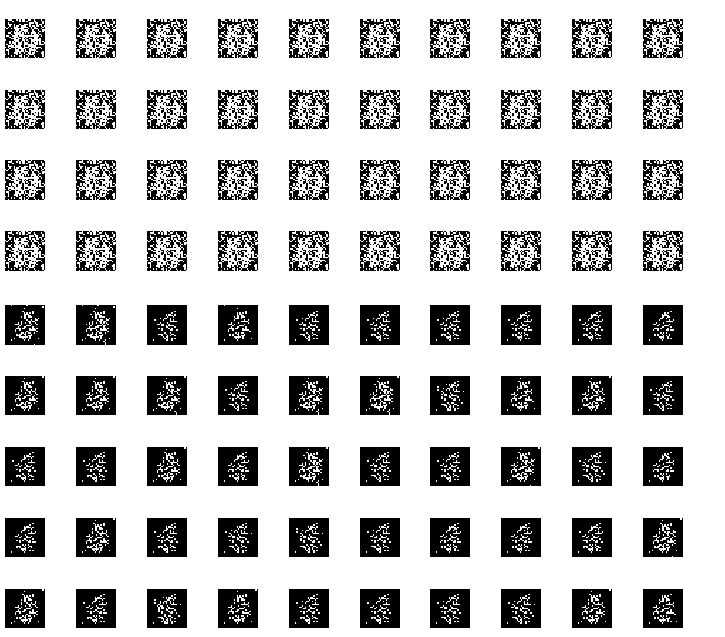
- Plotting the generated images
- A training method for GAN
- Loading and processing MNIST data
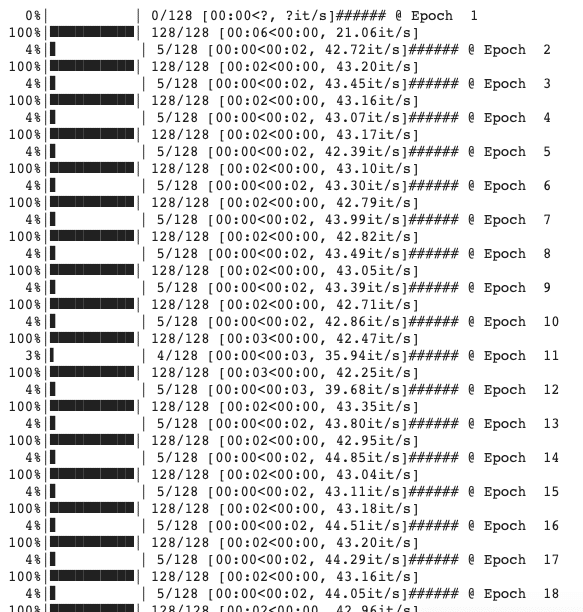
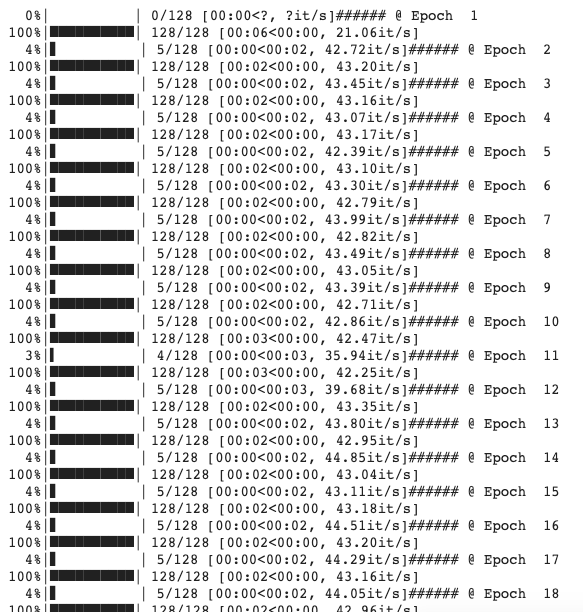
- Training The GAN
Spotted an error? Tell our editors. Read our editorial standards and corrections.
Selling to AI teams? Put your brand in front of the 5M+ people who read AIM every month. Plan a campaign