
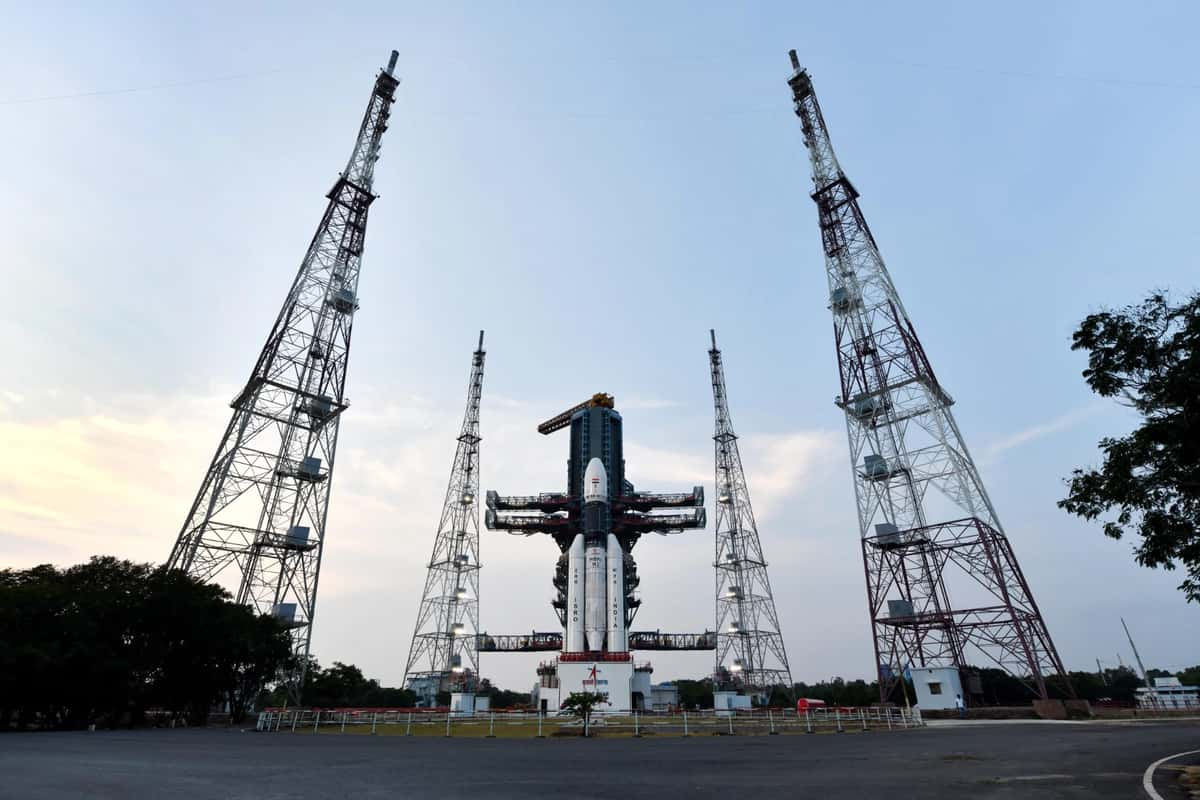
The Indian government has decided to levy no Goods & Services Tax (GST) on startups in the satellite launching space, Finance Minister Nirmala Sitharaman announced during the 50th meeting of the GST Council. “It has been decided that GST exemption on satellite launch services supplied by ISRO, Antrix Corporation Limited and New Space India Limited (NSIL) may be extended to such services supplied by organisations in the private sector also to encourage start ups,” said an official press release.
The same has been welcomed by different players in the Indian spacetech sector because it is going to open the doors for both foreign and domestic investments. “The satellite launch segment has become a key focus area for Indian startups and SMEs, driving innovation and seeking new revenue opportunities.
“According to the ISpA-EY report, the space launch segment is expected to grow rapidly by 2025, with a CAGR of 13%, which will be fueled by increased private participation, advanced technology adoption, and cost-effective launch services,” Lt Gen AK Bhatt (retd.), director general, Indian Space Association (ISpA) told AIM.
He believes this step will give a financial relief to the players and will incentivise growth of this nascent sector. “This was one of our pre-budget recommendations and we believe it will help enable the growth of indigenous launch capabilities and ensure a level playing field for all,” he said.
The recent development suggests that the government has acknowledged the role private players will play to help India achieve its ambitious goals of capturing 10% of the global space economy by 2030. Currently, India accounts for just 2% of the USD 44 billion global space economy, trailing behind the likes of the US and China.
To boost the sector and drive investments in the sector, the government is planning to allow 100% foreign direct investment (FDI) between 49-100% in three areas — sub-system manufacturing, launch vehicle operations, and satellite operations and establishments.
- Cracking YC: A Guide for AI Startups
- This AI Startup Wants to Fix Your Code Bugs. And Got YC Backing for It
- India will Have 100 AI Unicorns in the Next Decade
- From Humanoid Robots to Telecom Trials, 12 Major Announcements at NVIDIA GTC Berlin 2026
- Anyone Can Make a Robot Move, Few Can Make It Stop
- After ISRO’s PSLV Failure, TakeMe2Space Looks to SpaceX for Reliable Launch