
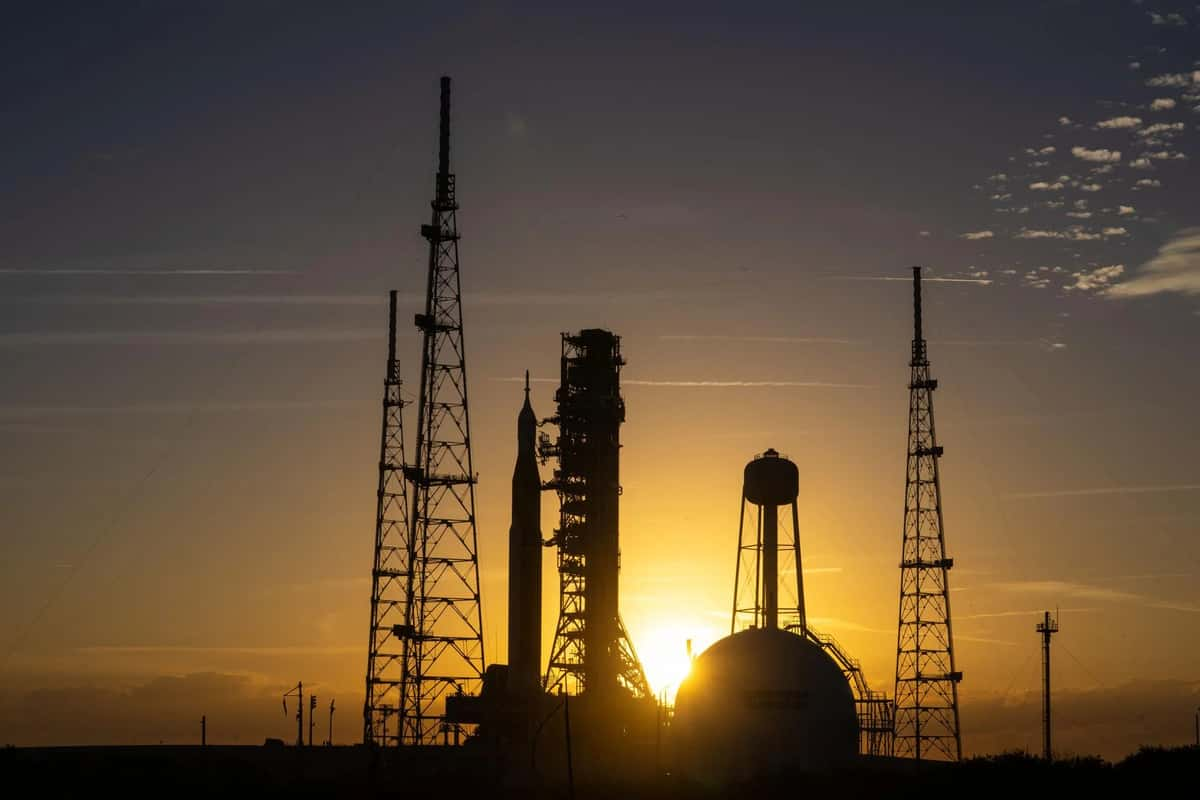

On April 1, the ground at Kennedy Space Center on Florida’s Merritt Island trembled as NASA’s launch systems roared to life, leaving remnants of a fire in the evening sky. Inside the Orion spacecraft, four astronauts sat strapped in as the rocket cleared the tower, carrying them farther than any human has travelled in more than five decades. Outside their window, Earth began to shrink, fading slowly into a pale blue dot.
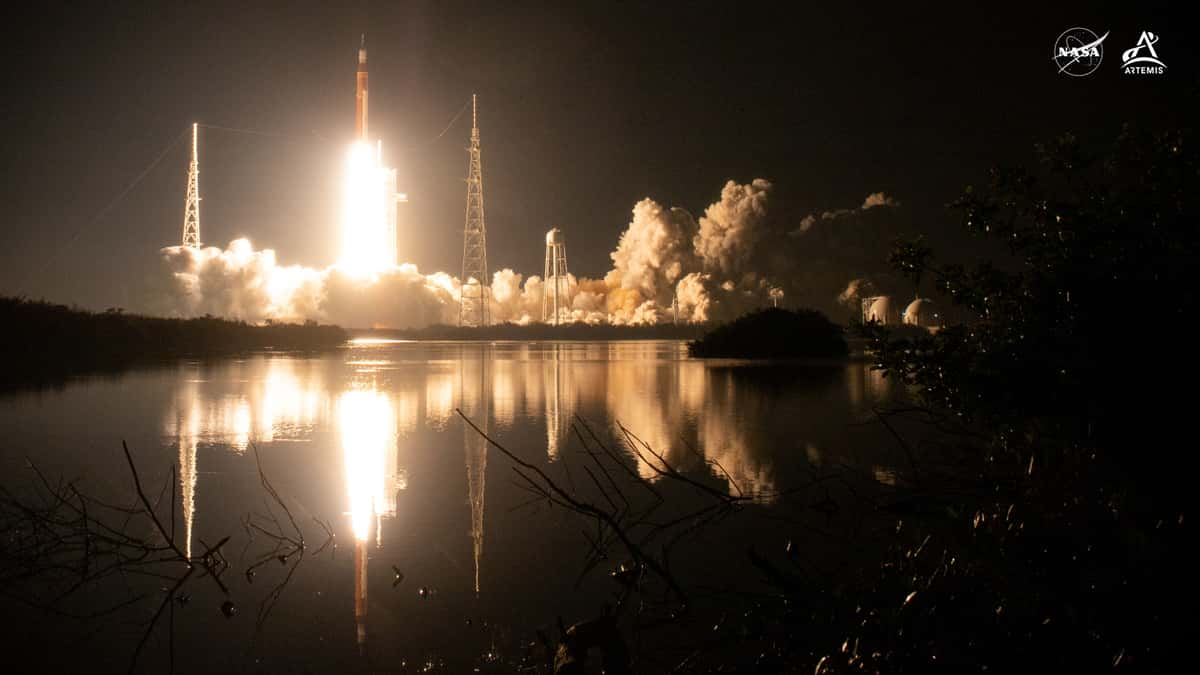
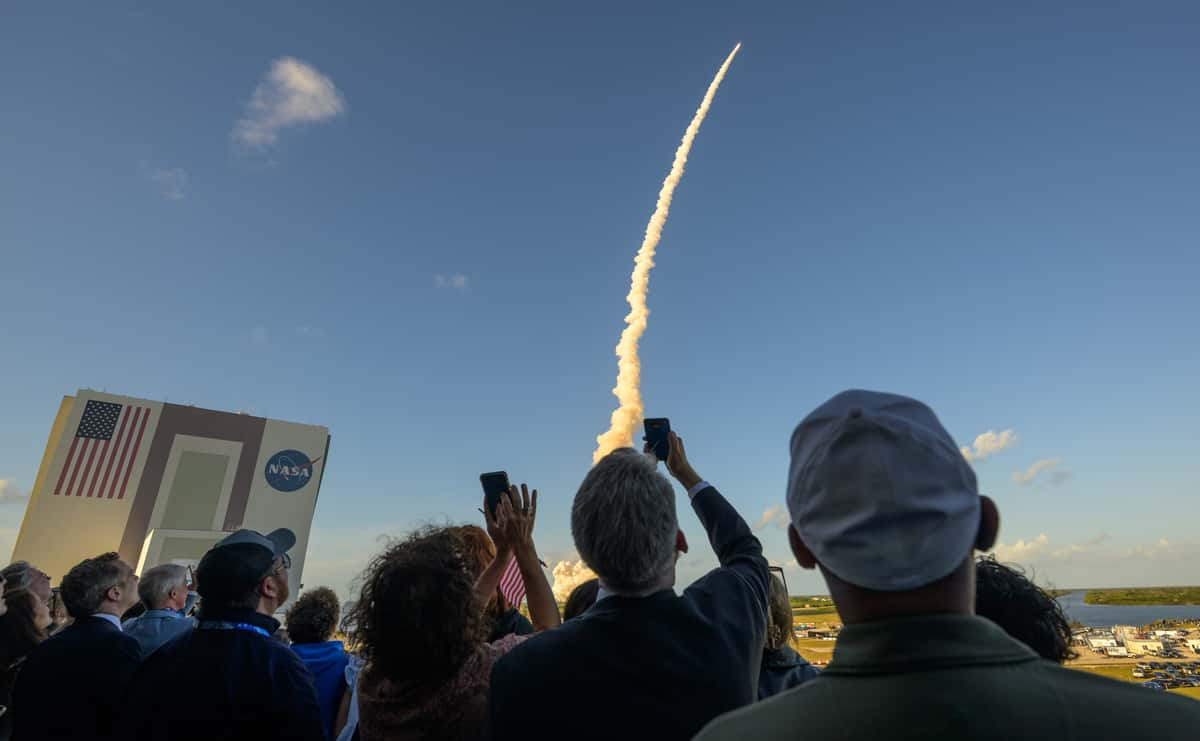
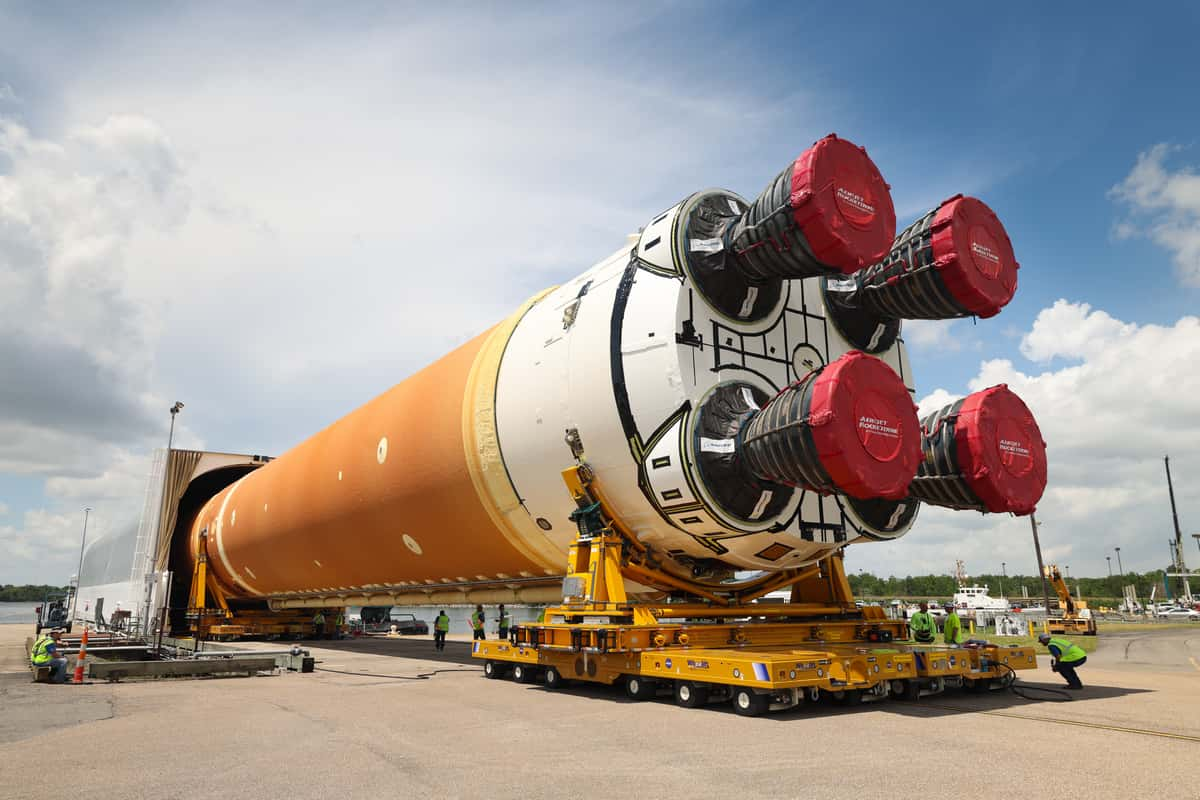
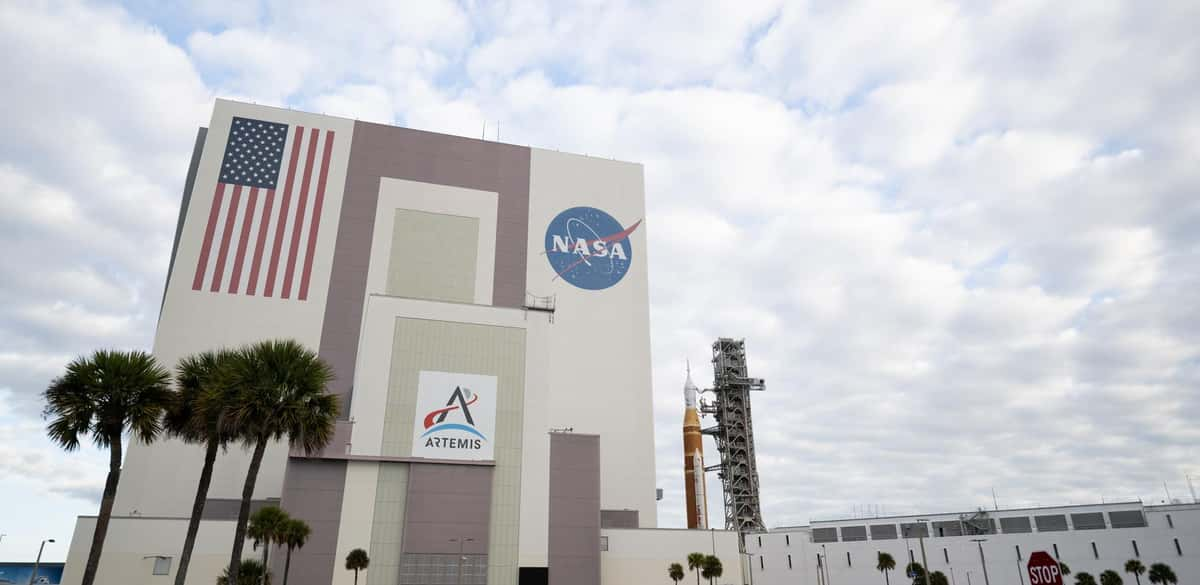
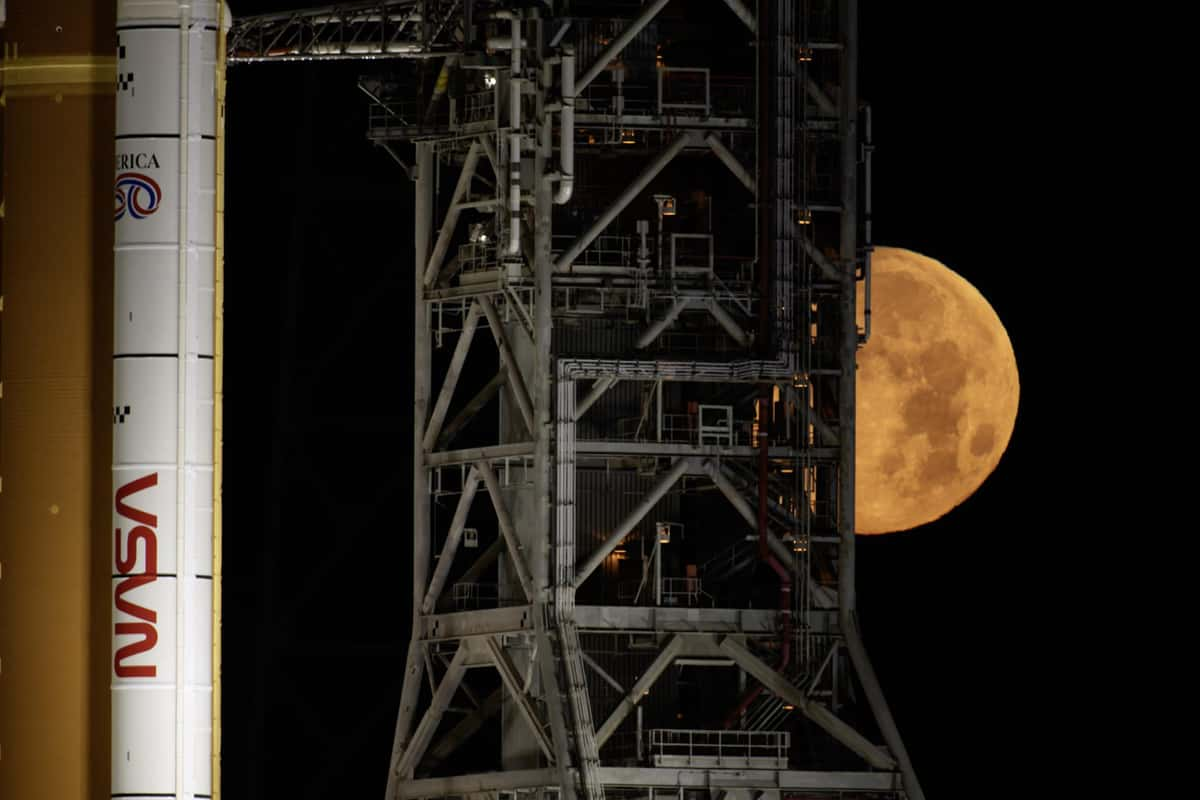
This was Artemis II—the first crewed mission to leave low Earth orbit since the Apollo programme ended in 1972. Unlike Apollo, however, this mission will not attempt a lunar landing. Instead, it will send four astronauts on a 10-day journey around the Moon and back, testing the spacecraft, systems, and routines that future missions will depend on.
Liftoff.
The Artemis II mission launched from @NASAKennedy at 6:35pm ET (2235 UTC), propelling four astronauts on a journey around the Moon.
Artemis II will pave the way for future Moon landings, as well as the next giant leap — astronauts on Mars. pic.twitter.com/ENQA4RTqAc
— NASA (@NASA) April 1, 2026
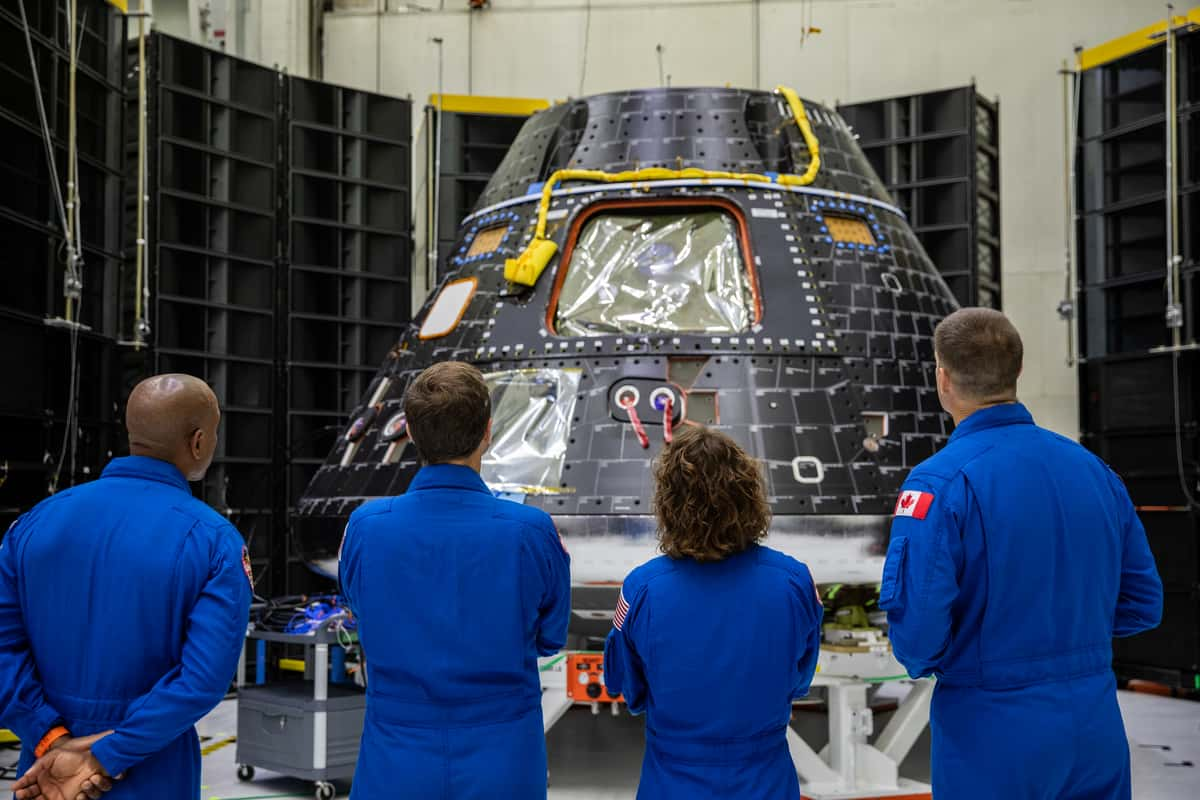
The crew, Reid Wiseman, Victor Glover, Christina Koch, and Jeremy Hansen, represent a broader shift towards international and inclusive participation in spaceflight. Koch is the first woman assigned to a lunar mission, Glover the first Black astronaut on such a trajectory, and Hansen the first Canadian to travel beyond low Earth orbit.
Early Mission Operations
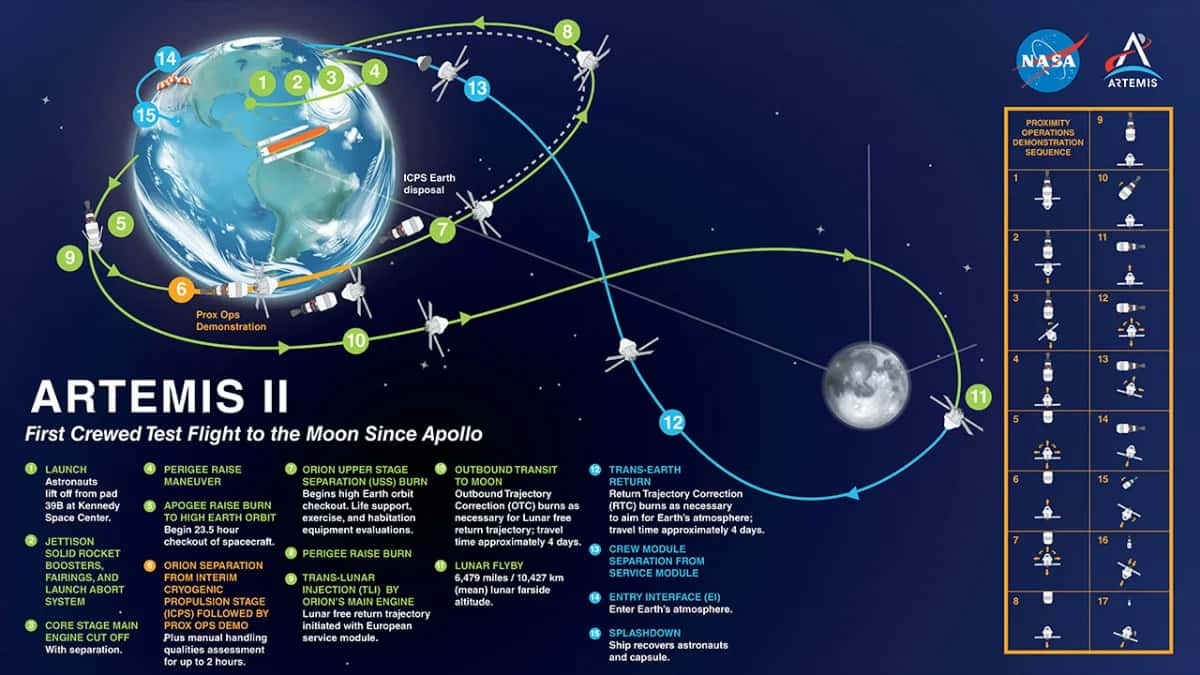
Minutes after launch, Orion separated from the upper stage of the rocket and entered Earth orbit. The crew then began the “proximity operations” test, where they manually piloted the spacecraft in space by manoeuvring around a discarded rocket stage to simulate future docking scenarios.
The Orion spacecraft successfully separated from the upper stage of the rocket, and the "proximity operations" test is underway. The Artemis II astronauts are manually piloting Orion similarly to how they would if they were docking with another spacecraft. pic.twitter.com/RWW4RSyaoq
— NASA (@NASA) April 2, 2026
Soon after came the most critical step.
Within the first day, Orion was scheduled to execute a translunar injection burn—an engine firing that would push the spacecraft out of Earth orbit and onto a path towards the Moon. Once completed, the mission would be fully committed, with little room for reversal.
This phase depends on the European Service Module, developed by Airbus, which provides power, propulsion, and life support for the crew. Mission control proceeds only after confirming that all major systems are stable.
Between Earth and the Moon
After leaving Earth’s orbit, Orion will spend several days travelling towards the Moon. The spacecraft followed a free-return trajectory, allowing it to loop around the Moon and return to Earth without requiring major propulsion changes.
As Orion moves deeper into space, each day will follow a planned schedule that balances engineering tasks with human needs. The astronauts will test the life-support systems, including air circulation, carbon dioxide removal, and water supply, while also exercising to maintain muscle strength in microgravity.
The spacecraft itself has to be reconfigured for life in microgravity, where bulky launch suits will be removed, and equipment rearranged to turn a compact capsule into a working and living space for four astronauts over the next 10 days.
Artemis II is, by design, a test flight. Because Orion had never flown with a crew before, every system check becomes part of a larger validation process, NASA officials noted.
Trajectory correction burns will refine Orion’s path, ensuring it stays on course for the lunar flyby, while astronauts conduct medical demonstrations, test emergency communication systems, and rehearse procedures for later stages of the mission.
The timing of the mission also presents a rare opportunity. During the journey, the crew expects to witness a solar eclipse from deep space and to observe the Sun’s corona from a vantage point few have ever experienced.
Even as Artemis II moves through deep space, orbital debris remains one of the most closely monitored risks in modern spaceflight. In low Earth orbit, where the mission passes shortly after launch, tens of thousands of tracked objects and millions of smaller fragments travel at extreme speeds. At velocities of nearly 22,000 miles per hour (35,406 kmph), even a tiny fragment can cause damage comparable to a high-speed collision on Earth, according to The New York Times.
The concern sharpened days before launch, when a SpaceX Starlink satellite broke apart in orbit, creating multiple fragments in what tracking firms described as a debris event. While both SpaceX and NASA confirmed that the incident posed no immediate risk to Artemis II, it renewed concerns about congestion in Earth’s orbit and the growing challenge of managing satellite constellations.
For Artemis II, however, the exposure to this risk is brief. The spacecraft passes through the densest debris region early in its journey before moving into cislunar space, where far fewer human-made objects exist. Its trajectory around the Moon also avoids low lunar orbit, further reducing collision probability.
Why Artemis II is Not Landing on the Moon
As the spacecraft approaches the Moon’s gravitational influence, preparation intensifies. The crew will practise putting on and pressurising their spacesuits, designed to sustain a crew member for up to six days in the event of cabin depressurisation.
At the same time, astronauts will also study lunar geography, preparing to capture specific regions during the flyby. Lighting conditions on the Moon would depend entirely on timing, forcing the crew to adapt in real time.
By the fourth day, the Moon will begin to dominate the view as Orion continues its approach, reaching its closest distance around flight day six. At this point, the spacecraft will be within roughly 4,000 to 6,000 miles (6,437–9,656 km) of the lunar surface—far enough to set a new record for farthest distance travelled by humans, surpassing the 1970 Apollo 13 benchmark of 248,655 miles (400,171 km) away.
The flyby will take Orion around the far side of the Moon, temporarily cutting off communication with Earth for 30 to 50 minutes. During this phase, the crew will operate independently, testing the spacecraft’s autonomy while recording observations and capturing images of the lunar surface.
Although the mission does not include a landing, it remains strategically important. Cameras and instruments will capture data and imagery that could inform future missions, particularly those targeting the Moon’s south pole. Low-angle lights will create long shadows that reveal ridges and crater depth, while overhead light flattens the terrain but allows clearer imaging of surface details.

The Way Back Home
After exiting the Moon’s gravitational pull on day 7, Orion will begin its journey back to Earth. The astronauts will prepare for re-entry, speak with ground scientists, and test radiation protection strategies by building a temporary shelter inside the spacecraft. They will also evaluate manual piloting capabilities, guiding Orion through controlled manoeuvres to assess handling precision.
In the second half of this day, the Orion engine will fire again for the first of three return trajectory correction burns that will adjust Orion’s path home.
On the final day, the spacecraft will reset for descent. The crew returns to their suits, and the crew module separates from the service module, exposing the heat shield required for re-entry.
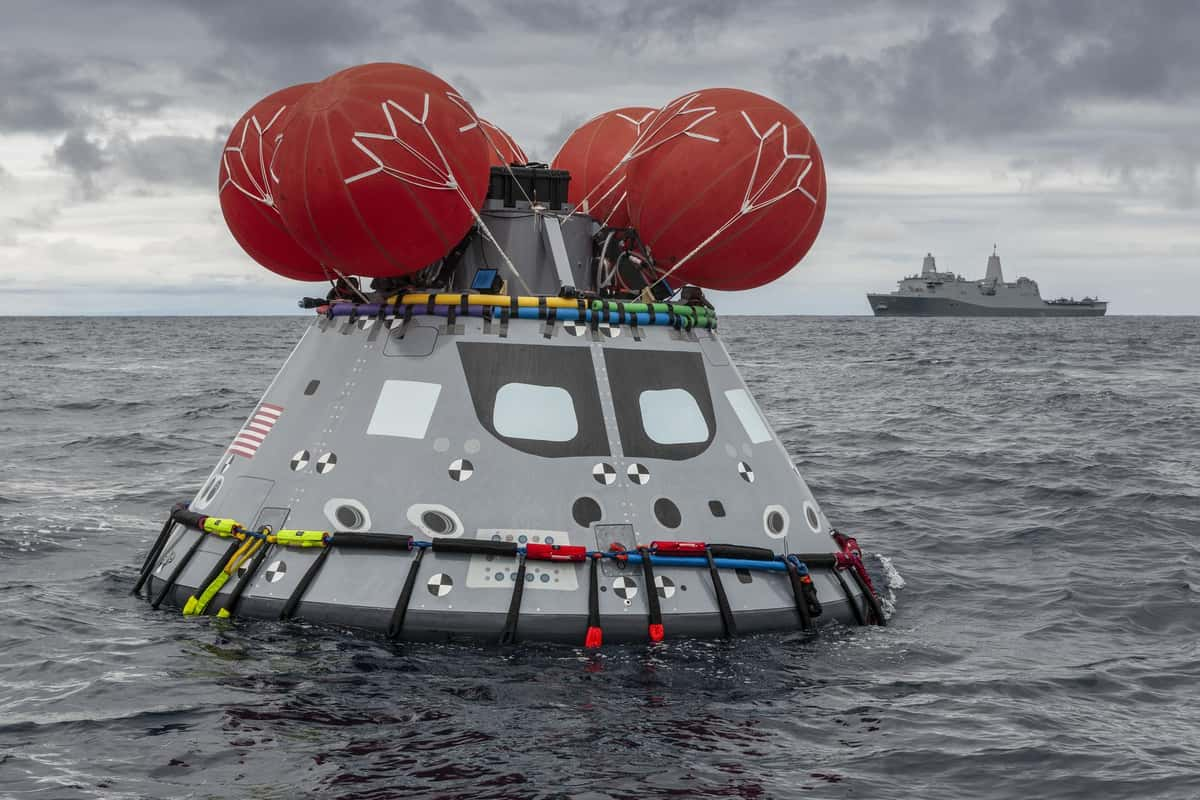
As Orion enters Earth’s atmosphere, temperatures outside will reach nearly 3,000℉. Parachutes deploy in sequence, slowing the capsule before it splashes down in the Pacific Ocean, where recovery teams await.
This phase serves as a critical test for future missions, as any failure in re-entry systems would compromise the safety of future crews.
Why Artemis II Matters
Artemis II is not designed as a standalone achievement. It is part of a broader NASA effort to establish a sustained human presence on and around the Moon.
The mission builds directly on Artemis I and will inform Artemis III, which aims to land astronauts on the lunar surface later this decade. It also sets the stage for longer-term ambitions, including missions to Mars.
More broadly, Artemis II reflects a renewed global focus on space exploration. With increasing competition and collaboration, such missions signal a shift from short-term exploration towards long-term infrastructure in space.
- From Humanoid Robots to Telecom Trials, 12 Major Announcements at NVIDIA GTC Berlin 2026
- Anyone Can Make a Robot Move, Few Can Make It Stop
- After ISRO’s PSLV Failure, TakeMe2Space Looks to SpaceX for Reliable Launch
- Why AI Agents are the Next Frontier in Quantum Security
- Physical AI Squeezes Labour Market, And Low-Skilled Immigrant Jobs May Be First to Fall
- Rocket Math Isn’t Mathing: Why India’s Space Launches are Expensive