Key takeaways
- Facial recognition technology is rapidly integrating into everyday life and smartphone security features.
- Governments are increasingly adopting facial recognition for surveillance, raising privacy concerns.
- The US Federal Bureau of Investigation employs advanced facial recognition technology for enhanced security measures.
- Recent advancements in facial recognition algorithms have significantly improved accuracy and efficiency.
- Ongoing research indicates potential for further enhancements as technology and datasets evolve.
Chinese Startup Yitu Is Pushing The Boundaries Of Facial Recognition
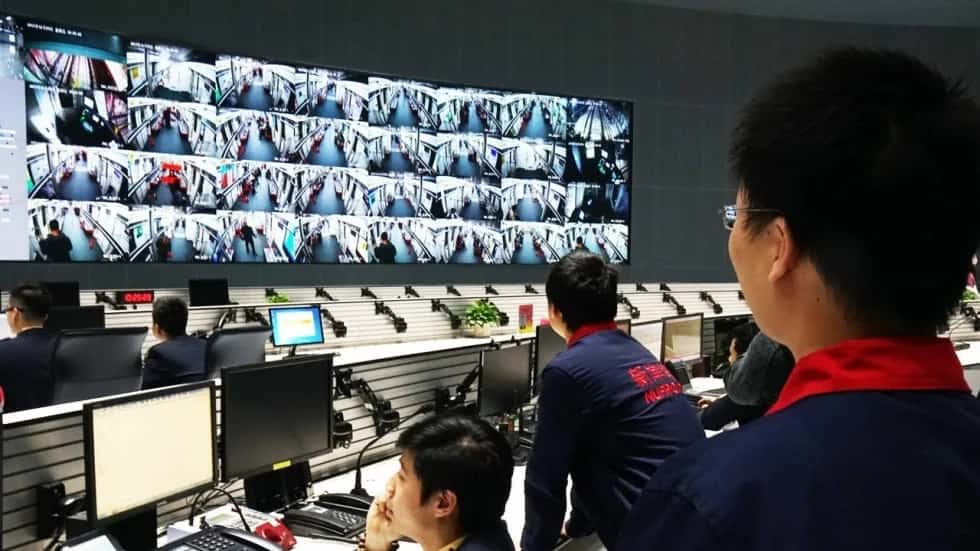
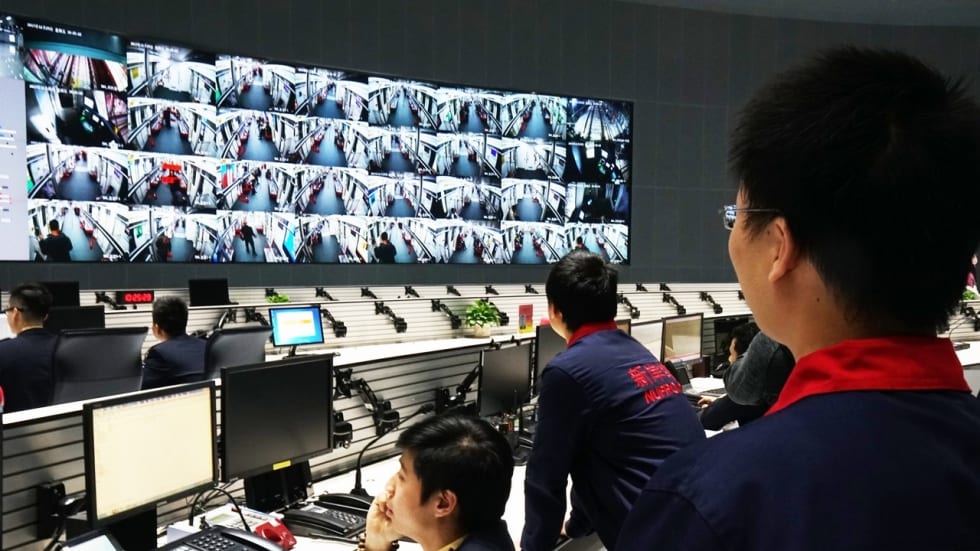
 Yitu is one of the most advanced facial recognition firms in the field, with their flagship product being the Yitu Dragonfly Eye. This is a computer vision-powered system developed for public surveillance. The standout is the Dragonfly Eye Generic Portrait Platform, which can be used for static and dynamic facial detection.
This technology is already in use by the Chinese government for the widespread surveillance of its population and has been applied to multiple security systems already. The platform can engage in face retrieval and real-time surveillance and also track passers-by. This is also due to its dataset of 1.8 billion individuals, sourced from the national database maintained by the Chinese government. The database continues to expand, as every citizen who visits the country has their picture added to it.
Bringing Down Crime Rate with AI-powered Surveillance 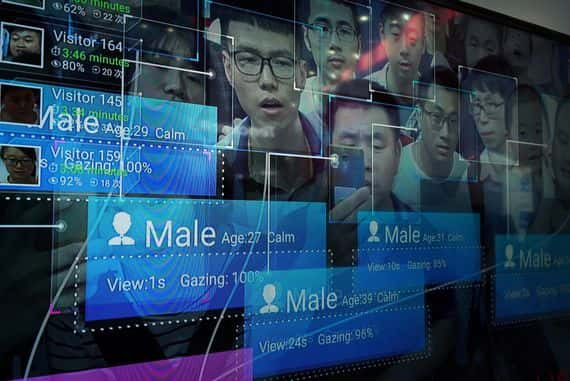
The system has been deployed in crowded areas such as residential districts, commercial zones, subway stations, airports, and customs. If an alarm module is included along with the system, anyone on the database’s blacklist will trigger an alarm if they enter any monitored areas. Moreover, it also claims to be able to recognise a face within 3 seconds, thus making it a suitable option for deployment in public areas.
This effectively means that any criminal suspects will be tracked using the technology, thus increasing the ability of the police to manage crime.
Yitu’s software is being used by over 20 public security departments in China, with an implementation in over 150 municipal public security systems. The software is also prepared for a wider rollout, namely in the new airport being constructed in Beijing. The technology is set to provide a safer customs experience for those utilizing the airport. Reportedly, the company has already tested its facial recognition technology at the existing airport.
The advancement of facial recognition technology might not only make the world a safer place to live in, but also enrich our everyday lives in other ways. For example, it can be used as a biometric measure to confirm identity in high-security situations, such as an ATM transaction. It can also be used to provide specialised services to individuals who have availed of them, such as VIP treatment in the hospitality sector. It also lays the groundwork for the seamless operation of the Internet of Things, due to its non-invasive method of confirming identity.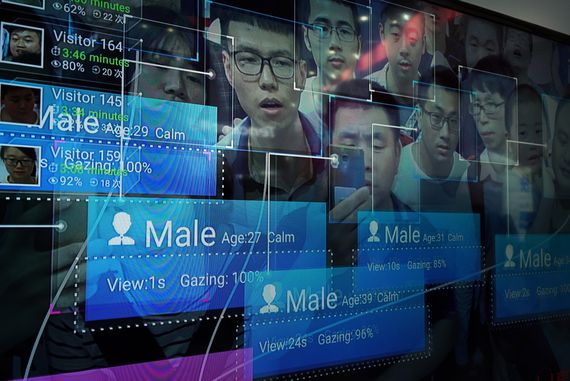
Spotted an error? Tell our editors. Read our editorial standards and corrections.