
Key takeaways
- Marketing mix models play a crucial role in evaluating the effectiveness of marketing investments for revenue growth.
- Data quality and relevance to specific KPIs are essential for building robust marketing mix models.
- One-size-fits-all models are inadequate for diverse marketing portfolios; regular adjustments are necessary.
- Many current marketing mix model solutions lack transparency in delivering measurable results for strategic planning.
 As marketers embrace omnichannel advertising to deliver a connected brand experience, marketing executives are spending hundreds of thousands of dollars to understand the types of marketing investments that are most likely to produce - viable, long-term revenue growth and profitability. Broadly speaking, marketing mix models evaluate the key components of the marketing plan, such as promotions and advertising by combining data from online and offline sources to present a clear guidance for an improved return on marketing investment.
However, data forms a crucial element to Marketing Mix Modeling – and it’s not just clean data but data that is specific to a KPI being analyzed, such as pricing, promotions, events, campaigns, macro-economic indicators and other salesforce drivers that can help is robust model build. Now, MMM have become the workhorse for enterprises and even SMB’s but marketers need to understand one model will not fit the entire portfolio of offerings they have. Given how MMM is an ongoing process, the models need to be reweighted on a regular basis.
Is Your Marketing Mix Modeling Platform Delivering Measurable Value?
Is your team or vendor able to deliver a marketing mix model that can lead to sustained, long-term sales growth and improved profitability? Are the simulated marketing variables delivering the right results and is it viable for marketers to implement the recommendations as part of their strategic planning activities? Most MMM solutions available in the market today do not allow any clear visibility into the link between ad spends, promotions and the measured KPI, leading to a black-box experience for consumers of these solutions.Rise Of Independent Vendors In Market Mix Model Landscape
There are several profiles of solution providers with offerings in this ever-growing landscape from large software-service providers, pure-play analytics services firms to traditional business consulting firms. Today, independent analytics vendors like Analytic Edge are at the vanguard of a new wave of companies that offer fully-featured domain-agnostic market mix modeling platforms and product suites. Analytic Edge has revolutionized the marketing mix analytics by enabling clients with features such as data onboarding, built-in marketing plan templates and “What If Scenario” simulation analyses that enable real-time dissemination of insights through an easy-to-use technology platform. Another key factor is the cost saving advantage offered by Analytic Edge’s Demand Drivers platform which combines data from disparate sources to develop an end-to-end analytical solution and helps organizations achieve their business goals. While the primary objective of MMM is to quantify the link between ad spending, promotions and any KPI being measured, another objective is to maximize KPIs by forecasting the right media mix for promotions. But as marketers and CMOs, how does one actually trust the validity of MMM given the complexities involved in the underlying data science approach. This is where Analytic Edge’s Demand Drivers platform differs – instead of following the conventional black box approach, marketers get visibility into every step of MM model development.Analytic Edge’s Demand Drivers Resolves Key Pain Points
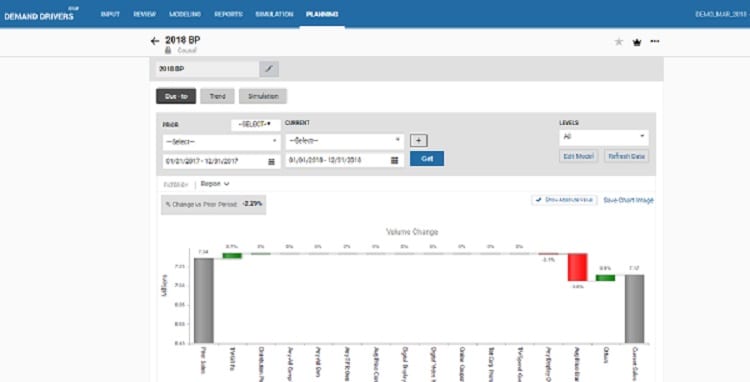
- Time taken for data collection and preparation is reduced from 4-6 weeks to 1 week
- Time taken to secure a data review sign-off from multiple stakeholders before proceeding with the analysis is reduced from 2 weeks to two days
- Marketers with only a basic knowledge of data science can also build models, i.e., DIY
- Ability to continuously monitor effectiveness of marketing elements and take corrective action to achieve business targets
- Demand Drivers helps clients develop MMM for a larger portfolio of KPI’s at a fraction of current costs and with reduced reliance on vendors
Here’s How Analytic Edge’s Demand Drivers Platform Differs From The Standard Marketing Mix Modeling Platforms
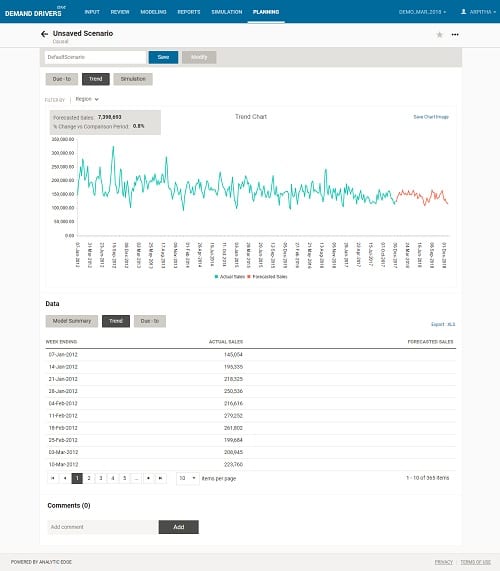
- Automated data ingestion with in-built data Quality Control process
- Add incremental data periodically and refresh MMM models seamlessly, if MMM developed using Demand Drivers
- Ability to add third-party models. Often, clients develop their own MMM due to in-house constraints and don’t intend to deviate from the norms. Demand Drivers can use those models and configure the planning module
- Ability to forecast not just the response KPI using causal regression but use univariate forecasting techniques to forecast all drivers and use those values to forecast response KPI
Spotted an error? Tell our editors. Read our editorial standards and corrections.