
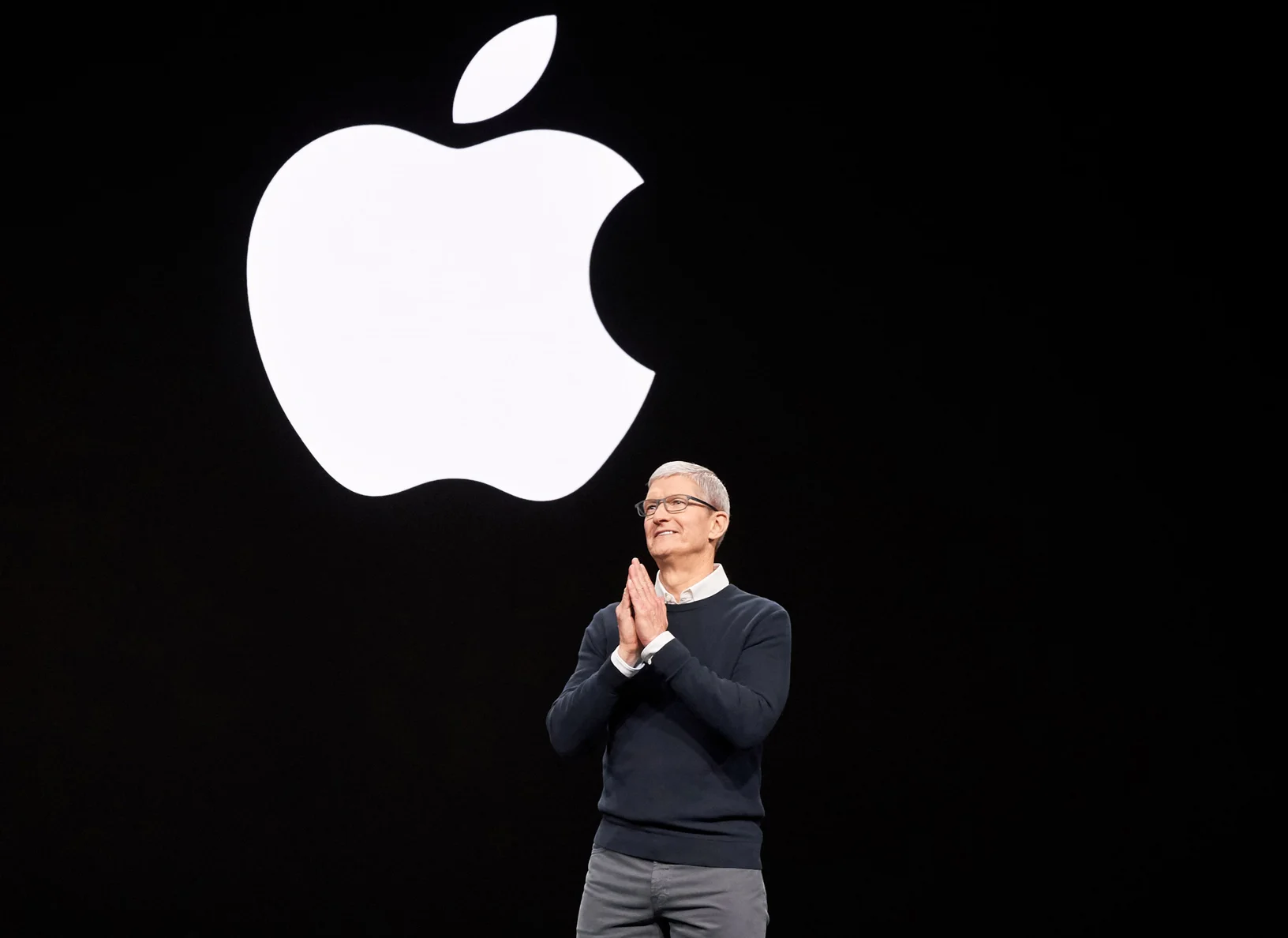
Apple reported a 16% jump in revenue in its latest quarterly earnings, its strongest growth since 2021, following the success of the iPhone 17. The results, released on January 29, exceeded Wall Street expectations.
“Apple is proud to report a remarkable, record-breaking quarter, with revenue of $143.8 billion,” chief executive Tim Cook said in a statement. “iPhone had its best-ever quarter, driven by unprecedented demand, with all-time records across every geographic segment.”
iPhone revenue surged 23% year-on-year, fuelled by strong demand for the new iPhone 17 line-up, which debuted in September. The iPhone 17 and 17 Pro in particular have reinvigorated demand, especially in China, where sales had previously lagged expectations. Sales also rose sharply across Europe, the Americas and Japan.
“It was the best iPhone quarter in history in Greater China,” Cook said. “Our installed base reached an all-time high in both Greater China and mainland China.”
Not all parts of the business performed as strongly. Revenue from wearables and accessories, including the Apple Watch and AirPods, fell by around 3%, while Mac sales declined by just over 7%.
Overall revenue far exceeded analysts’ $138.4 billion forecast. Earnings per share came in at $2.84, beating expectations of $2.68. In the same quarter last year, Apple reported revenue of $124.3 billion, typically its strongest period due to holiday shopping.
China was a standout, with regional sales hitting 38%. Speaking to investors, Cook said the growth was largely driven by iPhone sales, which hit an all-time high globally in the final three months of the year.
Worldwide, Apple’s active installed base—including iPhones, Macs and other devices—reached 2.5 billion, up from 2.35 billion from a year ago.
Looking ahead, Apple expects revenue in its fiscal second quarter to grow between 13% and 16%, ahead of analysts’ expectations of around 10%, according to the London Stock Exchange Group. The company forecast operating expenses of $18.4 billion to $18.7 billion, slightly higher than in the first quarter.
However, the outlook includes processor supply constraints affecting iPhone production, Cook told analysts. Apple’s chips are manufactured by Taiwan Semiconductor Manufacturing Company.
“We’re currently constrained, and at this point it’s difficult to predict when supply and demand will balance,” he said, adding that reduced flexibility in the supply chain is partly due to stronger-than-expected demand.
Apple forecast a gross margin of 48% to 49% for the second quarter. In the first quarter, gross margin stood at 48.2%, above both company guidance and analyst expectations, suggesting higher costs for memory chips and commodities such as gold have yet to significantly impact results.
Cook warned that rising memory prices could weigh more heavily on margins beyond the second quarter, saying the company would consider “a range of options” to manage the pressure.
Separately, Apple is widely expected to launch its first foldable iPhone in 2026, bringing it into line with rivals such as Samsung, Motorola and Google.
Investors have also been closely watching Apple’s strategy on artificial intelligence. While iPhone sales remain robust, concerns persist that the company is lagging behind competitors in AI. Earlier this month, Apple announced that a rebooted version of Siri will be powered by Google’s Gemini AI models. Cook said a “more personalised Siri” would launch later this year, unlocking new user experiences.
The strong results follow a record $102.5 billion in revenue reported last quarter and come shortly after Apple became the first company to reach a $4 trillion valuation. While its shares have fallen about 10% since peaking in early December, the stock remains up year on year.

Your reaction
Discussion
What's your take on this story?
No comments yet — be the first to share your view.