
5 min
[caption id="attachment_15286" align="alignnone" width="2000"]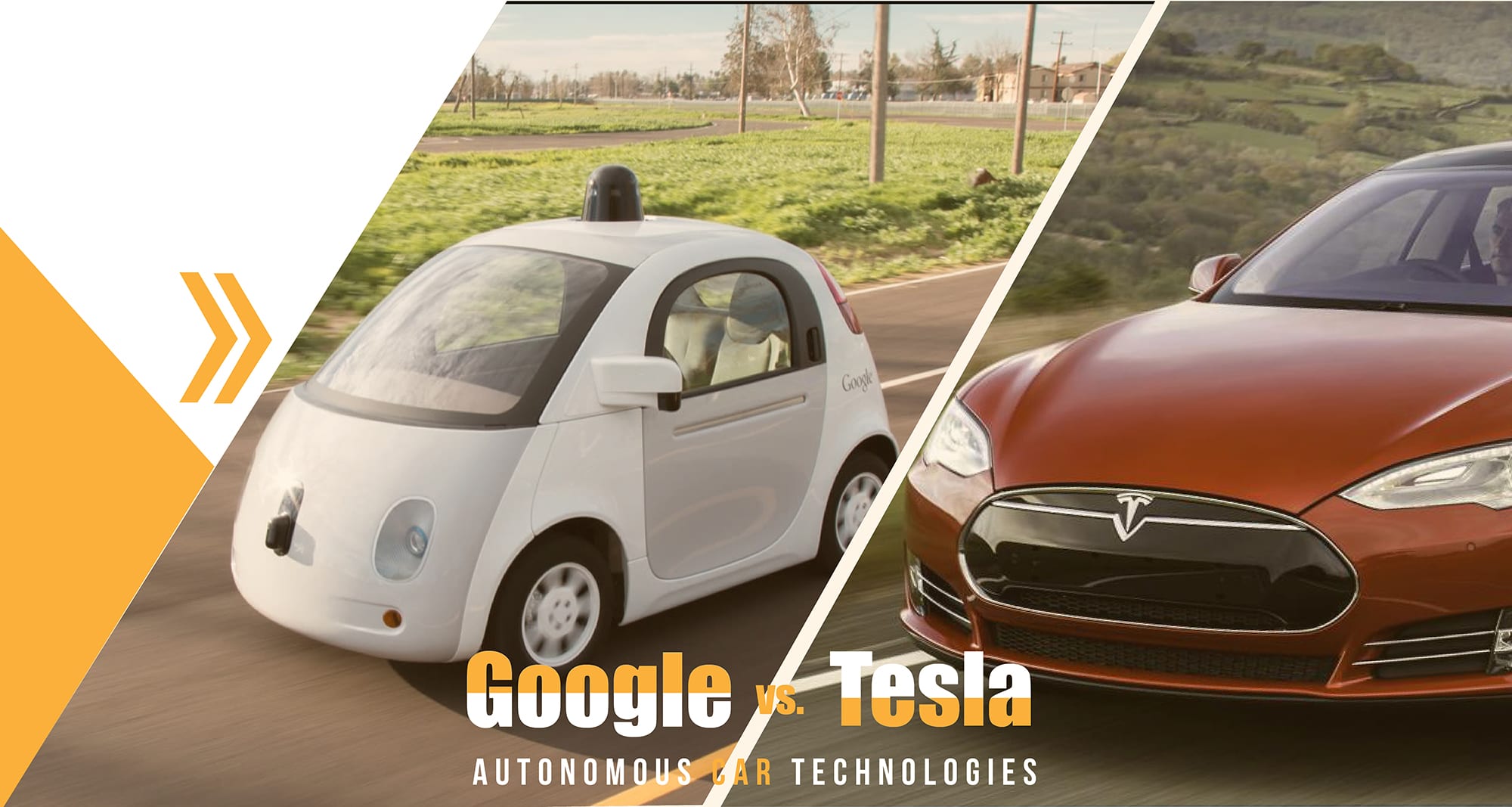 Google vs Tesla - autonomous vehicle comparison[/caption]
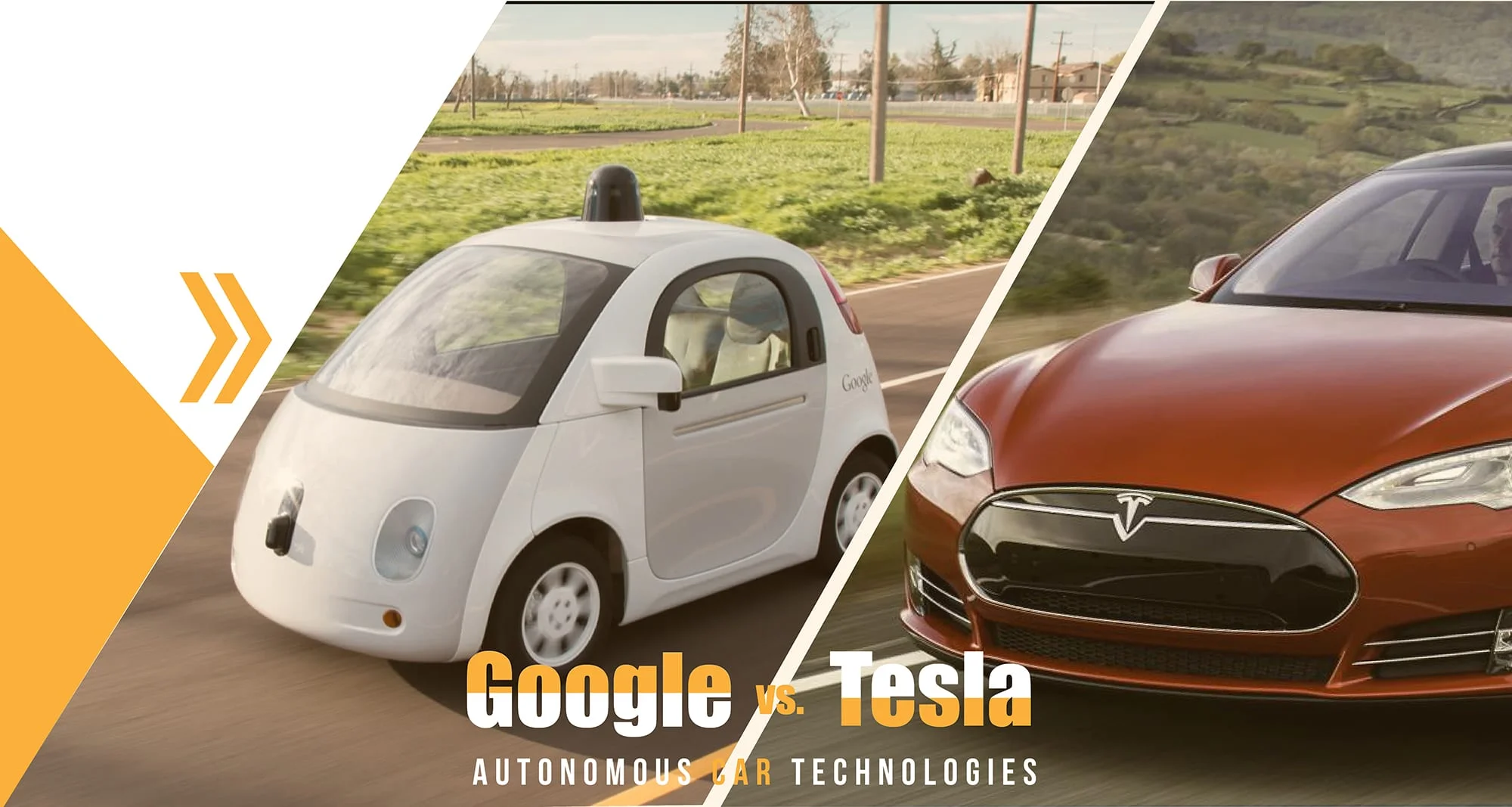
In the ride towards a driverless future, an area dominated by Google and Tesla, there has been much speculation as to how the two competitors stack vis-a-vis the approach towards technology, control free vs autopilot, timelines and the potential market for it. While Mountain View giant Google continues to make headway in developing an autonomous car system, Elon Musk backed Tesla has already introduced Autopilot technology in the past decade.
[caption id="attachment_15282" align="alignleft" width="300"]
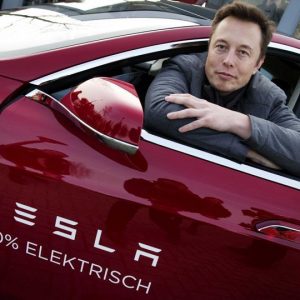 Elon Musk, CEO of Tesla[/caption]
Besides, here’s where Tesla gains an upper hand. It has successfully launched semi-autonomous vehicles to the Indian market, named Model S and Model X. Meanwhile, Google’s Self-Driving Car (SDC) has been in development since the last decade.Google is aiming for a car that can work without a driver while Tesla’s more autopilot. Tesla is pegged to be low-cost while LIDAR had spiked the cost of Google car. However, news reports suggest that Google has made efforts to bring the cost down by 90%. AIM takes a look at how the two companies fare in their approach towards technology.
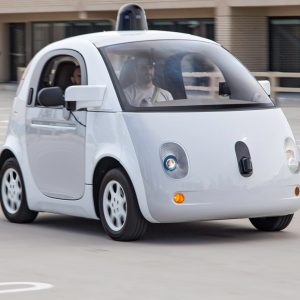 Google SDC[/caption]
Google embraced LIDAR technology that lends human based perception: Autonomous cars must integrate technology that provides them the ability to see the road ahead and identify obstacles. First approach entails the use of a system of cameras, while, the second approach involves LIDAR technology, a radar that reads reflected laser light. Google embraced the use of LIDAR technology, now a defacto for autonomous vehicles to form a 3D model of the world around the car, thus determining size and distance of all things around the car in any circumstance or situation.
However, LIDAR has its own challenges:
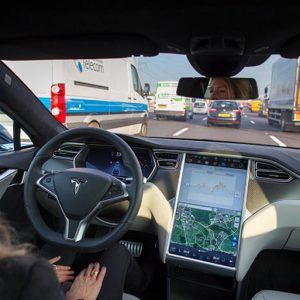 Tesla's Autopilot[/caption]
“Autopilot is what we have in airplanes. For example, we use the same term that is in airplanes where there is still an expectation that there will be a pilot. So, the onus is on the pilot to make sure that the autopilot is doing the right thing,” shared Elon Musk, CEO, Tesla.
Furthermore, Google’s test vehicle has refrained from integrating every aspect of interface between driver and vehicle, while Tesla still installs the familiar steering wheel, brake, and gas “go” pedals. Google is applying a binary solution to the problem, while Tesla’s is more analog.
Another key point is that Tesla is driving all its efforts towards introducing more advanced autonomous features to eventually reach full autonomy in their vehicles. Google is waiting for the technology to mature, before it transitions to completely autonomous driving. In other words, Tesla has built a car and is gradually working its way towards developing an autonomous car system. Google famously built the autonomous car software which experts suggest will be open sourced soon.
Besides, Google racked up 1.5 million autonomous miles last six years as compared to Tesla’s l47 millin miles in 6 months. Google makes it data public and also releases its cumulative miles driven on autonomous and manual modes and accident reports while Tesla is more guarded about its test outcomes
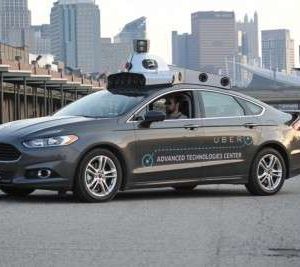 Tech company Uber brings driverless cars to consumers in the US[/caption]
Google intends to introduce driverless vehicles by the end of 2020. However, Google’s completely hands-off approach is likely a taste of a slightly more distant reality.
Moreover, Tesla has not really ruled out full driverless capability one day. The firm is simply focusing on its driver-managed Autopilot project for the moment. Musk states, “All cars will go fully autonomous in the long term. It would be quite unusual to see cars that don’t have full autonomy within 15-20 years.”
In other words, Tesla’s Autopilot project could be an interim step for the firm before fully adapting to Google’s driverless future. However, one thing is for certain -- the near future will be dominated by semi and even fully autonomous cars.
Google vs Tesla - autonomous vehicle comparison[/caption]
In the ride towards a driverless future, an area dominated by Google and Tesla, there has been much speculation as to how the two competitors stack vis-a-vis the approach towards technology, control free vs autopilot, timelines and the potential market for it. While Mountain View giant Google continues to make headway in developing an autonomous car system, Elon Musk backed Tesla has already introduced Autopilot technology in the past decade.
[caption id="attachment_15282" align="alignleft" width="300"] Elon Musk, CEO of Tesla[/caption]
Besides, here’s where Tesla gains an upper hand. It has successfully launched semi-autonomous vehicles to the Indian market, named Model S and Model X. Meanwhile, Google’s Self-Driving Car (SDC) has been in development since the last decade.Google is aiming for a car that can work without a driver while Tesla’s more autopilot. Tesla is pegged to be low-cost while LIDAR had spiked the cost of Google car. However, news reports suggest that Google has made efforts to bring the cost down by 90%. AIM takes a look at how the two companies fare in their approach towards technology.
Google vs Tesla from a tech standpoint
Both companies have taken a different road to developing fully autonomous vehicles though their deadline remains the same, 2020. The differences stem not only from a technological standpoint, but also in terms of fundamental philosophies that govern the behaviour of fully autonomous cars.Google and Tesla differ from each other in the approach they take towards building autonomous cars -- choice of computer vision technology; and human car control, or lack thereof. [caption id="attachment_15283" align="alignright" width="300"] Google SDC[/caption]
Google embraced LIDAR technology that lends human based perception: Autonomous cars must integrate technology that provides them the ability to see the road ahead and identify obstacles. First approach entails the use of a system of cameras, while, the second approach involves LIDAR technology, a radar that reads reflected laser light. Google embraced the use of LIDAR technology, now a defacto for autonomous vehicles to form a 3D model of the world around the car, thus determining size and distance of all things around the car in any circumstance or situation.
However, LIDAR has its own challenges:
- LIDAR is expensive and it doesn’t offer a 360 degree view
- The technology proves complicated with moving parts
- The 3D model of the world appears in low-resolution
- It has relatively modest ranges of only up to 100 meters
Google vs Tesla in car control technology
Autonomous vehicles can have two different end points, they can either be fully autonomous driverless cars, or they can function as driver-managed autopilot-enabled cars. Google SDC is a good example of driverless cars, while Tesla model S exemplifies the latter class. The former class feature cars that disallow any direct human control whatsoever, while the latter uses an aviation-inspired autopilot paradigm. [caption id="attachment_15284" align="alignleft" width="300"] Tesla's Autopilot[/caption]
“Autopilot is what we have in airplanes. For example, we use the same term that is in airplanes where there is still an expectation that there will be a pilot. So, the onus is on the pilot to make sure that the autopilot is doing the right thing,” shared Elon Musk, CEO, Tesla.
Furthermore, Google’s test vehicle has refrained from integrating every aspect of interface between driver and vehicle, while Tesla still installs the familiar steering wheel, brake, and gas “go” pedals. Google is applying a binary solution to the problem, while Tesla’s is more analog.
Another key point is that Tesla is driving all its efforts towards introducing more advanced autonomous features to eventually reach full autonomy in their vehicles. Google is waiting for the technology to mature, before it transitions to completely autonomous driving. In other words, Tesla has built a car and is gradually working its way towards developing an autonomous car system. Google famously built the autonomous car software which experts suggest will be open sourced soon.
Besides, Google racked up 1.5 million autonomous miles last six years as compared to Tesla’s l47 millin miles in 6 months. Google makes it data public and also releases its cumulative miles driven on autonomous and manual modes and accident reports while Tesla is more guarded about its test outcomes
Key Insights
[caption id="attachment_15285" align="alignright" width="300"] Tech company Uber brings driverless cars to consumers in the US[/caption]
Google intends to introduce driverless vehicles by the end of 2020. However, Google’s completely hands-off approach is likely a taste of a slightly more distant reality.
Moreover, Tesla has not really ruled out full driverless capability one day. The firm is simply focusing on its driver-managed Autopilot project for the moment. Musk states, “All cars will go fully autonomous in the long term. It would be quite unusual to see cars that don’t have full autonomy within 15-20 years.”
In other words, Tesla’s Autopilot project could be an interim step for the firm before fully adapting to Google’s driverless future. However, one thing is for certain -- the near future will be dominated by semi and even fully autonomous cars.

Your reaction
Discussion
What's your take on this story?
No comments yet — be the first to share your view.