

As AI becomes embedded in global infrastructure, a relatively small group of companies now commands disproportionate influence over how AI is built, financed, and deployed. These startups operate across foundational models, enterprise data platforms, chips, robotics, defence, energy, and life sciences. Their strategic choices increasingly define global technical standards, influence regulatory frameworks, and redirect capital flows across markets.
Although India’s AI ecosystem is growing at a remarkable speed, it is deeply interconnected with these global players through talent migration, enterprise adoption, cloud infrastructure, and policy alignment. The following listicle profiles 20 such startups headquartered in the US. While the data points, founders, founding year, funding, and core focus remain unchanged, the accompanying analysis has been strengthened. Each entry explains why the company matters in the global AI landscape, and how its influence shapes the future of AI beyond its immediate market.
1. OpenAI
OpenAI is a Series F startup company based in San Francisco, founded in 2015 by Greg Brockman, John Schulman, Andrej Karpathy, Wojciech Zaremba, Sam Altman, Ilya Sutskever, Durk Kingma, Pamela Vagata, Elon Musk, Trevor Blackwell, and Vicki Cheung. Originally conceived as a research organisation focused on ensuring artificial general intelligence (AGI) benefits humanity, OpenAI has since evolved into the most influential AI company in the world.
The company has raised $57.9 billion across nine funding rounds from investors including Microsoft, Thrive Capital, and MIS, and currently carries a valuation of $500 billion. Its latest $40 billion Series F round closed in March 2025. OpenAI’s trajectory, from early reinforcement learning work and tools like Gym and Baselines to GPT-3, ChatGPT, and GPT-4, has fundamentally reshaped how AI is built, distributed, and consumed, with increasing emphasis on multimodality, enterprise adoption, and safety.

2. Anthropic
Anthropic is a private AI startup based in San Francisco, founded in 2021 by former OpenAI researchers Dario Amodei, Daniela Amodei, Jack Clark, Sam McCandlish, Chris Olah, and others. The company emerged from internal debates within the AI research community about the risks of rapidly scaling large language models without sufficient safeguards against misalignment.
Anthropic has raised over $27.3 billion across multiple funding rounds from investors including Amazon, Google, Salesforce Ventures, Menlo Ventures, and Spark Capital. Amazon plays a particularly important role as both a strategic investor and cloud infrastructure partner. Anthropic is best known for its Claude family of models and its ‘constitutional AI’ framework, which seeks to guide model behaviour using explicit principles rather than relying solely on human feedback. This approach has positioned Anthropic as a leading provider of safer, more interpretable AI systems for enterprise and regulated environments.

3. xAI
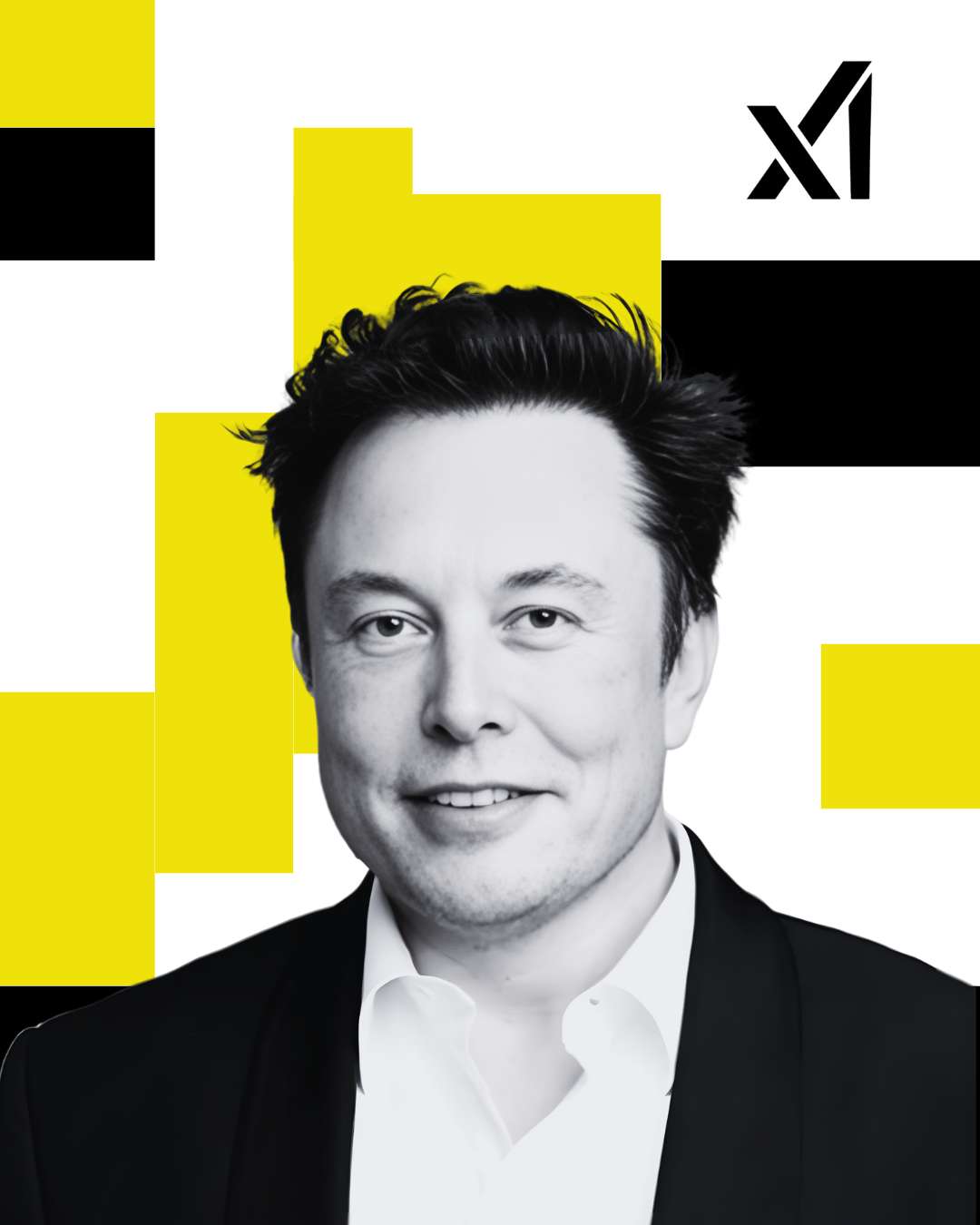
US-based xAI is a private AI startup founded in 2023 by Elon Musk to advance AGI, with a particular focus on scientific reasoning and truth-seeking. The company is closely linked to Musk’s broader ecosystem, including X, Tesla, and SpaceX, which collectively provide access to large-scale data, distribution channels, and compute infrastructure.
xAI has raised over $24 billion across multiple funding rounds, making it one of the fastest-capitalised AI startups globally. Its flagship model, Grok, is tightly integrated with the X platform, allowing it to interact with real-time information streams and social data. xAI’s positioning reflects Musk’s long-standing critique of closed AI systems and his ambition to build a vertically integrated AI stack that competes directly with established frontier model providers.
4. Databricks
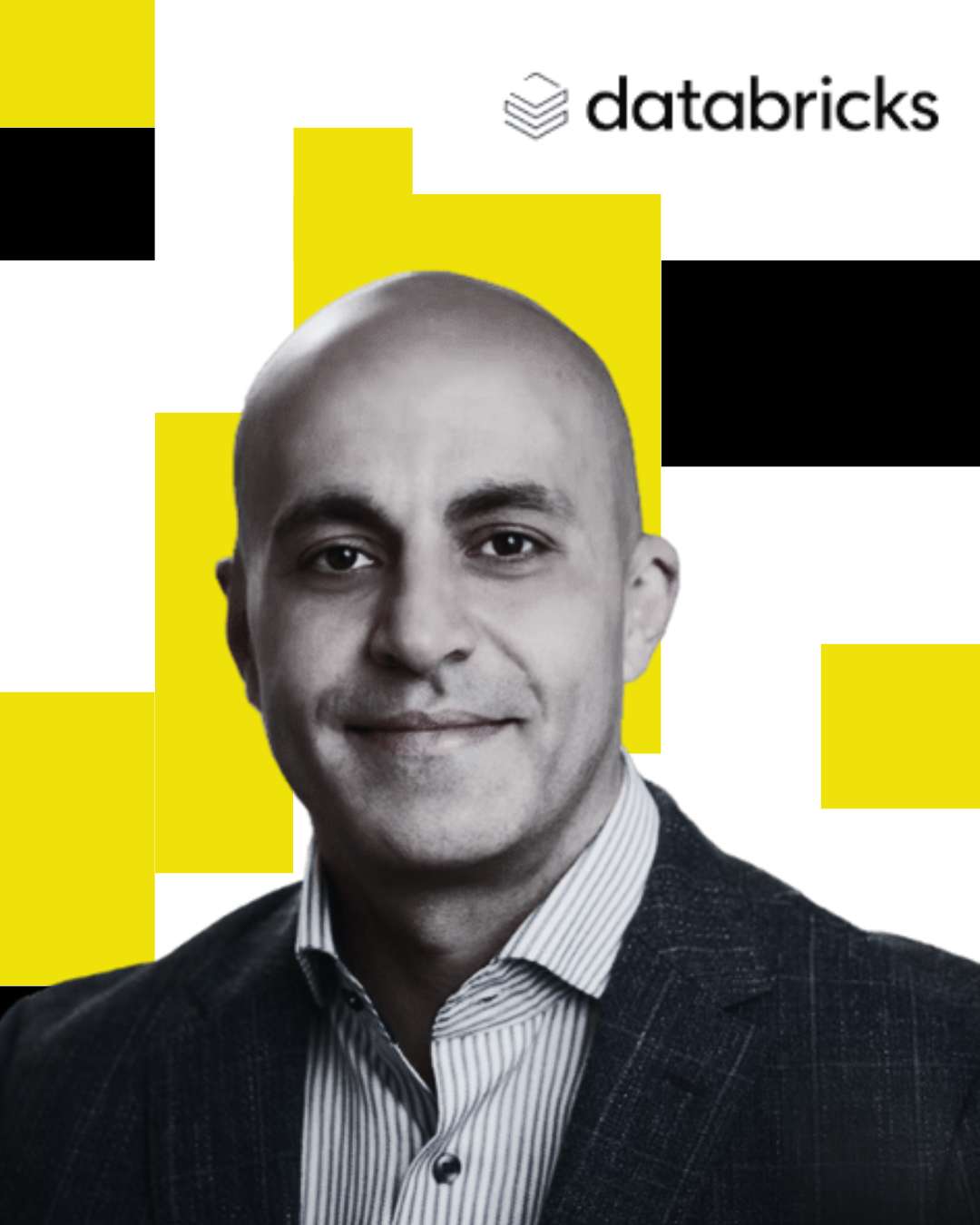
Databricks is a San Francisco-based data and AI company founded in 2013 by the creators of Apache Spark, including Ali Ghodsi, Matei Zaharia, Ion Stoica, and Reynold Xin. The company was established to commercialise open-source big data technologies and make large-scale analytics accessible to enterprises.
Databricks has raised approximately $19.2 billion from investors, including Microsoft, Andreessen Horowitz, Coatue, NEA, and Franklin Templeton. It is best known for pioneering the Lakehouse architecture, which combines the flexibility of data lakes with the reliability of data warehouses. Over time, Databricks has expanded deeply into machine learning platforms, governance, and generative AI tooling, making it a core infrastructure layer for enterprises building and deploying AI systems at scale.
5. Vantage Data Centers
Vantage Data Centers is a private hyperscale data centre platform headquartered in the United States, founded in 2010 by Sureel Choksi. The company was created to meet the growing infrastructure demands of cloud service providers and large enterprises.
Vantage has raised over $17.2 billion through a mix of equity investments, joint ventures, and large-scale debt financing from investors including DigitalBridge and Silver Lake. It operates hyperscale campuses across North America, Europe, and the Asia-Pacific region. As AI workloads dramatically increase demand for power, cooling, and physical space, Vantage’s focus on speed-to-market, energy efficiency, and renewable integration has made it a critical infrastructure for global AI and cloud expansion.

6. Scale AI
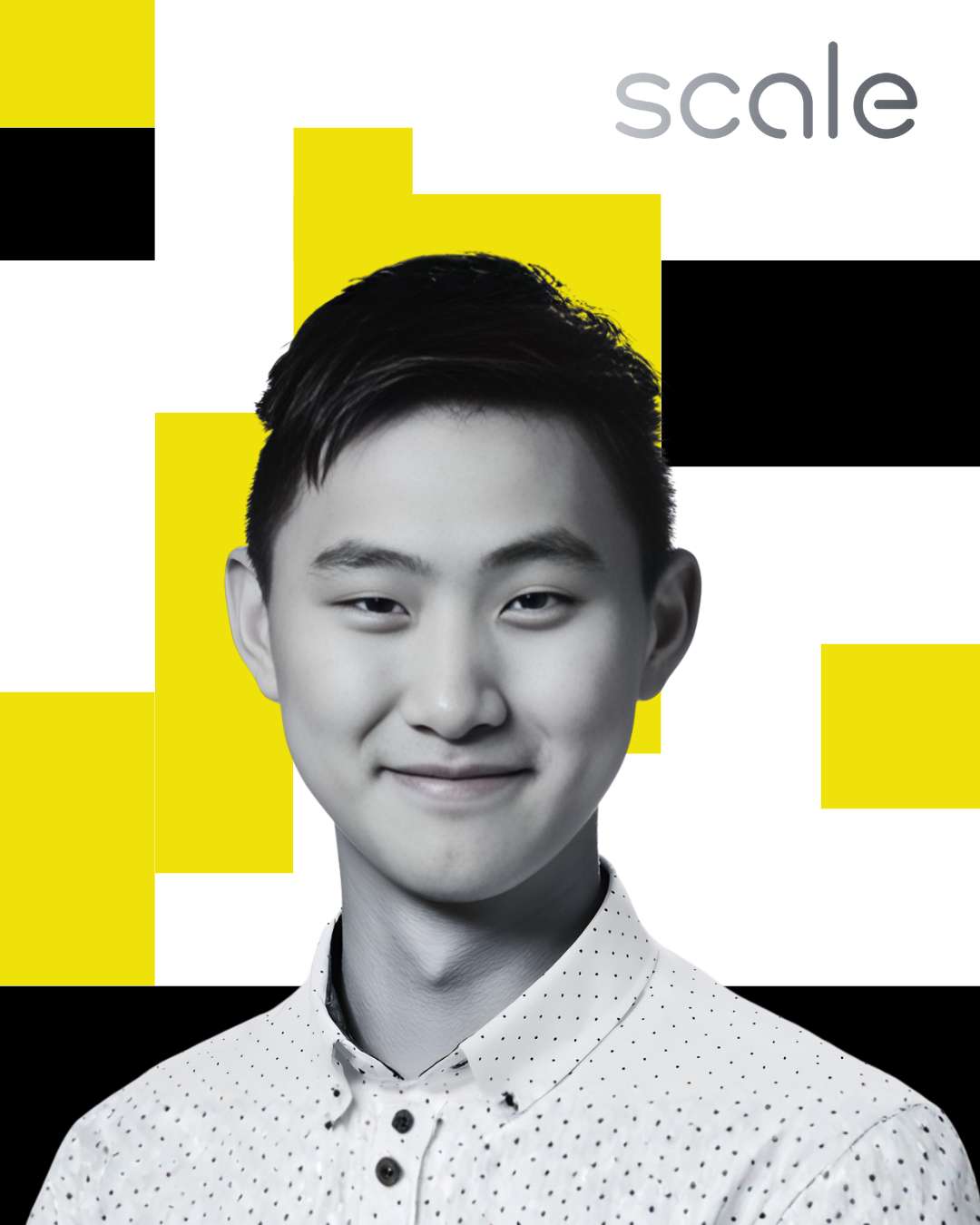
Scale AI is a private AI infrastructure startup based in San Francisco, founded in 2016 by Alexandr Wang and Lucy Guo. The company initially focused on providing labelled data for autonomous vehicle development, addressing a key bottleneck in early machine learning systems.
Scale AI has raised over $15.9 billion from investors including Accel, Founders Fund, Coatue, Tiger Global, and Dragoneer. Over time, it has expanded into data curation, evaluation, and alignment services for large language models, enterprise AI, and defence applications. As data quality increasingly determines model performance, Scale AI has positioned itself as a foundational layer in the global AI supply chain, particularly for high-stakes and government use cases. In June 2025, Meta invested $14.3 billion in Scale AI, securing a 49% stake. Currently, the startup remains an independent entity.
7. Perplexity AI
Perplexity AI is a private AI startup based in San Francisco, founded in 2022 by Aravind Srinivas, Denis Yarats, Johnny Ho, and Andy Konwinski. The company was created to rethink internet search in an era dominated by large language models.
Perplexity has raised over $1.25 billion from investors, including NVIDIA, Jeff Bezos, NEA, IVP, and Databricks Ventures. Its product delivers conversational, answer-first responses supported by citations and real-time web sources. This approach reflects shifting user expectations towards direct information retrieval rather than traditional link-based search, positioning Perplexity as a meaningful challenger to incumbent search platforms.

8. Anduril Industries
Anduril Industries is a private defence technology startup founded in 2017 in Costa Mesa, California, by Palmer Luckey, Trae Stephens, Brian Schimpf, and Matt Grimm. The company was built to modernise military systems using software-first and AI-driven approaches.
Anduril has raised over $6.25 billion from investors including Founders Fund, General Catalyst, a16z, and Lux Capital. Its Lattice platform integrates autonomous drones, sensors, and command systems into a unified AI-powered defence network. As governments increasingly prioritise autonomy, surveillance, and software-defined warfare, Anduril has emerged as a central player in AI-enabled national security infrastructure.

9. Pony.ai
Pony.ai is a private autonomous vehicle technology company based in the United States and China, founded in 2016 by James Peng and Tiancheng Lou. The company focuses on developing full-stack self-driving technology for robotaxis and autonomous logistics.
Pony.ai has raised over $1.193 billion from investors including Toyota Motor Corporation, Hyundai Motor Group, Sequoia Capital China, and IDG Capital. Its funding reflects sustained automaker interest in long-term autonomous mobility. Pony.ai has conducted large-scale pilots across multiple cities and continues to work closely with regulators, positioning itself as a serious contender in the global race toward commercial Level 4 autonomy.
10. Inflection AI
Inflection AI is a private AI startup based in Palo Alto, California, founded in 2022 by Mustafa Suleyman, Reid Hoffman, and Karen Simonyan. The company was created to build highly capable, personal AI systems with an emphasis on safety and empathy.
Inflection AI has raised over $1.525 billion from investors, including Microsoft, NVIDIA, Bill Gates, Eric Schmidt, and Greylock Partners. Its flagship product, Pi, reflects a consumer-focused approach to conversational AI, prioritising supportive and human-centred interactions. Alongside product development, Inflection has invested heavily in large-scale model training and alignment research, underscoring the growing importance of trust and responsibility in AI deployment.

11. Anysphere
Anysphere is a private AI developer tools startup based in San Francisco, founded in 2022 by Michael Truell, Sualeh Asif, Arvid Lunnemark, and Aman Sanger. The company is best known for Cursor, an AI-powered code editor that integrates large language models directly into the software development workflow.
Anysphere has raised over $3.3 billion across multiple funding rounds from investors including Thrive Capital, Andreessen Horowitz, and Benchmark. The scale of funding reflects strong developer adoption and the belief that AI-native tooling will redefine how software is written. Rather than positioning AI as an external assistant, Cursor embeds AI into the core act of coding, generation, refactoring, debugging, and understanding context. Anysphere’s rise highlights a broader shift towards AI-first development environments, where productivity gains come from deeply integrating models into everyday workflows rather than layering them on top of existing tools.
12. Safe Superintelligence
Safe Superintelligence (SSI) is a private AI research startup based in the United States, founded in 2024 by Ilya Sutskever, Daniel Gross, and Daniel Levy. The company was created with a singular objective: building safe superintelligent AI systems without the pressures of near-term commercialisation.
SSI has raised around $3 billion in total funding across early-stage rounds, despite having no public-facing products. The unusually large raise reflects extraordinary investor confidence in the founding team’s technical credibility and long-term vision. SSI operates largely in stealth, focusing on fundamental research into alignment, robustness, and controllability. Its formation underscores growing concern within the AI community that unchecked scaling of frontier models could pose systemic risks, and that dedicated organisations are needed to prioritise safety alongside capability
13. Crusoe
Crusoe is a private energy and infrastructure startup based in Denver, Colorado, founded in 2018 by Chase Lochmiller and Cully Cavness. The company was originally created to reduce wasted energy by capturing stranded natural gas.
Crusoe has raised over $2.6 billion across equity and debt rounds from investors including Founders Fund, G2 Venture Partners, Bain Capital, and Lowercarbon Capital. Over time, the company has evolved into a major provider of modular data centres and AI-optimised compute infrastructure. As AI workloads place unprecedented strain on energy systems, Crusoe sits at the intersection of sustainability and compute demand. Its model highlights how AI expansion is reshaping not just software, but also energy markets and physical infrastructure design.

14. Nuro
Nuro is a private autonomous vehicle technology startup based in Mountain View, California, founded in 2016 by former Google engineers Dave Ferguson and Jiajun Zhu. The company was built around an AI-first approach to goods delivery rather than passenger transport.
Nuro has raised over $2.3 billion from investors, including SoftBank Vision Fund, Tiger Global Management, Greylock Partners, T. Rowe Price, and Fidelity. Its focus on purpose-built delivery vehicles reduces complexity and safety risks compared to passenger autonomous vehicles. Nuro invests heavily in machine learning for perception, prediction, planning, and simulation, with strong emphasis on safety validation and handling long-tail scenarios. The company’s trajectory illustrates how autonomy may reach commercial scale first in constrained, logistics-focused environments rather than general consumer transport.
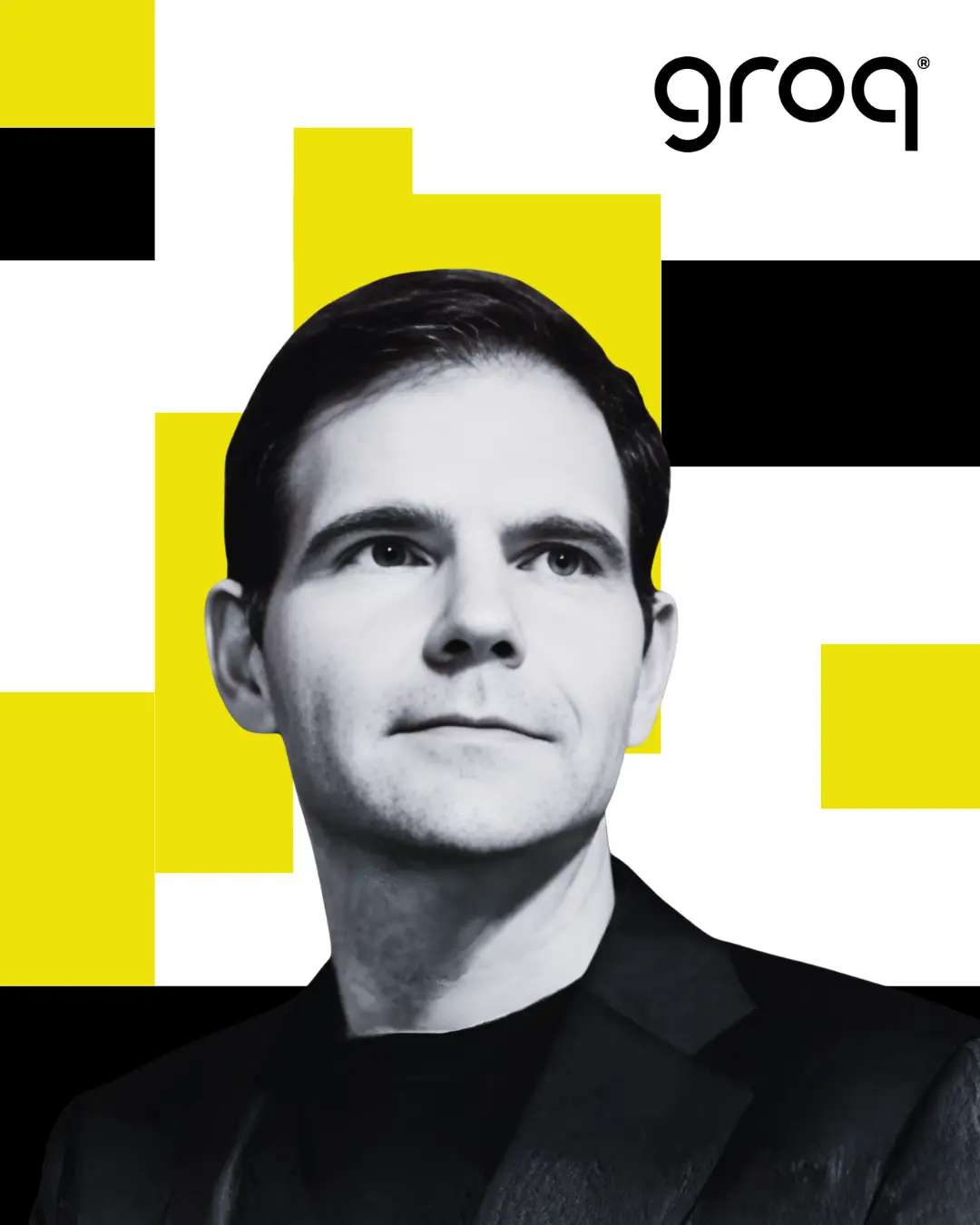
15. Groq
Groq is a private AI hardware and systems startup based in Mountain View, California, founded in 2016 by Jonathan Ross, the former lead architect of Google’s Tensor Processing Unit (TPU). The company was created to radically improve machine learning inference performance.
Groq has raised over $1.75 billion from investors, including Tiger Global, BlackRock, D1 Capital Partners, and T. Rowe Price. Its core innovation is the Language Processing Unit (LPU), designed for deterministic, low-latency AI inference. As inference costs become a dominant challenge in deploying large models, Groq offers an alternative to GPU-centric architectures. Its approach reflects growing industry focus on efficiency, predictability, and real-time performance rather than brute-force scaling alone.
16. Cerebras Systems
Cerebras Systems is a private AI hardware company founded in 2015 by Andrew Feldman, Michael James, Gary Lauterbach, Jean-Philippe Fricker, and Sean Lie, focused on building specialised computing systems for large-scale AI workloads. The company has raised $1.55 billion across seven funding rounds, comprising two early-stage rounds and five late-stage rounds. Its largest financing to date was a $1.1 billion Series G round in September 2025, underscoring sustained investor confidence in alternatives to GPU-centric AI infrastructure.
Cerebras has positioned itself around delivering massive-scale compute for training and running frontier AI models. This strategy was reinforced by a landmark commercial agreement with OpenAI, under which Cerebras will deliver 750 megawatts of computing power through 2028, according to a public blog post by the maker of ChatGPT. The arrangement is estimated to be worth over $10 billion, according to people familiar with the matter.
The deal highlights a broader industry shift towards diversified AI hardware stacks as demand for compute accelerates, and it places Cerebras among a small group of infrastructure providers directly supporting frontier model development at unprecedented scale.

17. SambaNova Systems
SambaNova Systems is a private AI systems company based in Palo Alto, California, founded in 2017 by Rodrigo Liang, Kunle Olukotun, and Li Zhang. The company was created to deliver next-generation computing platforms for AI workloads.
SambaNova has raised over $1.1 billion from investors, including SoftBank Vision Fund, BlackRock, Temasek, GV, and Intel Capital. Its platform combines reconfigurable dataflow hardware with systems software optimised for large-scale machine learning. SambaNova positions itself as a vertically integrated alternative to GPU-based AI infrastructure, targeting enterprises and governments that require efficiency, scalability, and control over AI deployments.

18. Cohere
Cohere is a private AI startup focused on large language models for enterprise use, founded in 2019 by Aidan Gomez, Nick Frosst, and Ivan Zhang, all of whom previously worked on foundational transformer research at Google. The company is headquartered in Toronto, with a significant presence in the United States, and was created to build high-performance language models designed specifically for business and organisational needs rather than consumer chatbots.
Cohere has raised $1.7 billion in total funding across multiple rounds from investors including Inovia Capital, Index Ventures, Tiger Global, NVIDIA, Salesforce Ventures, Oracle, and AMD. The company has positioned itself as an enterprise-first alternative in the foundation model space, emphasising data privacy, deployment flexibility, and integration with existing corporate systems.
Since its inception, Cohere has focused on providing customizable language models for tasks like search, summarisation, and classification. This aligns with a growing trend among businesses seeking control and reliability over generic consumer AI products.

19. Physical Intelligence
Physical Intelligence is a private robotics and AI startup based in the United States, founded in 2023 by Karol Hausman and Lachy Groom. The company was created to develop general-purpose AI systems for physical robots.
Physical Intelligence has raised over $1.07 billion from investors, including Thrive Capital, Lux Capital, OpenAI, and Jeff Bezos. Its focus is on training large-scale machine learning models on diverse robot data, spanning manipulation, locomotion, and multi-step tasks. The company aims to build reusable “robot brains” that generalise across hardware and environments, reflecting a broader shift towards foundation models for robotics rather than task-specific automation.

20. Figure AI
Figure AI is a private robotics and AI startup focused on developing general-purpose humanoid robots for real-world environments. The company was founded in 2022 by Brett Adcock, with the goal of combining advanced AI models, robotics hardware, and embodied intelligence into a single, scalable platform. Figure AI is headquartered in the US and positions itself at the intersection of frontier AI and physical automation.
Figure AI has raised $1.9 billion in total funding across multiple rounds from a mix of venture capital firms, strategic technology investors, and high-profile individuals. The scale of funding reflects growing belief that humanoid robots could address labour shortages in manufacturing, logistics, and service industries.
Figure AI focuses on integrating perception, manipulation, and decision-making through machine learning, aiming to build adaptable AI systems across diverse environments.

- The Economics of Continuous Inference
- [Webinar Alert] Building Secure and Scalable Enterprise Applications in the Age of AI With Aurigo
- Hexaware Certified as Best Firm for Forward-Deployed Engineers by AIM
- Meet the Winners of AIM Chess League 2026
- Cypher 2026: AIM’s Best Firm Awards Spotlight 22 Companies Shaping India’s AI Workforce
- 2026 Minsky Awards for Excellence in AI Winners