
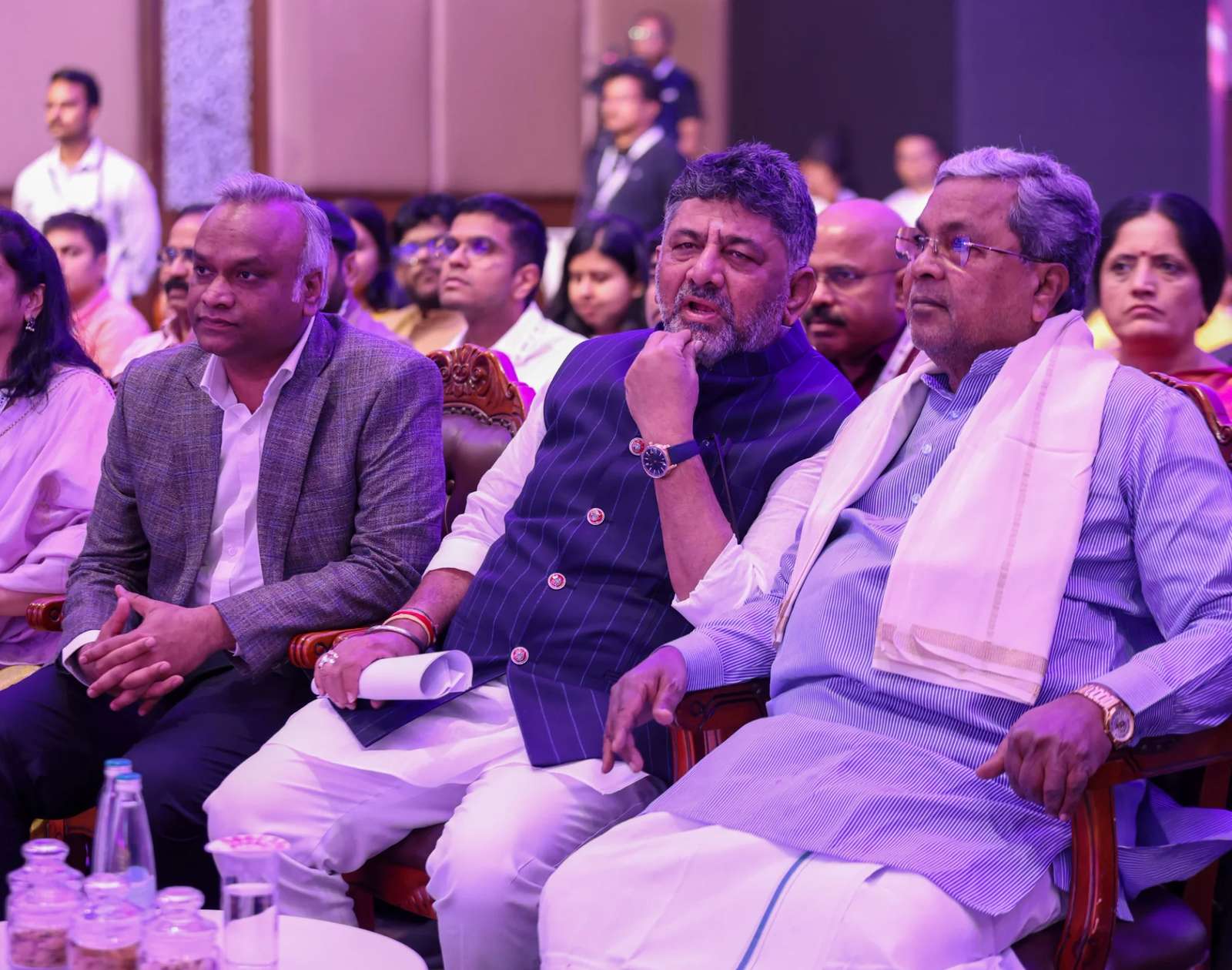
The animation, visual effects, gaming, comics and extended reality (AVGC-XR) sector has the potential to create 20 lakh jobs over the next five years, Karnataka Chief Minister Siddaramaiah said while inaugurating the 7th edition of the Bengaluru GAFX Conference 2026.
“With the potential to create 20 lakh jobs in the next five years, this sector generates employment across design, coding, storytelling, music, motion capture, artificial intelligence modeling and production management,” the chief minister said.
Inaugurating the conference themed ‘Evolution Reloaded’, Siddaramaiah said that the games, animation and visual effects sector was no longer a small creative industry. In the era of the digital revolution, immersive media, streaming platforms, e-sports, and extended reality, the sector was shaping how humanity experiences stories, culture, education, and governance.
Expanding Beyond Bengaluru
He said the government is promoting digital creative clusters beyond Bengaluru—in Mysuru, Mangaluru, Hubballi-Dharwad, and Kalaburagi.
“We want the next great game engineer or VFX innovator to emerge not only from the capital, but from various districts of Karnataka,” the CM said, adding that growth must be “geographically expansive and socially inclusive.”
He asserted that the government is reimagining tourism through augmented reality, enabling immersive digital tours of heritage and tourist destinations. AVGC-XR technologies are being integrated into education, advancing medical training through simulation, and digitally preserving Karnataka’s history and cultural heritage.
Five Strategic Priorities
Outlining Karnataka’s vision for the AVGC-XR sector, Siddaramaiah detailed five strategic priorities.
They include building a large and future-ready talent pipeline; strengthening infrastructure and production ecosystems; supporting startups and original intellectual property; expanding opportunities beyond Bengaluru; and building global partnerships with international studios, investors, academic institutions, and technology partners.
“India must move from outsourcing to original creation,” he said, adding, “We want global characters born from Karnataka’s soil,” while explaining the push towards original IP.
AI Must Remain a Tool
Addressing artificial intelligence, Siddaramaiah said AI is transforming content pipelines “from procedural animation to generative environments, from voice synthesis to real-time rendering.”
“Artificial intelligence must remain a tool and not a substitute for human imagination. Technology should amplify human potential, not erase it,” he said.
The chief minister emphasised ethical standards in AI use, respect for intellectual property, data privacy, fair compensation, and skill upgradation. He also called for responsible game design that avoids glorifying violence and safeguards the mental well-being of children.
He called upon industry leaders to invest in original content, educational institutions to modernise curricula and young creators to “dream fearlessly”.
First State to Implement AVGC Policy
Highlighting Karnataka’s early policy move, the chief minister said, “In 2017, Karnataka became the first state in India to implement a dedicated AVGC policy. That decision was driven by foresight, recognising that content creation would become as powerful as code creation.”
He added that the state is currently implementing its third AVGC-XR policy for the period 2024–2029.
Meanwhile, Deputy Chief Minister DK Shivakumar highlighted Bengaluru’s ecosystem strength, saying the city hosts “about 875 GCCs,” produces “about 1,50,000 IT professionals, engineers in Karnataka every year,” and has already seen “more than ₹2,000 crore of investments.”
He added that the AVGC-XR sector is “growing about 25–30% annually” with “a potential to create 1.5 lakh jobs every year,” while the government has a target of “about 50,000 students by 2028” and aims “to create 30,000 high-quality jobs.”
He assured policy support and faster clearances and asserted that while “AI is taking everything now,” job opportunities would not disappear, emphasising that Bengaluru, which “led the IT revolution,” will now “lead India’s creative technology revolution.”
- Anthropic Posts $17 Bn in Q3 Revenue, Swings to Operating Loss
- OpenAI Signs Four Agreements With Abu Dhabi Across Government, Energy And Investment
- Deep-Tech and Green Finance to Drive India’s Climate Investments in 2027
- Google’s Project Suncatcher Satellite Generates First AI Response in Orbit
- DeepSeek Proposes Super-Agent Architecture to Automate AI Coding Workflows
- Arrowhead AI Launches Fletch Voice Model for Multilingual Customer Calls