
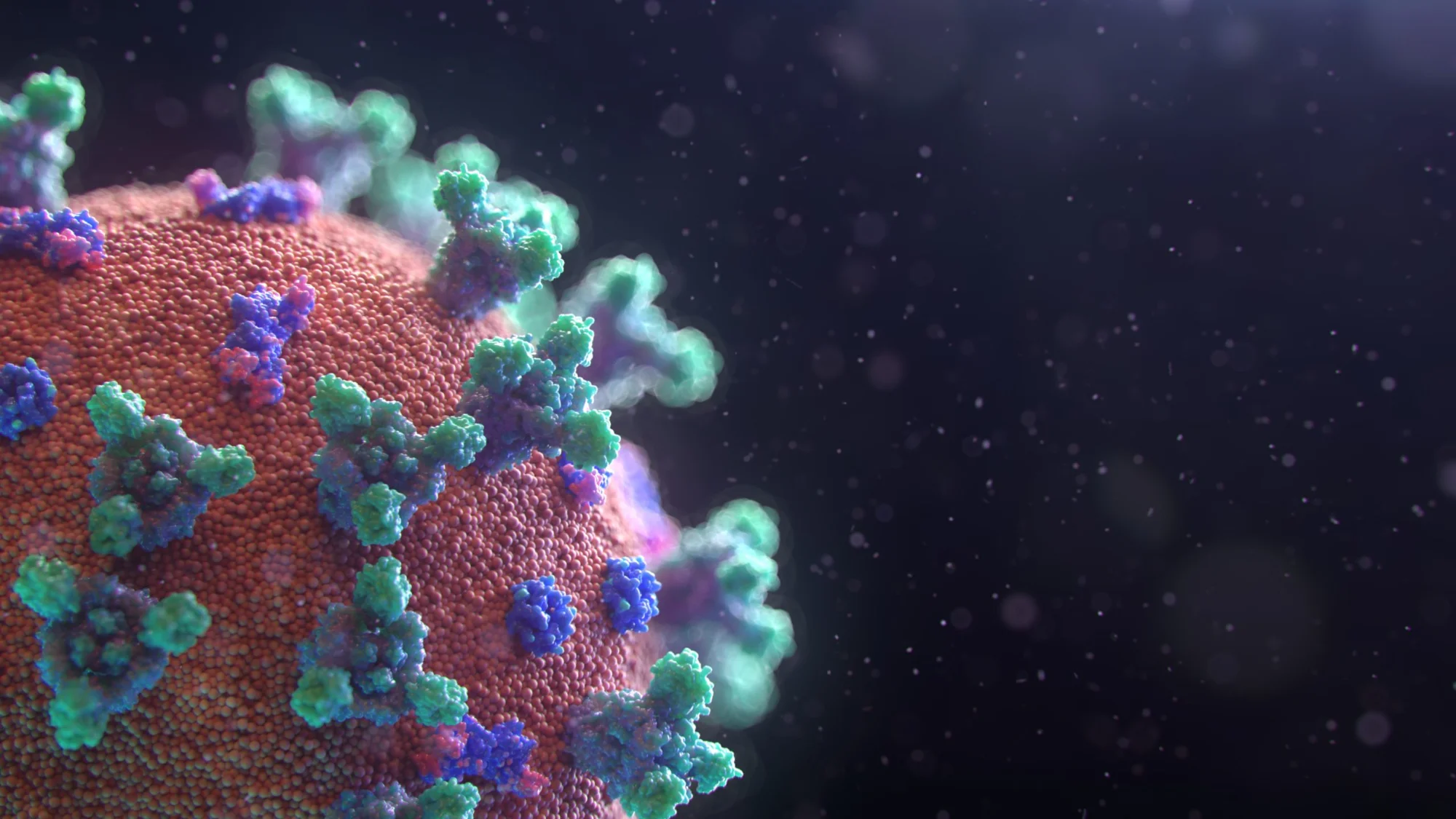
Researchers at the University of Cambridge have tested the world’s first artificial intelligence-designed universal vaccine in humans, marking a significant step in vaccine development and pandemic preparedness.
The experimental vaccine has been designed to protect against an entire family of viruses rather than a single strain. Scientists at Cambridge University say it could eventually help tackle future outbreaks caused by rapidly evolving viruses, including those related to SARS, MERS, and COVID-19.
Unlike conventional vaccines which are updated to target new variants, the AI-designed vaccine uses a specially created “super antigen” that trains the immune system to recognise common features shared across multiple viruses.
Researchers at Cambridge University used a machine-learning algorithm trained on genetic data from sarbecoviruses, a group that includes the viruses responsible for SARS and COVID-19. The AI then designed the vaccine antigen, the component that triggers an immune response in the body.
Professor Jonathan Heeney, a researcher at the University of Cambridge and co-author of the study, said the technology could change the way vaccines are developed.
“We’ve converted vaccine development from being reactive to being future-proof. The approach could help scientists prepare for future pandemic threats before they emerge,” he noted in a statement.
The vaccine was tested in an early-stage Phase 1 trial involving nearly 40 participants between 2021 and 2023. The trial primarily aimed to assess safety and determine whether the vaccine could stimulate an immune response.
According to the study published in the Journal of Infection, the vaccine did not cause any serious side effects. However, researchers found that its effect on triggering immune responses was limited, describing the results as "modest." Additional studies are required to better assess the vaccine's overall effectiveness.
Despite the limited results, scientists have welcomed the breakthrough. Professor Saul Faust of the University of Southampton said the technology shows promise for designing vaccines against rapidly changing viruses. Professor Andy Pollard, Director of the Oxford Vaccine Group, described the findings as “fascinating” and said artificial intelligence could become a “game changer” in vaccine research.
Researchers at Cambridge University are now planning a larger phase 2 trial to better understand how well the vaccine can protect against a broad range of viruses and whether it can help prevent future pandemics.

Your reaction
Discussion
What's your take on this story?
No comments yet — be the first to share your view.