
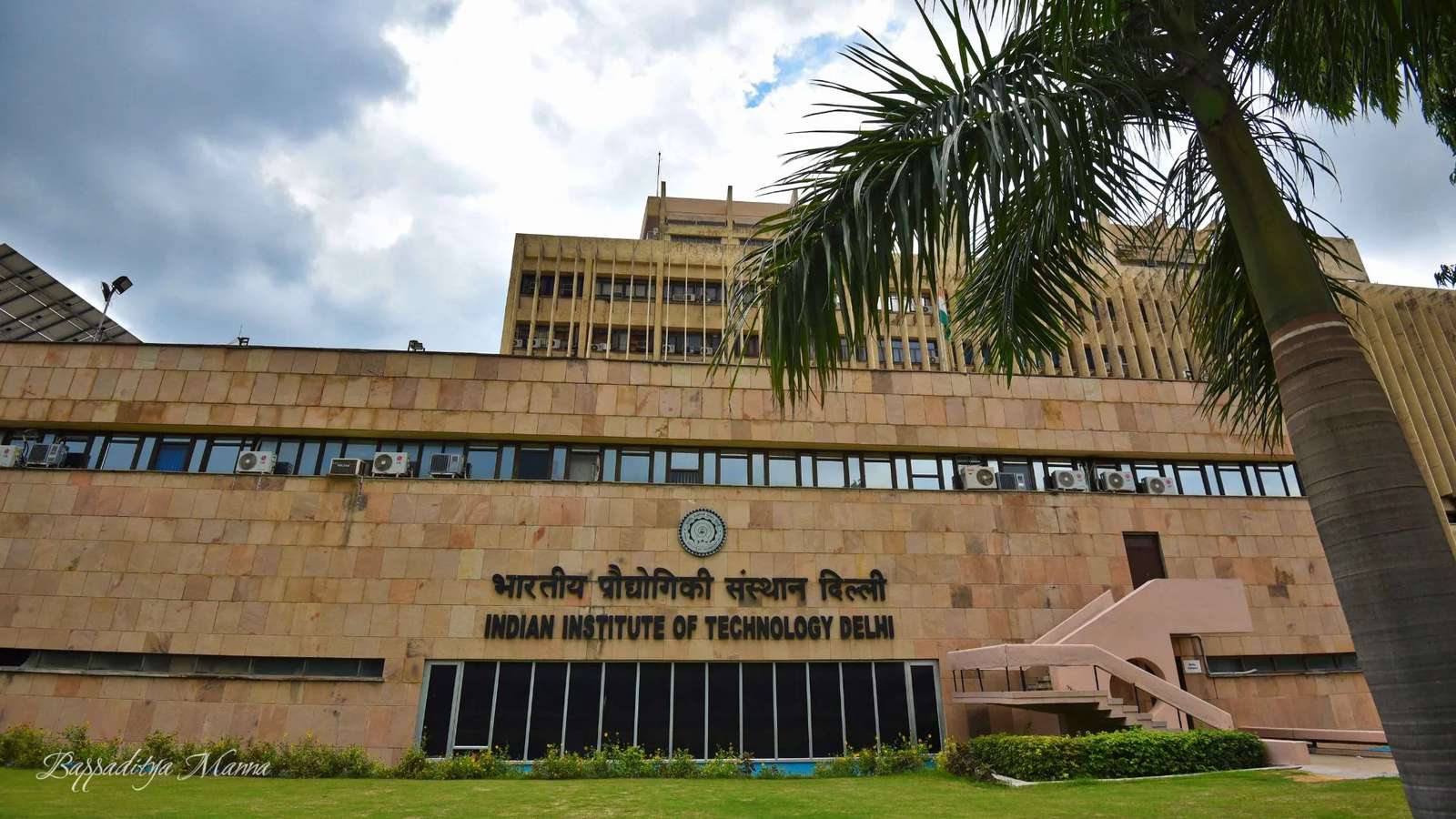
The Indian Institute of Technology (IIT) Delhi and Cadence Design Systems have launched an AI-enabled innovation lab to train semiconductor talent, support research, and help early-stage startups in India.
The IIT Delhi–Cadence Innovation Lab will give students and researchers access to electronic design automation (EDA) tools used by the semiconductor industry. The lab aligns with the India Semiconductor Mission and the government’s Design Linked Incentive (DLI) scheme.
“Students at IIT Delhi now use the same AI-enabled tools they’ll see on day one in industry, closing the gap from classroom to tapeout,” said Alok Jain, Corporate Vice President and India Managing Director at Cadence. He added that industry-grade technology, project-based learning, and startup support would help improve workforce readiness for India’s semiconductor sector.
The multidisciplinary centre will provide access to more than 200 Cadence solutions across chip design verification, digital implementation, analogue design, and system design analysis. IIT Delhi students, researchers, and educators will use the same AI-enabled workflows that engineers use in professional settings.
Cadence said the move aims to improve engineering productivity and strengthen the use of AI in VLSI design.
IIT Delhi has also introduced Cadence-developed courses as part of the programme. These courses combine classroom teaching with project-based labs and assessments. The institute said the curriculum moves beyond theory by exposing students to practical tools and real-world engineering problems. Industry experts and Cadence professionals will also deliver guest lectures.
The lab will introduce an Early Master’s Research pathway for selected fourth-year undergraduate students from IITs and NITs. Cadence experts and IIT Delhi faculty will mentor students across research areas.
The initiative will also support pre-seed semiconductor startups through an incubator programme. The programme will offer selected startups a lower-cost route to first tape-out and prototype development.
Prof Jayadeva, professor in charge of the Cadence-IIT Delhi Innovation Lab, said the partnership would help expand research output, prepare students for careers, and support founders in moving from ideas to prototypes.
- AI Productivity to Add $28 Billion to $84 Billion to India's GDP: Cognizant Study
- OpenAI's Codex Helps in Aerodynamic Engineering for Mazda
- Bengaluru Accounts for 34% of India's FDE Talent: Report
- 84% See AI Productivity Gains, but Only 10% Allow Agent Autonomy: TCS Study
- Snowflake Introduces Business Ontology, Cortex AI Gateway to Bring AI Agents Into Enterprise Workflows
- Three Members Behind Claude Code Leave Anthropic Within 10 Days