
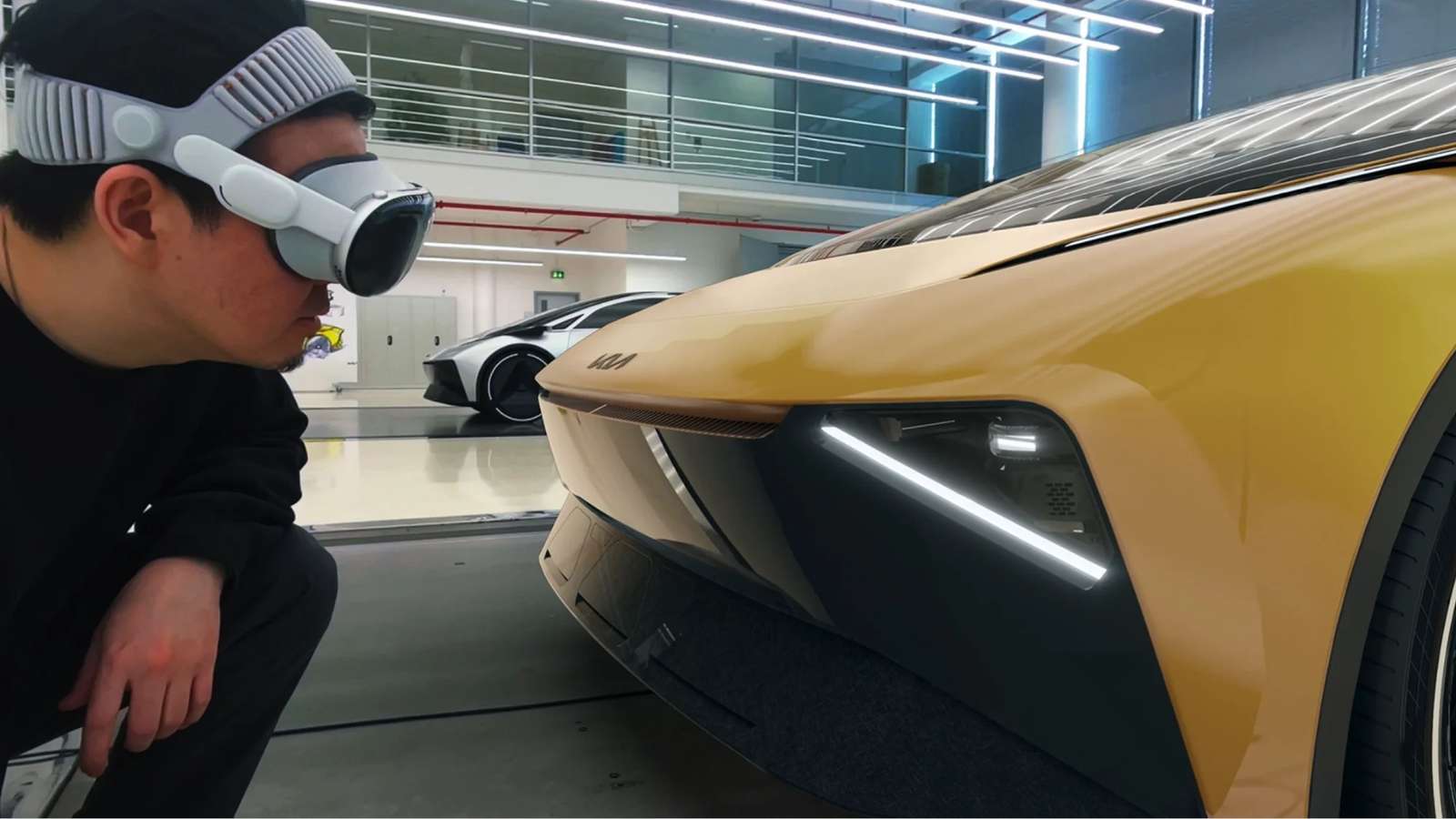
NVIDIA and Apple have introduced native support for NVIDIA CloudXR 6.0 on visionOS, enabling RTX-powered 3D applications and simulations to stream directly to Apple Vision Pro.
The announcement was made at NVIDIA’s GTC conference in San Jose, where the companies outlined use cases across enterprise, development and simulation.
The integration enables users to stream high-resolution immersive content from local workstations or the cloud to the headset. It uses dynamic foveated streaming to optimise performance based on users’ gaze and a “privacy-first architecture” in which gaze data remains within the streaming layer and is not exposed to applications or remote servers.
CloudXR 6.0 is now available as a native Swift streaming framework. NVIDIA said applications built using the integration will roll out this spring alongside updates to visionOS. NVIDIA said the system supports real-time, 4K experiences across sectors such as automotive, manufacturing and healthcare.
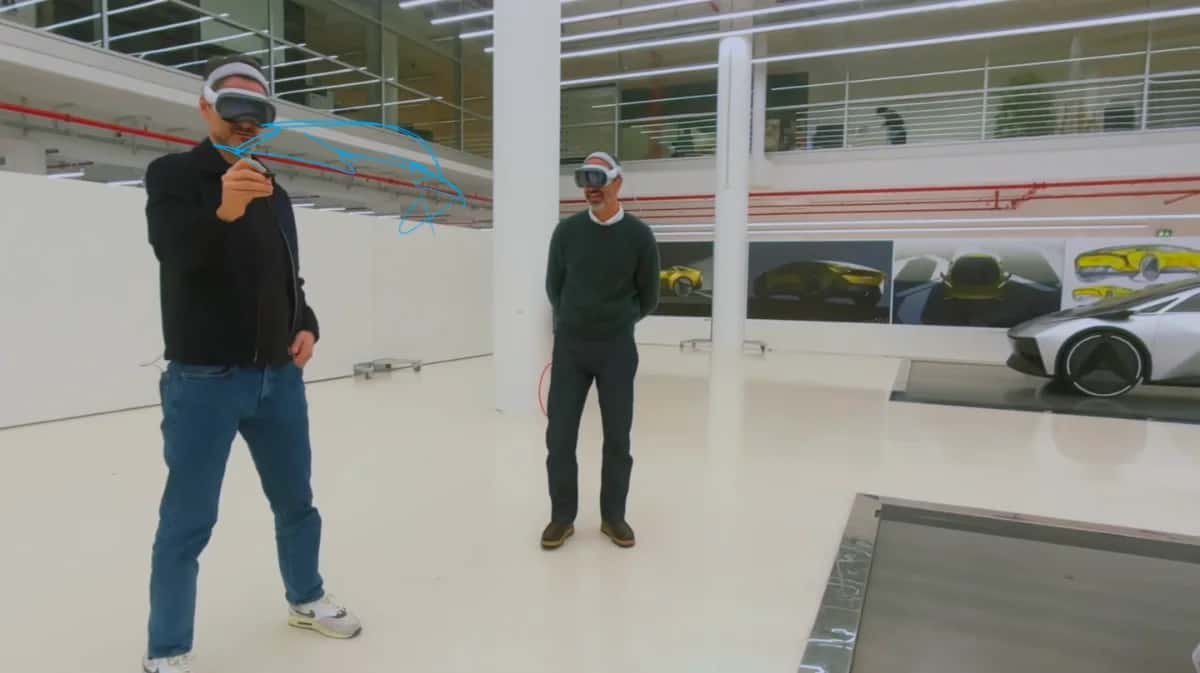
The companies also highlighted a growing ecosystem of partners using the integration. These include Autodesk, Innoactive, Synopsys, and Trifork, which are building applications for Apple Vision Pro using CloudXR.
NVIDIA also demonstrated simulation use cases, including titles such as iRacing and X-Plane 12, which can now run on the Apple Vision Pro at high frame rates and resolutions.
Enterprises such as Foxconn, Roche and Switch are already deploying the technology. Foxconn is using it to visualise factory floor layouts before construction, while Switch is demonstrating remote data centre management through digital twins.
Automotive firms, including Kia, BMW Group, Rivian, and Volvo Group, are using the system for full-scale design reviews. NVIDIA said designers can collaborate in shared environments and inspect details such as materials and finishes in real time.
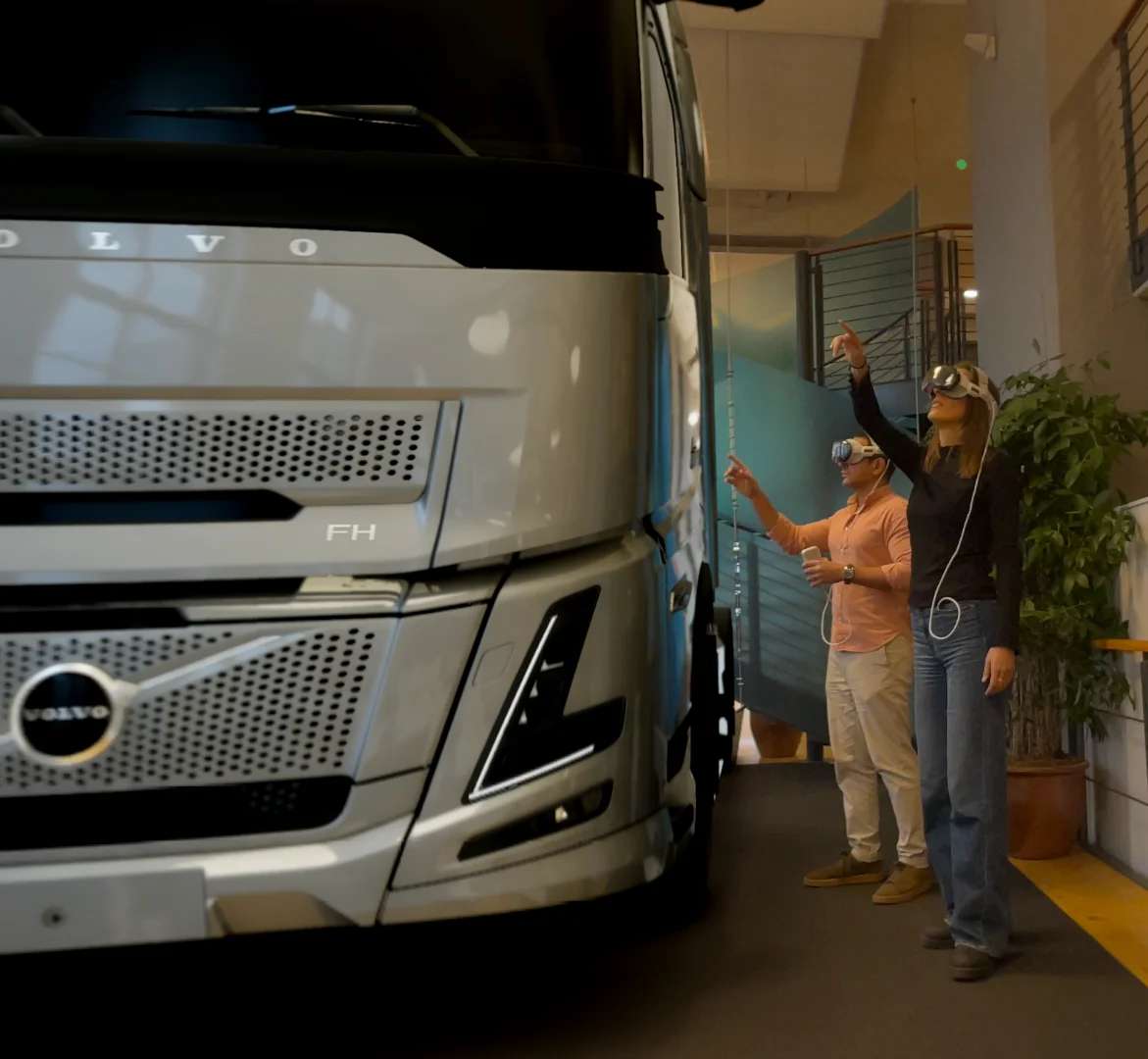
During a press briefing regarding this, NVIDIA’s VP and GM of Media and Entertainment, Richard Kerris, said the integration allows teams to review designs with precision that was not previously possible on standalone devices.
“You want to see the exact stitching in the leather seats or how the steering wheel is wrapped,” he said, referring to automotive design workflows.
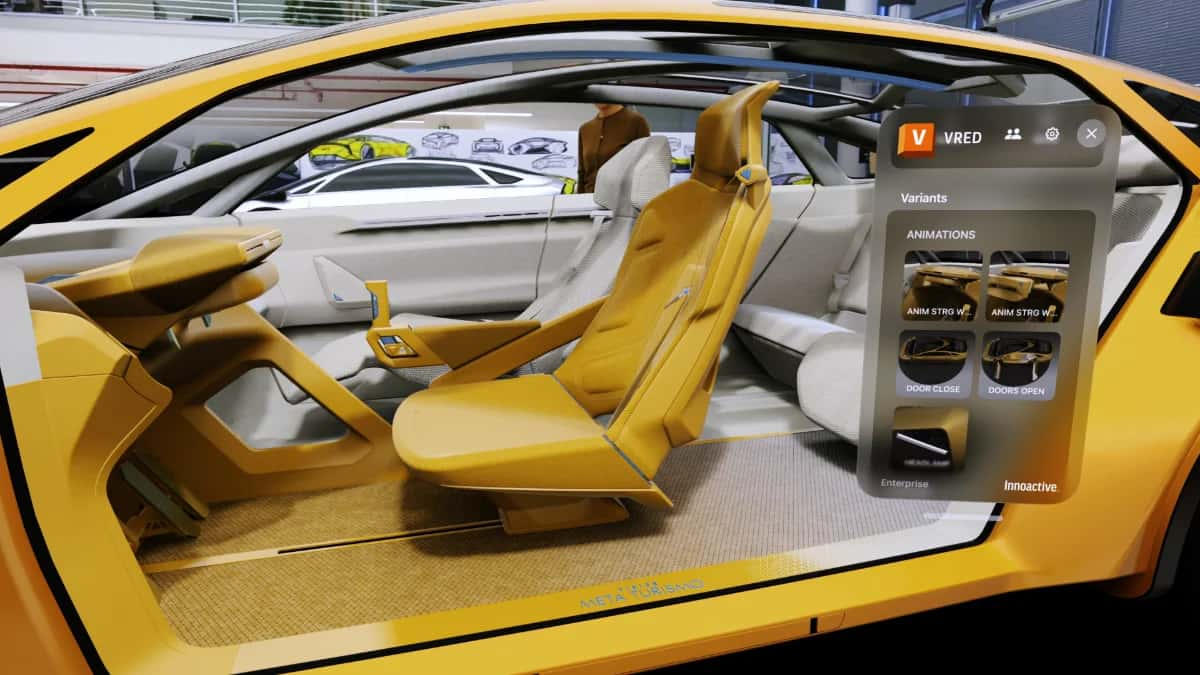
He added that the system streams RTX-powered graphics directly from data centres to the headset, removing hardware constraints. “We are bringing the power of the heavy enterprise use cases to a platform that is already this powerful,” Kerris said.
CloudXR 6.0 introduces native integration with visionOS and support for OpenXR applications. It also gains access to approximate gaze data to enable foveated streaming, a feature the company said improves efficiency while maintaining visual quality.
The company also outlined secure pairing via QR code authentication between the headset and the computing device. This establishes a trusted connection before streaming begins.
On performance, NVIDIA said a full virtual reality experience requires about 80 Mbps downstream bandwidth, with lower upstream usage depending on the workload.
For developers, the company is adding multi-platform Xcode templates that allow applications to be built once and deployed across Apple Vision Pro, iPhone and iPad.
Kerris said this supports collaborative workflows across devices. “You can have one person in the Vision Pro and someone else using an iPad as a window into that exact same scene,” he said.
- Amazon Warns Engineers Against AI Productivity Traps in Latest Memo
- Gnani AI Launches Prisma v3.0 Speech Recognition Model for 10 Languages
- Venttup Raises $3 Million To Expand Precision Manufacturing
- Articul8 Launches Bivia To Help Enterprise AI Agents Make Decisions
- NVIDIA Launches Open-Weight Transcription Model for 40 Languages
- Sarvam AI Rolls Out Indus Cowork to 2,500 Maharashtra Govt Officials