
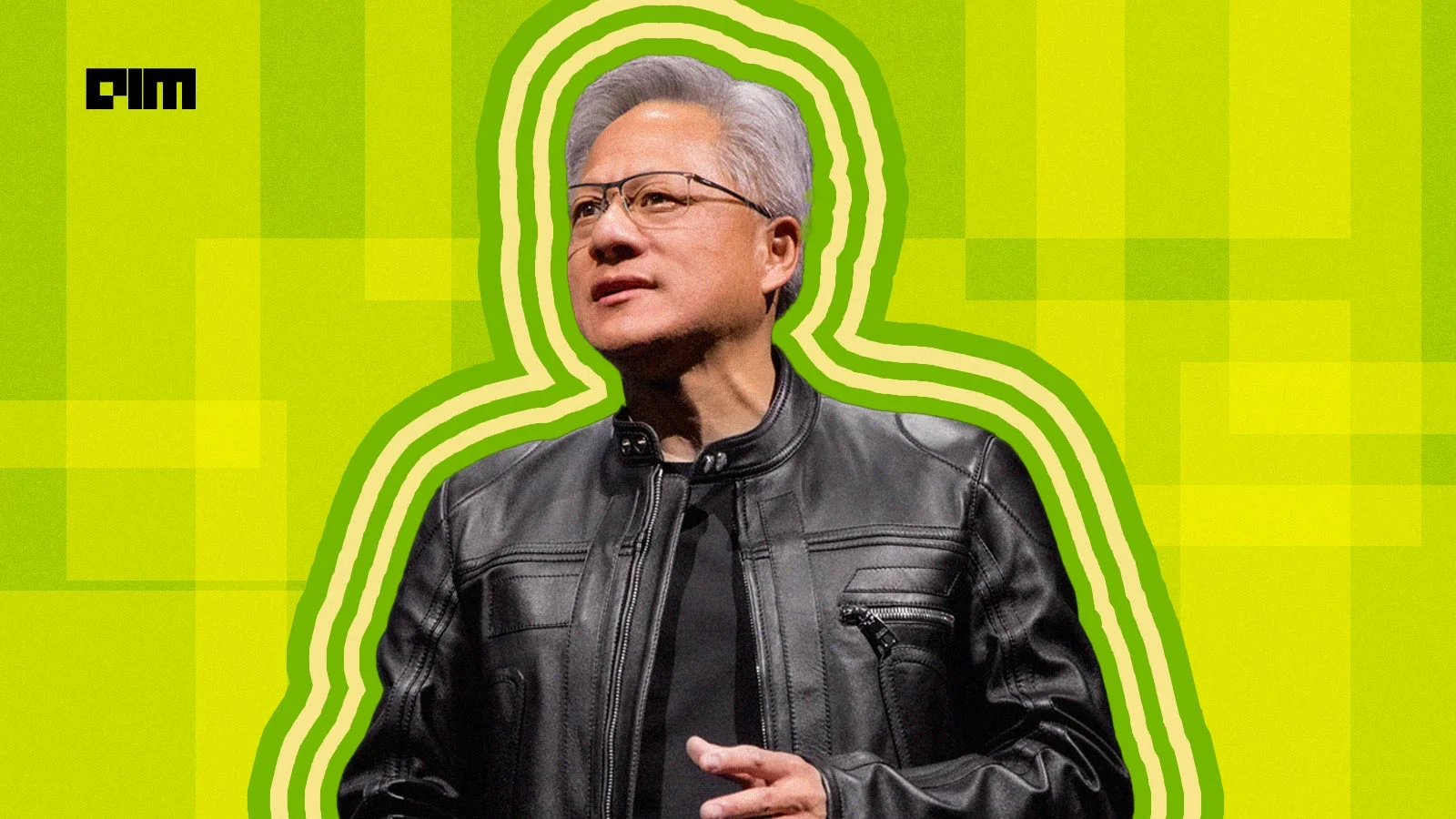
NVIDIA reported record first-quarter revenue of $81.6 billion for FY 2027, up 85% year-on-year, as demand for AI infrastructure and its Blackwell systems lifted data centre sales.
The company also projected second-quarter revenue of $91 billion, signalling continued spending on AI compute despite a slowdown in China-related business.
The chipmaker reported net income of $58.3 billion for the quarter ended April 26, up 211% from a year earlier, while diluted earnings per share rose to $2.39 from $0.76. NVIDIA said data centre revenue reached a record $75.2 billion, accounting for the majority of total sales.
The company also announced an additional $80 billion share repurchase authorisation and raised its quarterly dividend to $0.25 per share from $0.01.
“The buildout of AI factories, the largest infrastructure expansion in human history, is accelerating at extraordinary speed,” said Jensen Huang, CEO at NVIDIA. “Agentic AI has arrived, doing productive work, generating real value and scaling rapidly across companies and industries.”
The semiconductor giant attributed much of the quarter’s growth to the ramp-up of its Blackwell 300 products and demand for networking technologies such as InfiniBand, Spectrum-X Ethernet and NVLink.
Data centre revenue rose 92% year-over-year and 21% sequentially. Hyperscale customers accounted for around half of that revenue, while the rest came from AI cloud providers, industrial firms, enterprises, and sovereign customers.
The company said it shipped no Hopper data centre products to China during the quarter, compared with $4.6 billion in the same period last year. NVIDIA also excluded any China data centre compute revenue from its second-quarter guidance.
Huang also mentioned earlier that the company’s market share in China has fallen to zero due to US export controls blocking sales of advanced AI chips to the country.
The company has also changed how it reports revenue to reflect what it sees as future growth areas. It now divides its business into data centre and edge computing. Within the data centre, it will separately report hyperscale and AI cloud, industrial and enterprise (ACIE) revenue.
The shift comes as the company pushes beyond cloud providers into sovereign AI projects, enterprise deployments and industrial use cases. Quarterly trends showed continued growth across both hyperscale and enterprise-linked demand, according to company data.
Alongside its earnings, NVIDIA also expanded capital returns to shareholders. The company returned about $20 billion during the quarter through stock buybacks and dividends. Its board approved an additional $80 billion share repurchase programme on May 18, without an expiry date.
The surge in revenue comes after NVIDIA has found itself at the centre of a widening geopolitical debate over AI infrastructure and chip exports to China. Huang has publicly argued against tighter export curbs, saying the US should continue selling advanced chips to China rather than ceding the market to domestic rivals such as Huawei.
Huang also joined high-level US-China discussions this month, as Washington weighed approvals for NVIDIA’s H200 chip sales to selected Chinese firms.
At the same time, in a recent podcast interview, Huang said he would not start NVIDIA again if given a second chance, reflecting on the “pain and suffering” behind building the company over three decades.
The demand for Blackwell systems continues to outpace supply. Investors are also watching how NVIDIA navigates rising competition from rivals such as AMD and cloud firms building in-house chips, even as Huang argues that demand for AI computing infrastructure is still in its early stages.

Your reaction
Discussion
What's your take on this story?
No comments yet — be the first to share your view.