Key takeaways
- Launch integrated global capability centres in Hyderabad and Chennai to support enterprise transformation.
- Scale GCCs to 2,000 professionals by 2030, enhancing India's role in global delivery strategy.
- Combine ABeam's consulting expertise with Optimum's engineering capabilities for effective transformation initiatives.
- Focus on AI-led innovation, cloud migration, and data engineering to meet evolving enterprise needs.
- Establish a unified governance framework for managing complex, multi-year transformation projects.
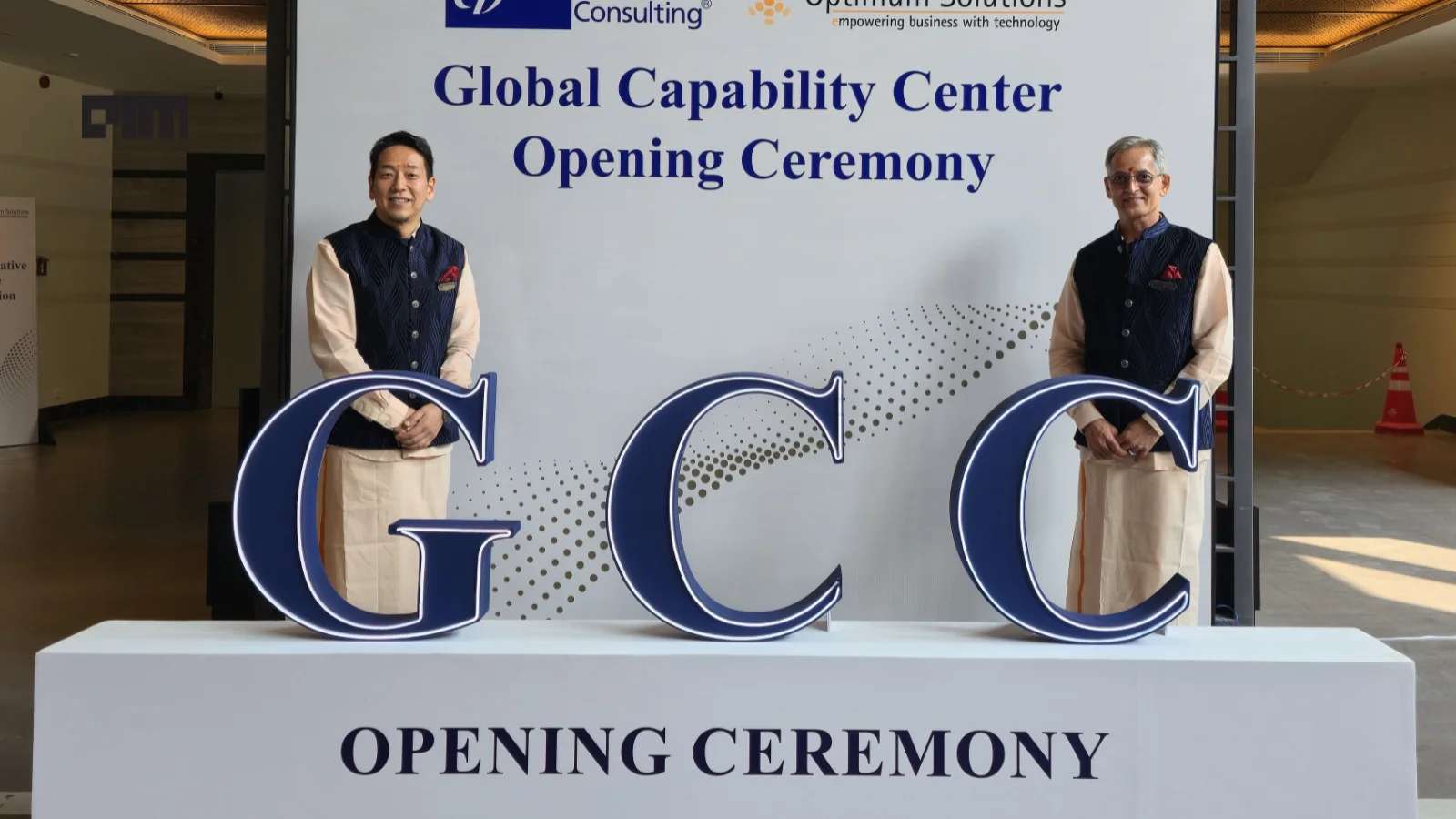
Optimum Solutions, a Singapore-headquartered IT services and digital transformation firm, and Japan-based ABeam Consulting have announced the launch of integrated global capability centres (GCCs) in Hyderabad and Chennai, as per an official announcement.
The new centres will function as dedicated global delivery hubs supporting Japanese and multinational enterprises across digital transformation, enterprise modernisation, cloud migration, data engineering, and AI-led innovation.
The GCCs are expected to scale to 2,000 professionals by 2030, positioning India as a strategic execution backbone for the partnership’s global transformation programmes.
“The launch of the Hyderabad and Chennai GCCs places India at the centre of our global delivery strategy. This is not a tactical expansion; it is a structural investment in building scalable, AI-ready capabilities that will support the next decade of enterprise transformation,” Balwant Jain, CEO, Optimum Solutions, said.
The launch comes as Japanese enterprises accelerate investments in AI-enabled operating models, cloud modernisation, and platform-driven transformation.
The Hyderabad and Chennai GCCs combine ABeam’s consulting leadership and relationships with Japanese enterprises with Optimum’s engineering scale and global delivery expertise.
Operating under a unified governance and shared ownership framework, the centres are designed to manage complex, multi-year transformation initiatives with greater speed, resilience, and accountability.
Unlike traditional outsourcing arrangements, the GCC model reflects a long-term structural investment in capability building, talent development, and integrated execution. Both organisations expect a growing share of global programme delivery to be anchored in India.
Backed by a combined revenue base exceeding $1.5 billion and a global workforce of more than 12,000 professionals, the expansion represents a strategic growth pillar for both firms.
India continues to strengthen its position as a global hub for AI-led technology modernisation and digital engineering. The Hyderabad and Chennai GCCs reinforce this trajectory, establishing a structured Indo-Japanese collaboration platform capable of delivering enterprise-scale programmes across banking, manufacturing, healthcare, and other industries.
With integrated teams, shared governance, and long-term talent investments, the initiative moves beyond a conventional alliance to institutionalise a joint operating model aligned with evolving global client needs.