
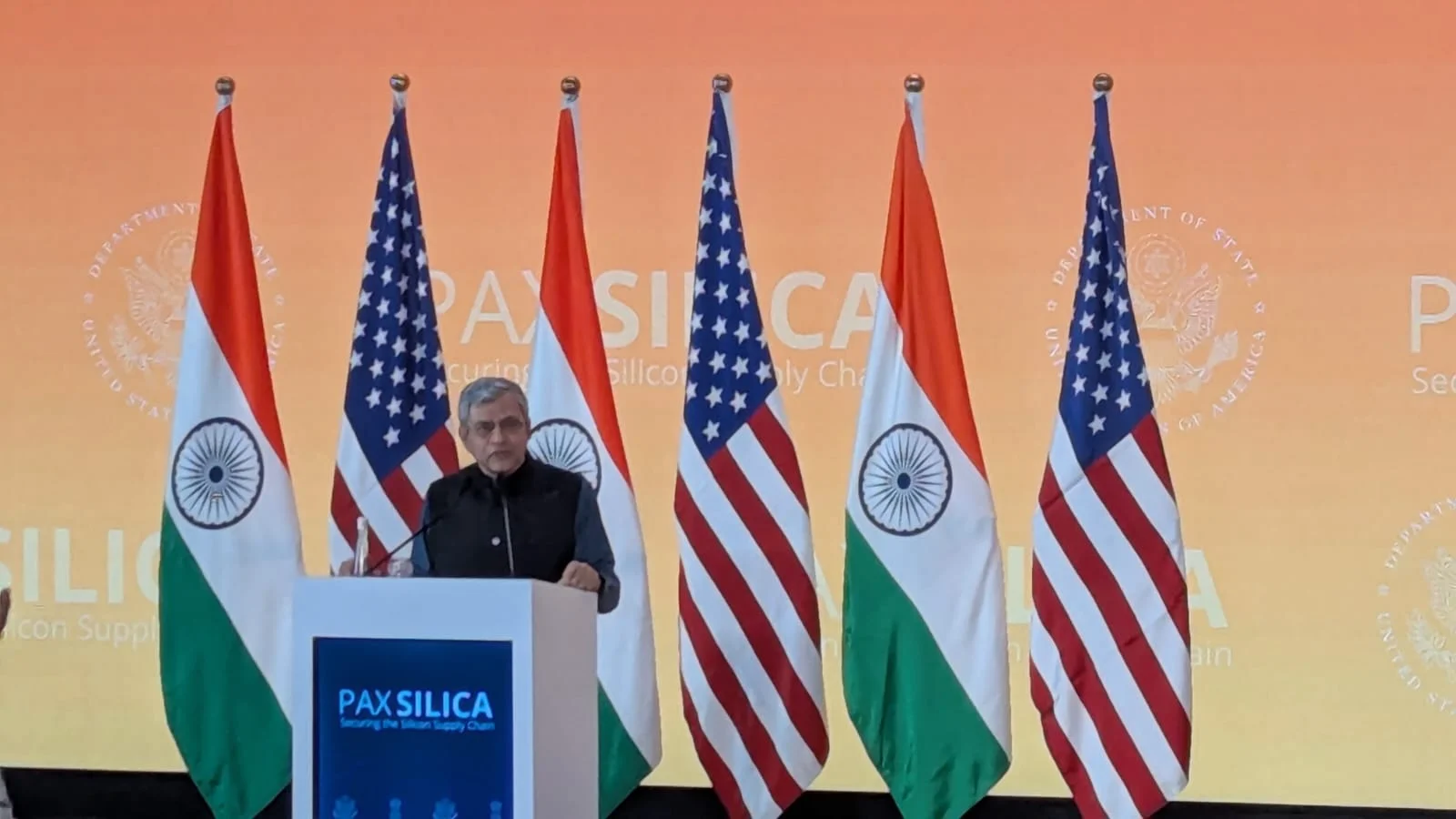
After a hardline stance on deepfakes, Union Minister for Electronics and Information Technology Ashwini Vaishnaw has doubled down on regulating social media platforms, asserting that they must share revenues fairly with content creators and comply with stricter accountability norms.
Speaking at the Digital News Publishers Association Conclave, Vaishnaw said platforms derive substantial value from content produced by journalists, conventional media houses, influencers, professors and researchers, and must therefore ensure equitable revenue distribution across the ecosystem.
He stressed that creators, whether established news organisations or individuals working from remote regions, deserve a rightful share of the income generated through their work. “The principle of fair revenue sharing must now be set right,” he said, underscoring that fairness would strengthen India’s digital content economy.
His remarks come amid tightening oversight of digital platforms. The Ministry of Electronics and Information Technology (MeitY) has enforced amendments to the IT (Intermediary Guidelines and Digital Media Ethics Code) Rules, 2021, aimed at curbing deepfakes and AI-driven misinformation. The amendments came into effect on February 20.
Under the draft rules, major social media intermediaries—platforms with over five million registered users in India, including Facebook, YouTube, and Snapchat—will be required to either prominently label synthetically generated content or embed permanent, non-removable metadata identifiers.
The amended rules mandate a strict three-hour takedown timeline for content deemed illegal by the government or upon receiving a court order. For deepfakes involving nudity and defamation, the takedown timeline is two hours.
At the conference, Vaishnaw further warned that synthetic content must not be created without the consent of the individual whose likeness—face, voice, or personality—has been used. “The time has come to make that big inflectional change,” he said.
Framing the issue as a broader societal challenge, he argued that trust, a foundational principle underpinning media, the legislature and the judiciary, is under strain due to deepfakes and disinformation. The unchecked spread of fabricated images and videos, he cautioned, risks eroding public confidence in institutions and destabilising the social fabric.
The government’s message is increasingly clear: social media platforms must not only share economic value more fairly but also bear greater responsibility for the integrity of the digital public sphere.

Your reaction
Discussion
What's your take on this story?
No comments yet — be the first to share your view.