
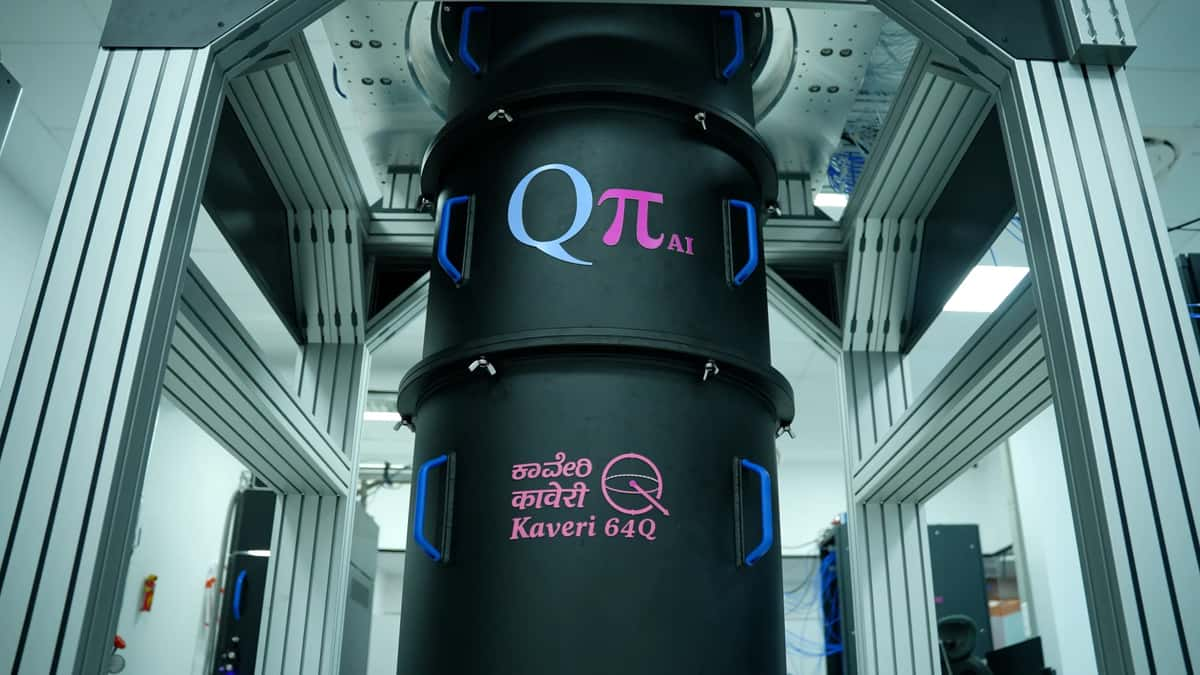

A few years ago, QpiAI was trying to prove India could build a quantum computer. Its early systems were measured in single-digit qubits. It has since moved to 25- and 64-qubit machines, and is now working towards 128 qubits, with 10,000 physical qubits on one QPU (quantum processing unit) as a future target.
Now, the Bengaluru startup wants to turn that qubit race into a business.
QpiAI Founder and CEO Nagendra Nagaraja tells AIM that the company plans an IPO in two to three years—after it reaches $100 million in revenue.
QpiAI recently inaugurated its 8-inch quantum foundry in Bengaluru. The facility forms part of a 70,000 sq ft R&D centre. It combines chip manufacturing, quantum processor testing, and solution development.
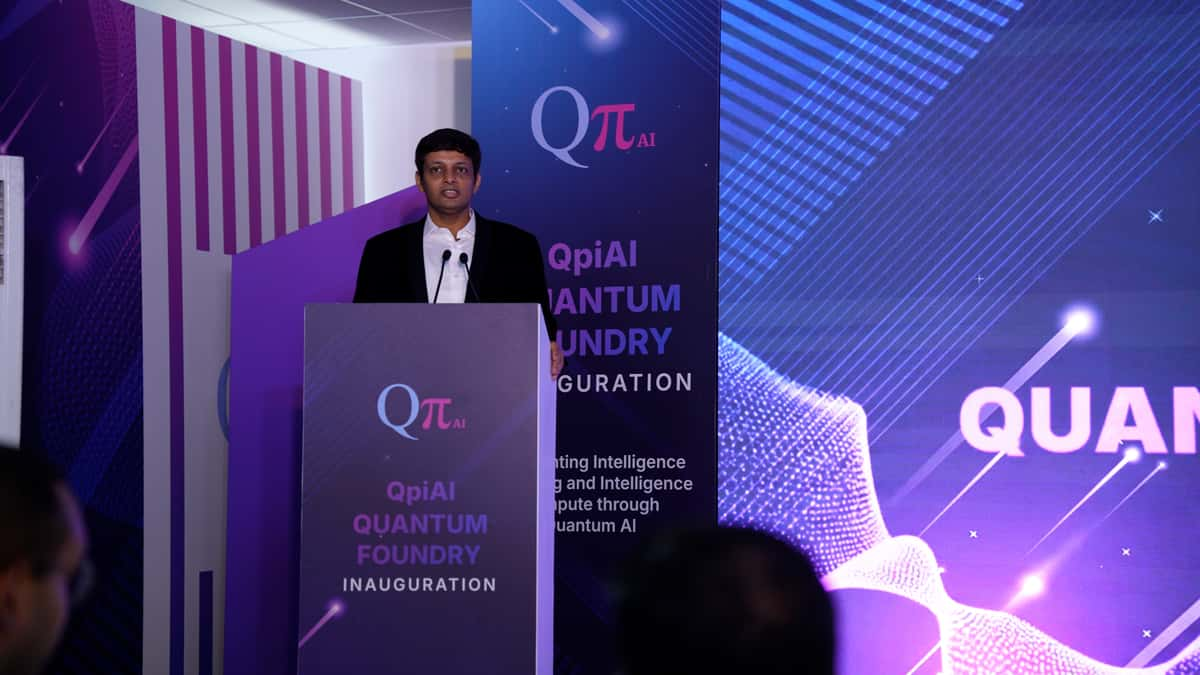
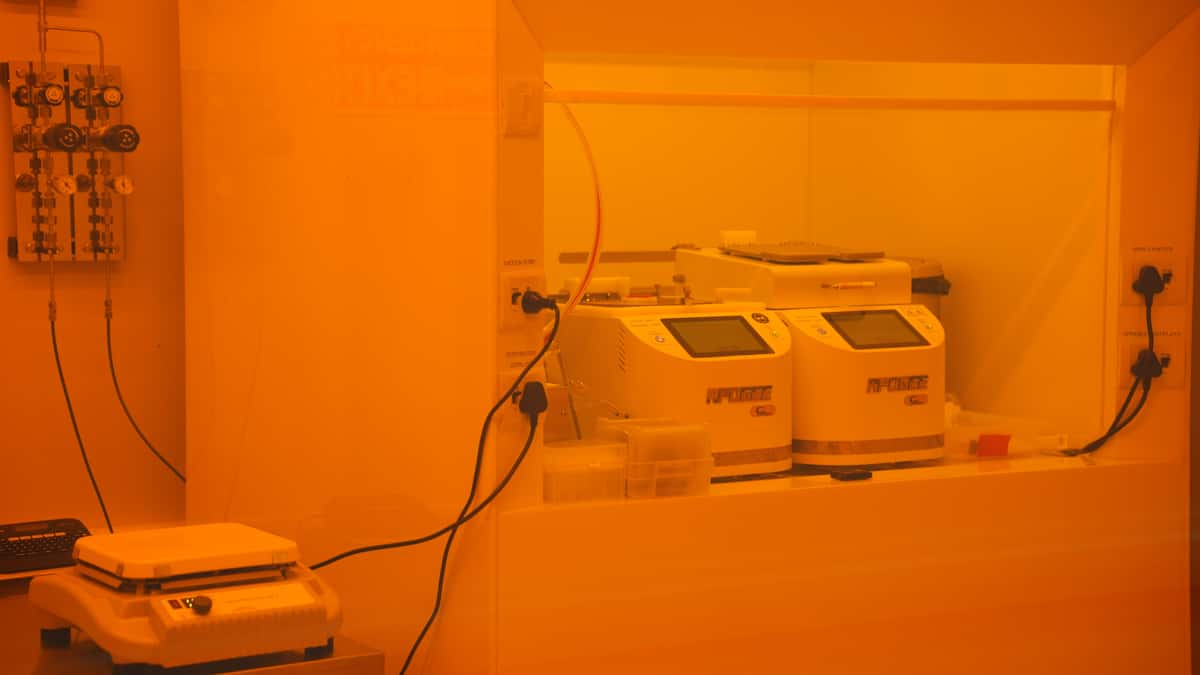
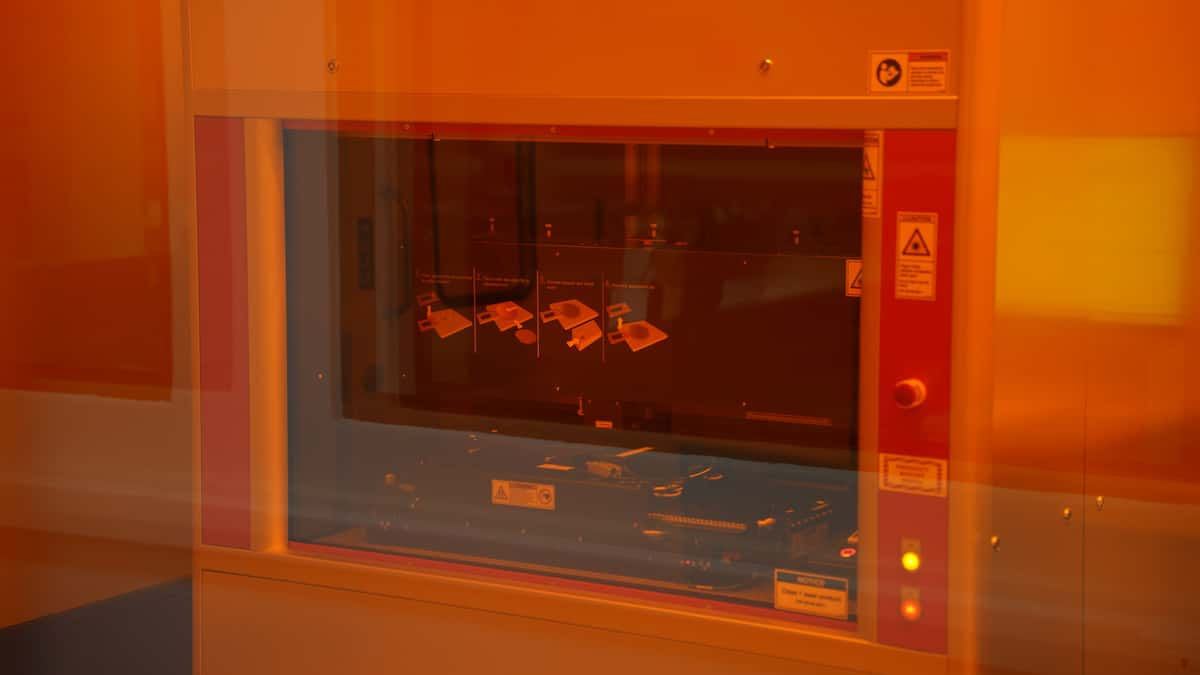
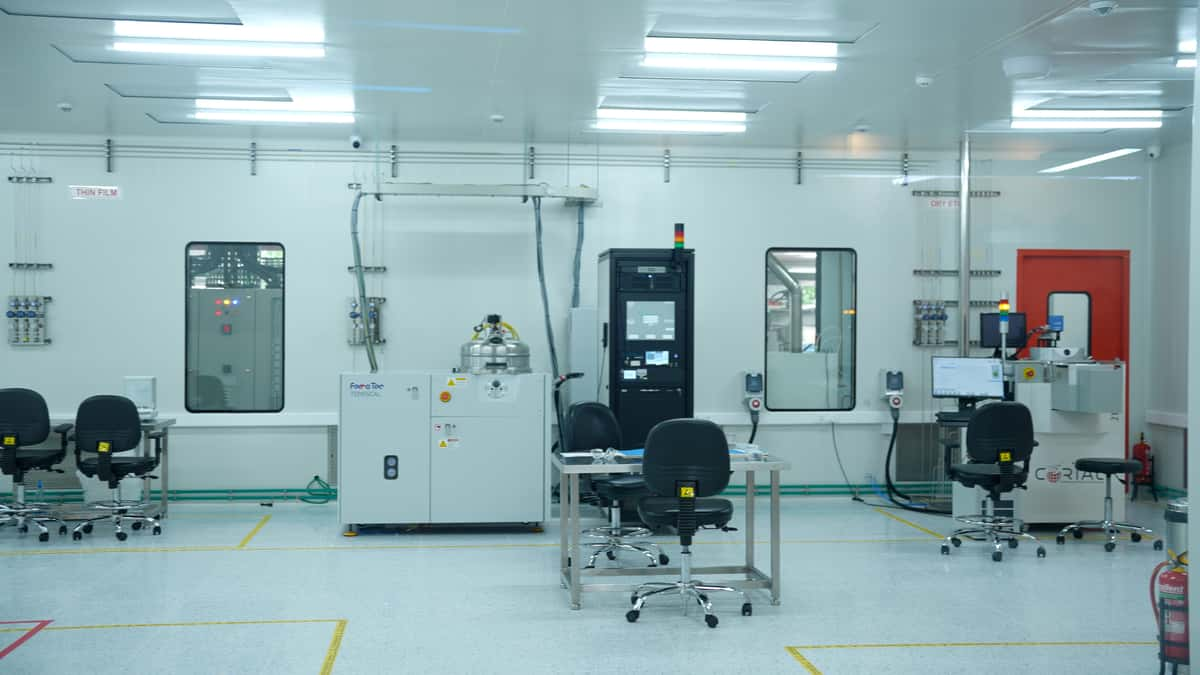

The foundry’s Phase 2 can manufacture flip-chip superconducting qubits up to 128 qubits. QpiAI plans to complete Phase 3 next year. This would allow it to fabricate up to 10,000 physical qubits on a single QPU.
But Nagaraja’s pitch goes beyond larger quantum processors. The company wants to sell access to quantum computing. It also wants to put machines into businesses and build quantum AI data centres.
From Qubits to Customers
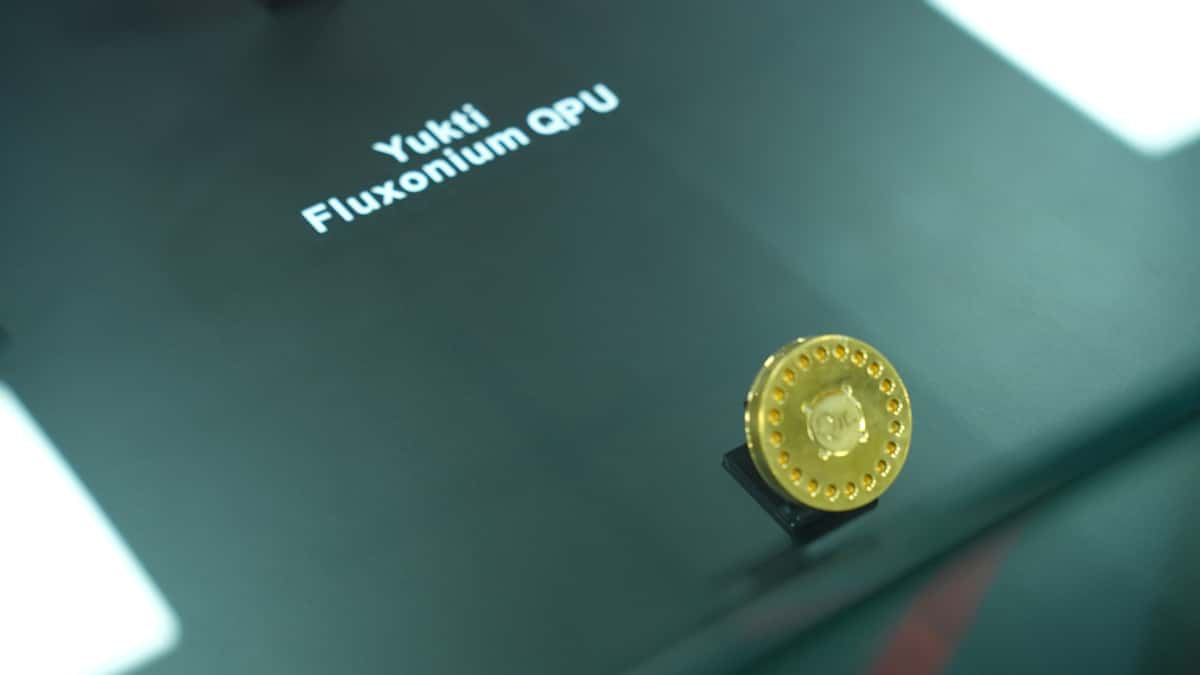
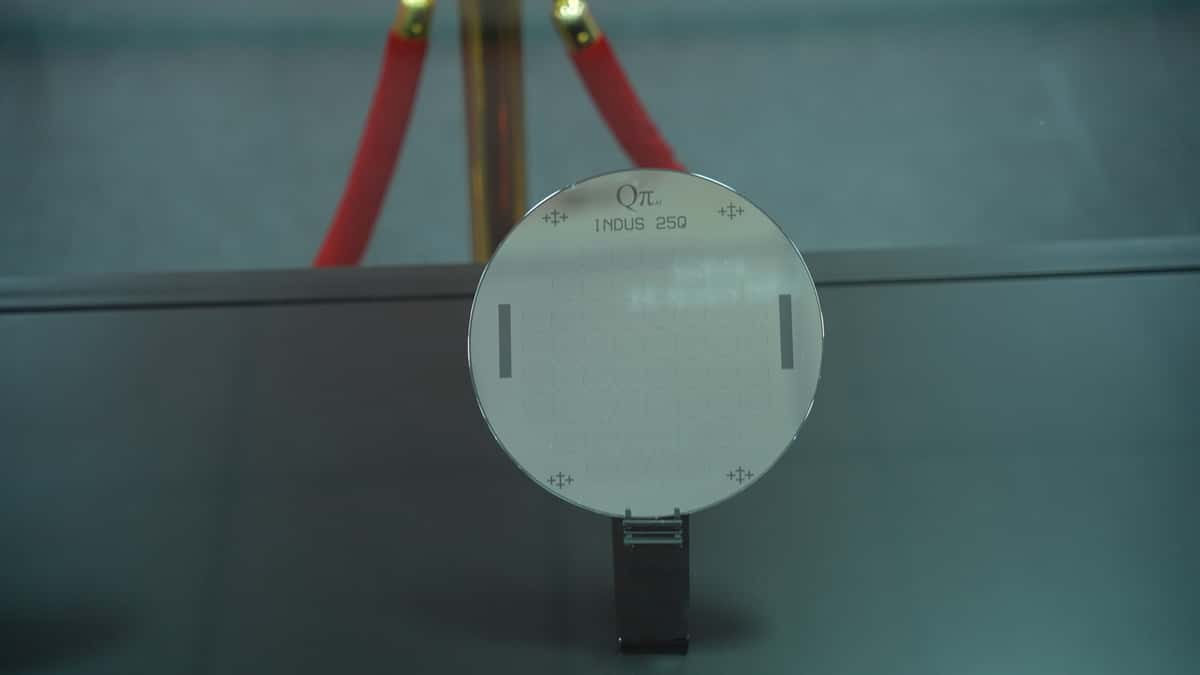
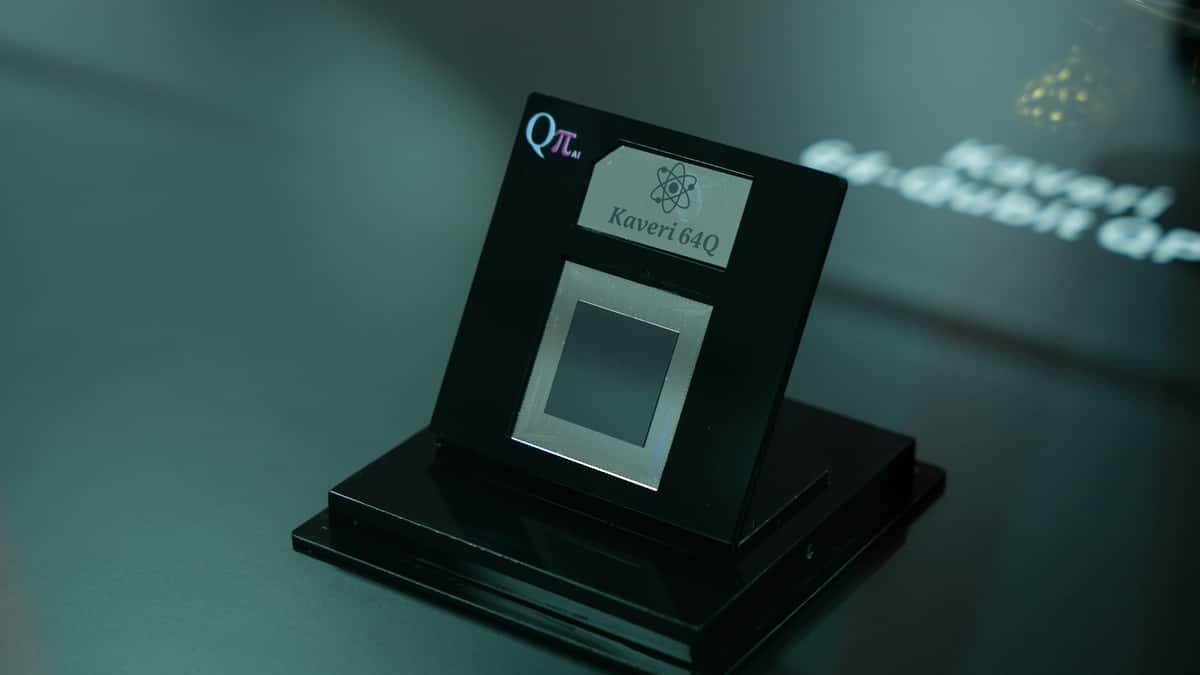
QpiAI has fabricated four QPUs, including its 8-qubit Qvidya, 25-qubit Indus, and 64-qubit Kaveri. It has also built 9-qubit Yukti, based on a variation of fluxonium qubits.
The company is now testing different architectures. Nagaraja said QpiAI wants to connect hundreds of quantum computers in a chassis. That could eventually deliver 10,000 logical qubits.
The immediate focus is commercial deployment. Nagaraja says QpiAI is installing systems at three locations. A 25-qubit system is going to Harvard. The company plans to install its 64-qubit system at its own facility first. Customers will be able to access that system through the cloud.
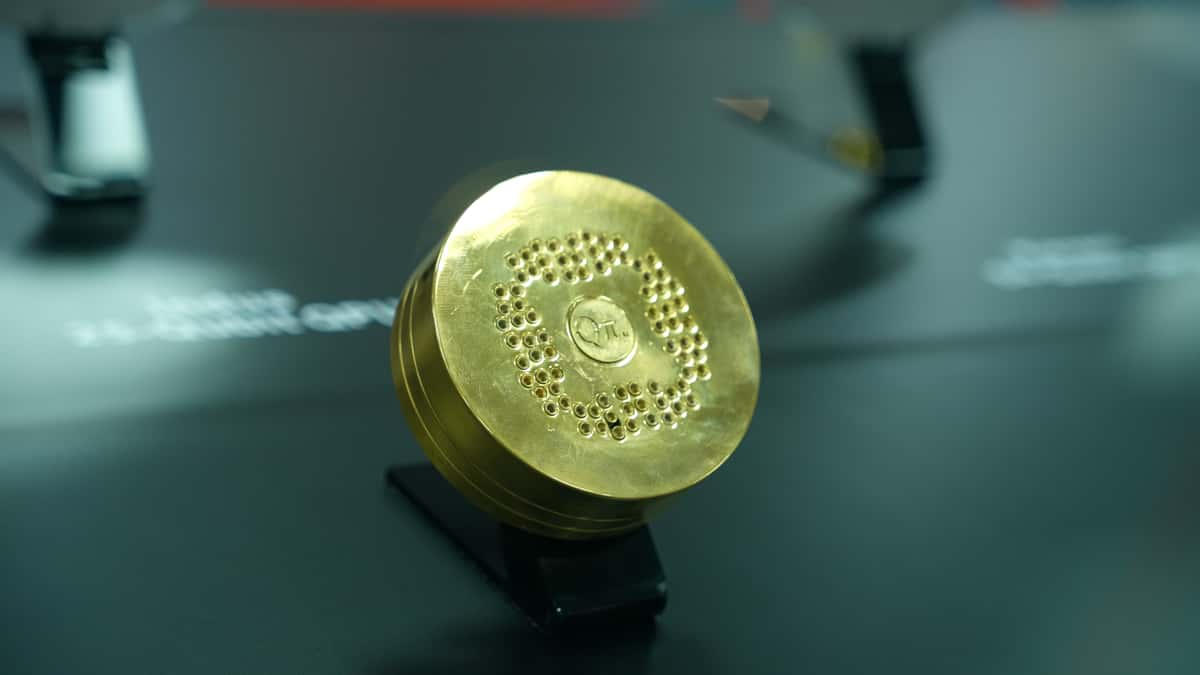
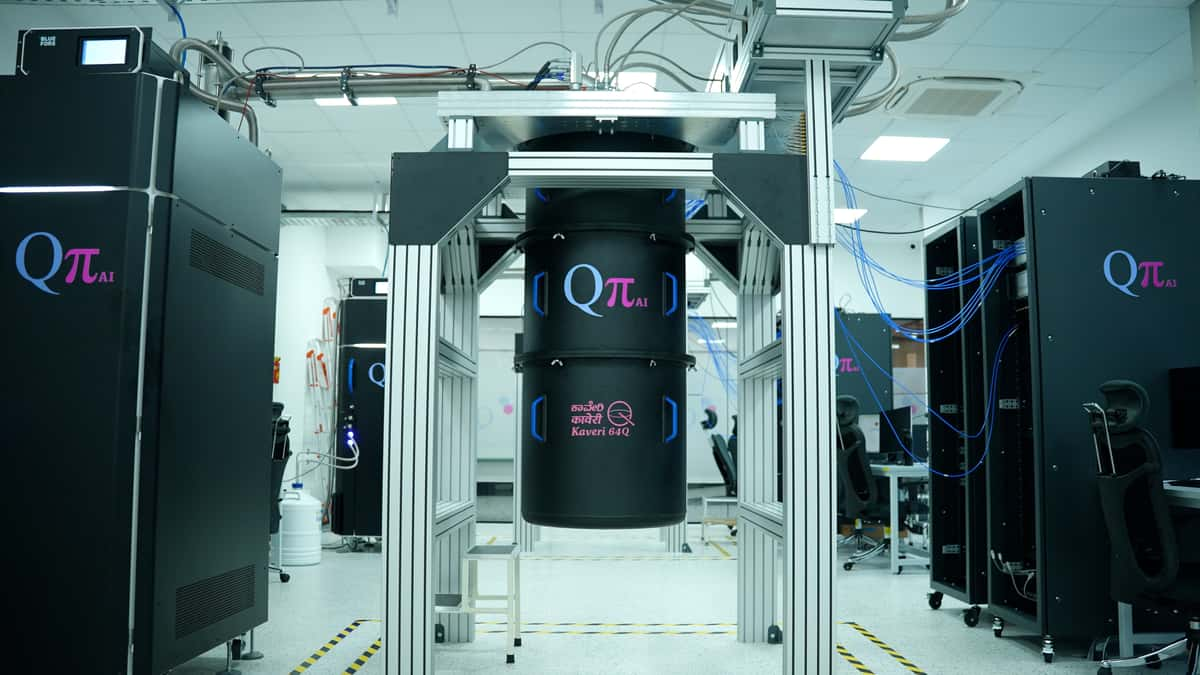
QpiAI is also receiving requests for on-premise installations.
The foundry includes class 100 and 1,000 cleanrooms and is adding more equipment, including an electron microscope and one-of-a-kind optical lithography equipment, as the facility expands. It also has equipment for film coating, etching, inspection, and packaging.
QpiAI also has a dedicated 64-qubit testing setup with controllers and a cryogenic system. It plans to add more fridges as its processors scale. The company is targeting its first logical qubit this year, and the current testing facility can eventually handle systems up to around 300 qubits before QpiAI moves testing to another facility.
The company also wants flexibility in what it manufactures. Nagaraja says the facility can work with superconducting, semiconductor, and photonic technologies. QpiAI plans to use photonic and semiconductor qubits mainly for research, while taking superconducting transmon and fluxonium designs towards production.
Next Problem: Not Enough Chips
Interestingly, Nagaraja does not see chip volume as the immediate constraint. The bigger question is whether QpiAI can improve each chip’s performance. “The quantity bottleneck is a product problem,” he says.
The company is focusing on improving fidelity, coherence times, and error correction, and testing different architectures and materials.
QpiAI uses high-quality silicon wafers sourced from the US and Europe, while Nagaraja says the chip materials are locally available. The company has settled on tantalum and uses niobium for some conductors.
That distinction matters to the company’s larger localisation pitch. “Our aim is to commercialise quantum computers as soon as possible. That will be our end game,” the founder notes.
Nagaraja sees applications, rather than qubit counts, as the real test. The company wants its full stack to enter customer workflows. One example is pharmaceutical manufacturing.
The company expects its model to evolve as systems grow. QpiAI plans to sell 25- and 64-qubit systems. Above that, customers could move towards a full data centre model.
Quantum Data Centres
QpiAI’s next major bet is its Quantum Supremacy Centre (QSC). The company describes these facilities as “Quantum AI factories”. They will combine quantum processors with photonics and AI processors for training and inference.
Its first QSC is planned on 10 acres, with 300,000 sq ft of built-up space. QpiAI also plans four more QSCs outside India.
https://youtu.be/sElMsD_gV1I?si=YjrSPDUQkKlQVn3H
Nagaraja says this data centre model will avoid the power demands associated with large AI data centres. “That’s our central business model. We do not intend to go beyond 100 MW today.”
The approach also targets countries that cannot support gigawatt-scale computing infrastructure. QpiAI wants heterogeneous computing systems that combine different processors within a lower power envelope.
The company’s wider plan includes photonic chips, which its sister company, QpiSemi, is developing. The foundry can also manufacture photonics and semiconductor qubits for research. QpiAI plans to take superconducting transmon and fluxonium qubits into production.
Building the Stack in India
The foundry gives QpiAI more control over a quantum hardware stack that has relied on external fabrication.
Abhay Karandikar, a member of NITI Aayog and Former Secretary for the Department of Science & Technology, Government of India, says the facility allows India to develop systems domestically.
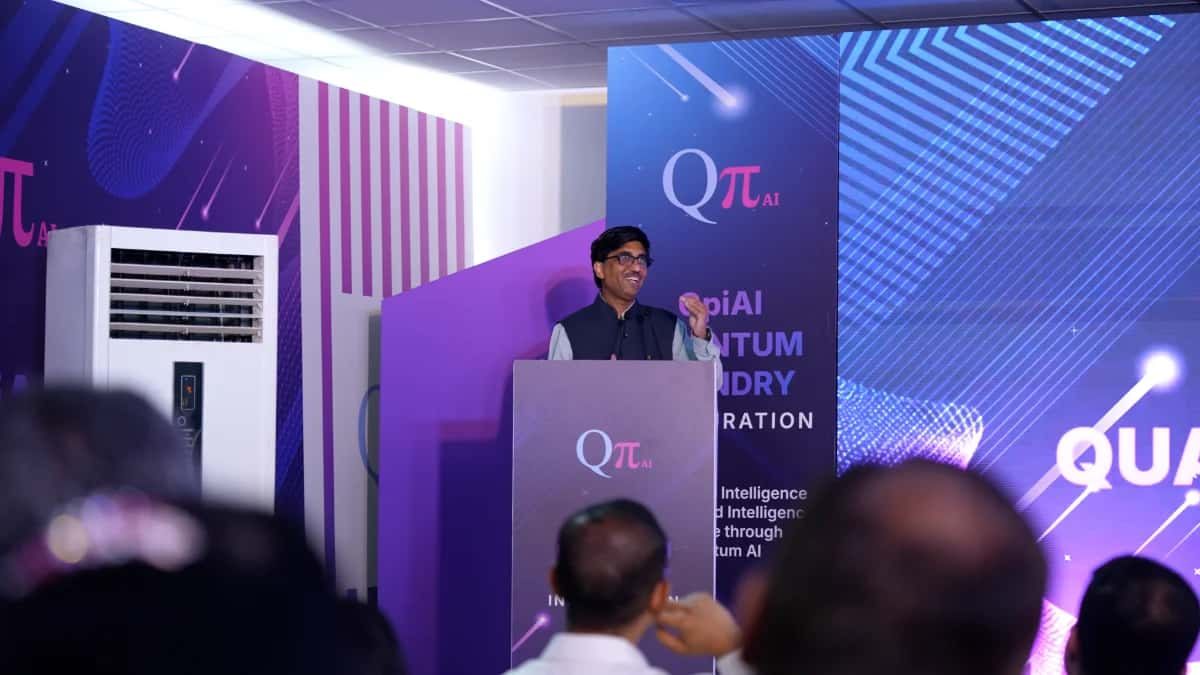
However, the larger challenge is that deeptech companies also need capital through long development cycles. He also points to specialised talent, advanced infrastructure, and market access as other constraints.
The government is using its Research, Development and Innovation (RDI) Fund to address some of these gaps. Karandikar says the ₹1 lakh crore fund is being deployed through second-level fund managers.
The Technology Development Board has already selected 22 startups as its first cohort, and deployed around ₹2,000 crore. It plans to announce another dozen by next month, supporting them with another ₹1,000 crore.
He expects the remaining ₹20,000 crore allocated for the current financial year to be deployed once private investors come into the fund structure.
That capital matters because quantum development does not follow the timelines of conventional software startups. Karandikar says the government also needs to build the talent base and shared infrastructure required to take these companies from prototypes to commercial products.
Not Just About the Numbers
The government is also trying to widen the talent pool. Ajai Chowdhry, Chairman, of the Mission Governing Board for the National Quantum Mission (NQM), says that NQM has approved 27 universities for undergraduate quantum programmes. Each university will also receive funding for a laboratory.
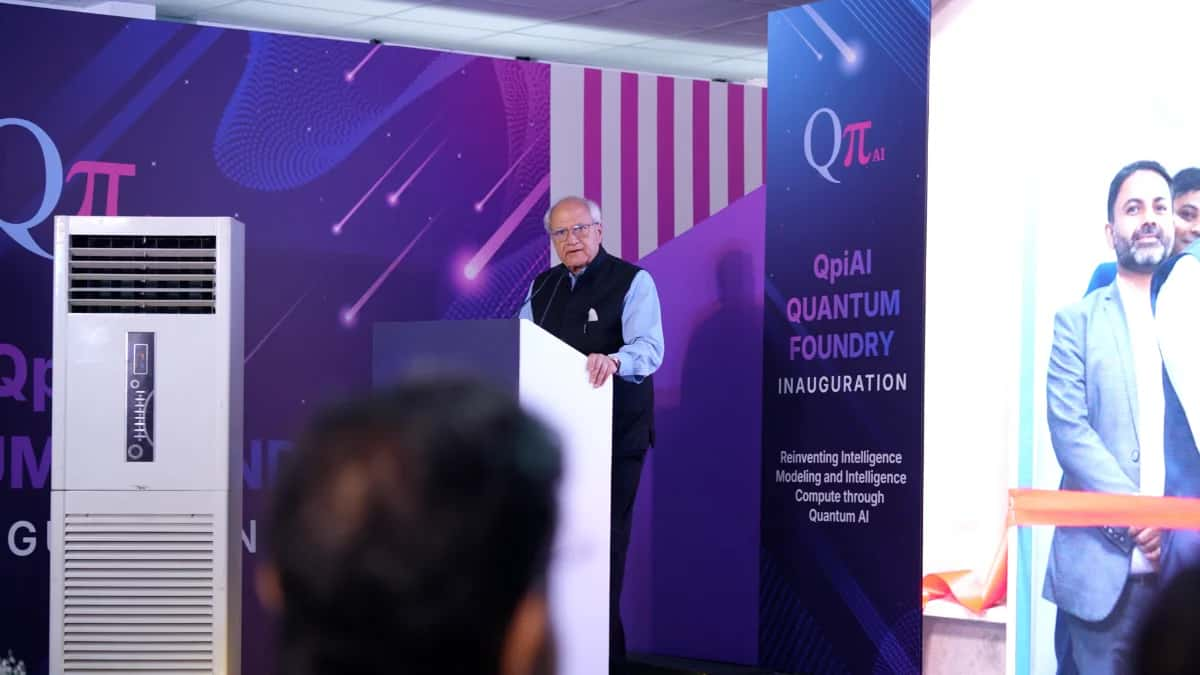
An MS programme is set to begin next month, while an algorithms programme funds researchers working on quantum computing applications.
Karandikar ties the issue of fewer women moving from advanced degrees into research, technology, and industry roles to the budding quantum field.
Quantum also has an advantage in this regard, he says, because some women researchers already working at the forefront of the field can serve as role models. “When you have a woman as a leading researcher that actually inspires other girls and students to take this as a career option,” Karandikar notes.
For Chowdhury, the next phase is about getting quantum technology into real-world systems. NQM has set a target of a 1,000-qubit quantum computer. The mission’s goals include quantum communication, sensing, and related technologies. Chowdhury says the government wants organisations to begin implementing quantum communication and security measures by 2028 and 2029.
“Our thinking is that the quantum security area is going to be the biggest challenge for the country if we don’t implement it,” he asserts, pointing to potential threats from countries like China.
The scale of that transition could also create a new workforce. Chowdhury expects India would need at least 100,000 technicians over the next three to four years to implement quantum security.
That makes QpiAI’s commercial push part of a larger transition. Its foundry aims to produce the hardware. Its data centres are designed to make quantum computing accessible. Its IPO target puts a business milestone on that roadmap.
- From Humanoid Robots to Telecom Trials, 12 Major Announcements at NVIDIA GTC Berlin 2026
- Anyone Can Make a Robot Move, Few Can Make It Stop
- After ISRO’s PSLV Failure, TakeMe2Space Looks to SpaceX for Reliable Launch
- Why AI Agents are the Next Frontier in Quantum Security
- Physical AI Squeezes Labour Market, And Low-Skilled Immigrant Jobs May Be First to Fall
- Rocket Math Isn’t Mathing: Why India’s Space Launches are Expensive