Key takeaways
- C-DAC is launching a 108-qubit superconducting quantum computing facility in Bengaluru as part of India's National Quantum Mission.
- The facility is funded by the Ministry of Electronics and Information Technology and is expected to launch within two to three months.
- Rigetti Computing India is supplying the quantum system, which represents a significant advancement in India's quantum computing capabilities.
- The National Quantum Mission outlines a roadmap for India's quantum technology development through 2032, covering various verticals.
The Centre for Development of Advanced Computing (C-DAC) in Bengaluru is set to launch a 108-qubit superconducting quantum computing facility in Electronics City, Bengaluru, as India steps up efforts to build domestic quantum computing and communication capabilities under the National Quantum Mission (NQM).
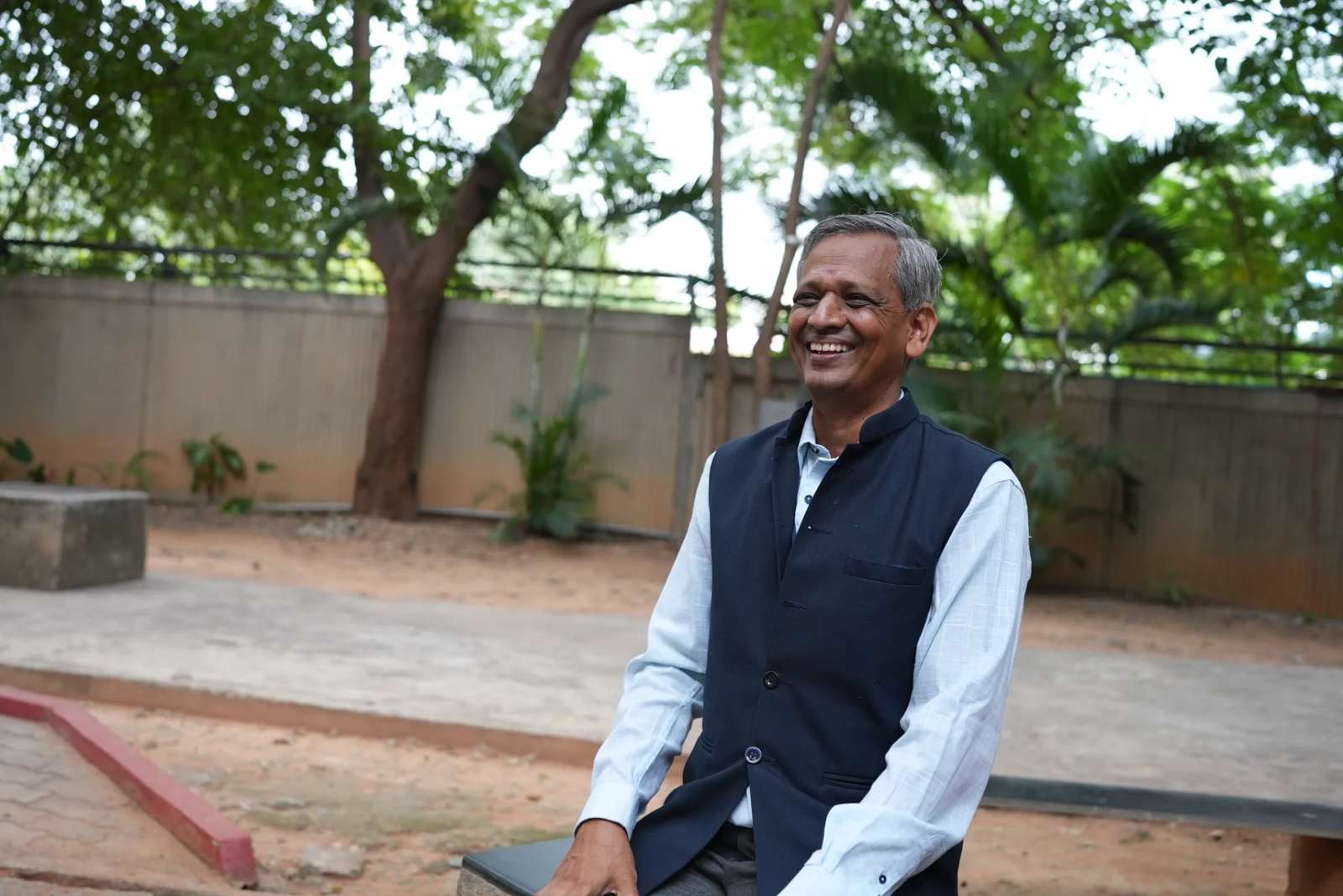
The facility is being developed with funding from the Ministry of Electronics and Information Technology (MeitY), S D Sudarsan, Executive Director of C-DAC Bengaluru, told AIM in an exclusive interview.
Rigetti Computing India P L, a wholly owned subsidiary of Rigetti Computing, will supply the 108-qubit system.
In January, the company announced that it had received an $8.4 million purchase order from C-DAC for the on-premises superconducting quantum computer, which is being installed at C-DAC’s Bengaluru centre.
Sudarsan said that civil works and the computing infrastructure are already in place, with the formal launch expected within the next two to three months.
“So in the next two to three months, you can hear a formal launch of that facility,” Sudarsan said.
The 108-qubit system will be one of the larger superconducting quantum computing installations being developed in India.
Sudarsan said the facility is part of C-DAC Bengaluru’s broader work under NQM, which has set a roadmap for India’s quantum technology development through 2032.
He shared that under the NQM, India’s quantum programme has been divided into four broad verticals covering computing, communication, sensing, and metrology and applications. Each vertical is being led by a different hub.
IIT Madras, in association with C-DOT, is leading the quantum communication hub; IISc Bengaluru is leading quantum computing; IIT Bombay is leading quantum sensing and metrology; while IIT Delhi is leading quantum materials and devices.
C-DAC Bengaluru is a partner in the computing hub and also operates two of the 17 technical groups created under the mission, covering quantum computing and quantum communication.
“Each one has a roadmap to achieve, which includes academia, industry, and the startup ecosystem through real developments and deployments,” Sudarsan said.
Sudarsan pointed to the Amaravati Quantum Valley, where a 130- to 150-qubit quantum computing system is under construction.
Several smaller quantum systems are also being developed across the country. On the photonic computing side, Sudarsan said the Indian Institute of Science Bengaluru has a 12-qubit photonic system in its laboratory, while C-DAC Bengaluru has access to a 6-qubit photonic computing system.
Photonic quantum computers currently occupy significant laboratory space, but Sudarsan expects the size of the technology to become much smaller over time.
C-DAC is also building the software and talent ecosystem around quantum computing.
Its quantum simulator, Quiniverse, developed initially in collaboration with IISc and others, has more than 15,000 users, Sudarsan said. C-DAC is also running quantum courses to train people.
The organisation is simultaneously building quantum communication infrastructure. Around three and a half years ago, C-DAC Bengaluru, IIT Madras and Society for Electronic Transactions and Security (SETS) Chennai established a small quantum key distribution (QKD) network involving five systems. The network has been operational for about three years.
That work is now being expanded into a long-distance quantum communication link between Bengaluru and Chennai. Sudarsan said the fibre has already been characterised and repeaters have been installed, putting the project on track for a demonstration before the end of 2026.
“Before the end of this year, 2026, you will see Bengaluru and Chennai doing a quantum key exchange and communicating on a fibre,” he said.
India has also demonstrated free-space quantum communication through work involving C-DAC Pune, Raman Research Institute in Bengaluru, and the Physical Research Laboratory in Ahmedabad. Private companies and startups are also working on quantum communication technologies.
Beyond quantum computing and communication, C-DAC is working on post-quantum cryptography (PQC), including its application to public key infrastructure and digital signatures.
Spotted an error? Tell our editors. Read our editorial standards and corrections.