
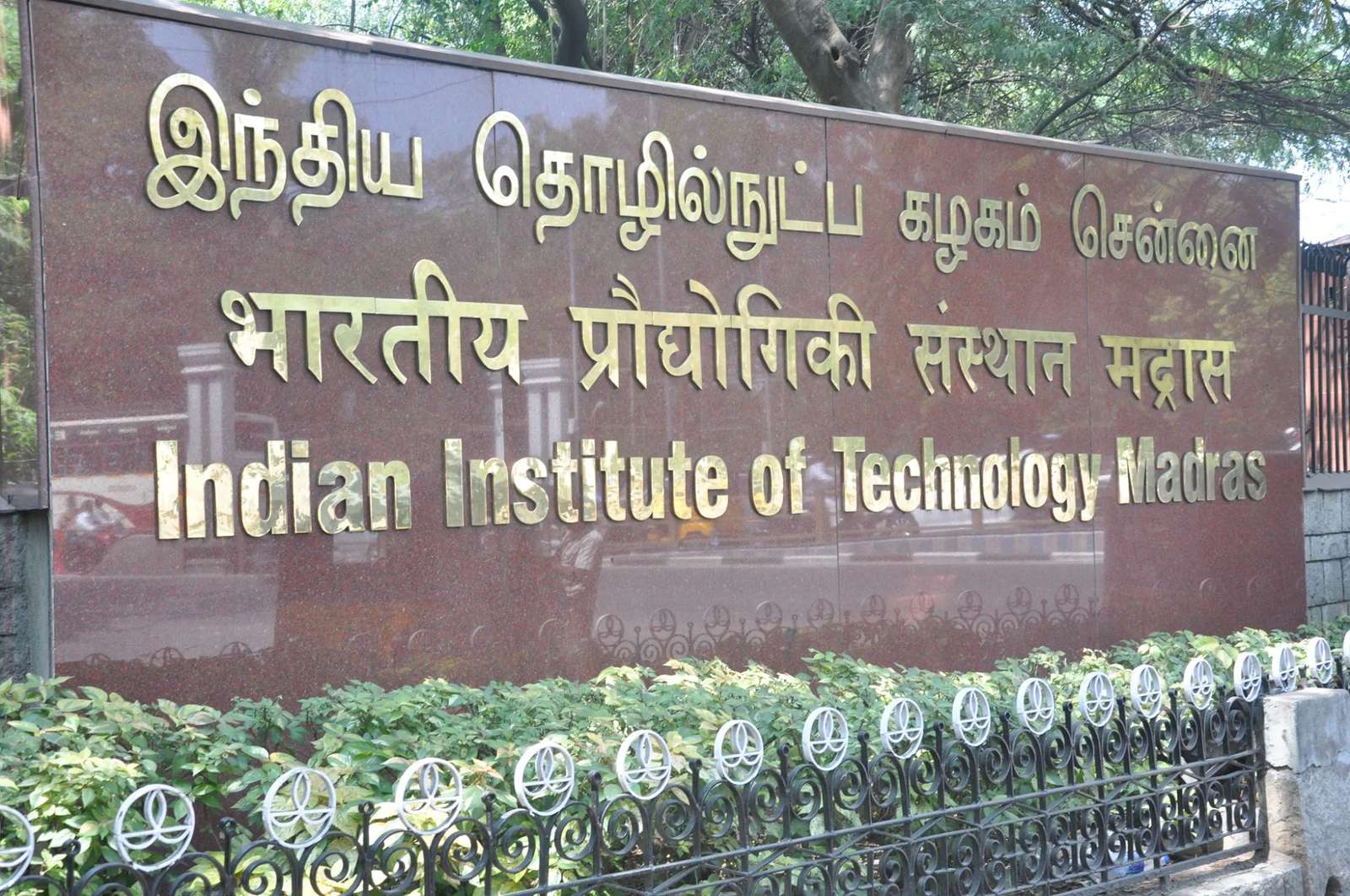
Researchers at the Indian Institute of Technology Madras are using artificial intelligence to study the processes involved in the conversion of biomass to gaseous fuel. The research is led by Dr Himanshu Goyal, Assistant Professor, Department of Chemical Engineering, IIT Madras and Dr Niket S Kaisare, Professor, Department of Chemical Engineering, IIT Madras.
Various models have been built to understand the conversion of biomass into fuels and chemicals. However, a huge delay happens to get these models operational. Artificial intelligence tools such as machine learning (ML) can hasten the modelling processes.
IITM Researchers used Recurrent Neural Networks (RNN) to study the reactions that occur during the conversion of lignocellulosic biomass into energy dense syngas (gasification of biomass).
“Understanding the complex mechanisms involved in the conversion of raw biomass into fuel is important for designing the processes and optimising reactors for the purpose,” said Dr Himanshu Goyal, Assistant Professor, Department of Chemical Engineering, IIT Madras. At the same time, it is pivotal to train the next generation of engineers on high-performance computing and machine learning skills. These skills are needed to address some of the biggest challenges such as developing zero-emission technologies to tackle climate change, he added.
The current availability of biomass in India is estimated at about 750 million metric tonnes and extracting fuel from them can help the country achieve self-sufficiency.
Dr Himanshu Goyal’s Research Group uses AI tools not only for biomass-biofuel conversion studies but also for socially relevant and environmentally beneficial processes such as carbon capture (the capture of CO2 to prevent climate change) and electrification of the chemical industry.
- Meta to Introduce Muse AI Agent in India Starting With ₹1,799 Plan: Report
- Trump Defends Jensen Huang Amid NVIDIA Probe
- Google Launches Two New TPUs for Enterprise Agentic AI Workloads
- Mphasis Raises FY27 Growth Outlook After 9.2% Dollar Revenue Growth in Q2
- Adobe’s CX Enterprise Coworker Gets Embedded Within Leading AI Platforms
- Sarvam AI Appoints Ex-Google Cloud India MD Sashikumar Sreedharan as President and CBO