
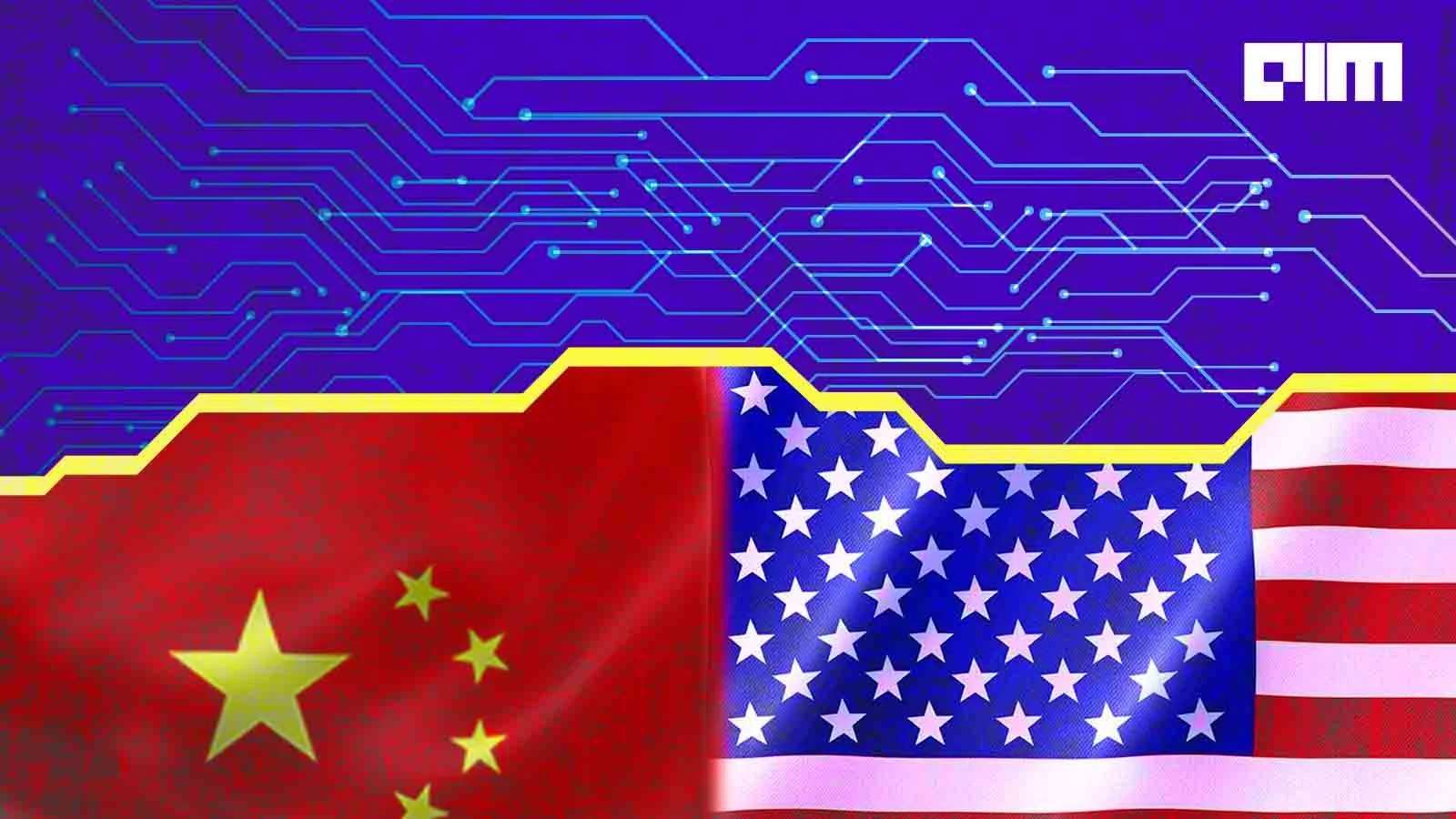
Ex-Google CEO Eric Schmidt said that China is focused on dominating several industries, but as of now, the US still maintains a significant lead in AI.
Speaking at the AI Expo for National Competitiveness, Schmidt said, “In the case of AI, we are well ahead two or three years, probably, of China, which in my world is an eternity.”
However, he did mention that the next roughly twenty years will be focused on national competitiveness as a whole, thanks to China’s focus on dominating certain industries.
Meanwhile, his concern about competing with Europe wasn’t as big, as he believes that they’re more focused on regulating. “There is always a risk of premature regulation. My simplest example there is Europe. You can see that Europe is highly unlikely to be relevant. And the rest of the world is not focused enough on this,” he said.
He said that the biggest obstacle right now for China is the shortage of chips, which makes sense. The country has been slapped with several sanctions like NVIDIA’s H100, A100 and then A800, specifically to prevent the flow of semiconductor chips into its industries.
But whether this has actually worked or not, is another story altogether. Meanwhile China has still managed to remain a priority in other areas as well, as evidenced by Elon Musk recently skipping over his visit to India.
Schmidt remains optimistic, however, saying, “We’re the likely winner if we don’t screw it up.” In what could affect this balance, Schmidt maintains that pre-mature regulation would be likely.
However, with most American companies voluntarily committing themselves to AI safety, Schmidt says, the need for regulations is not as necessary. “I would expect in the next ten years, you’ll see regulations in some of these spaces because of potential harm. So we’re okay at the moment,” he concluded.
- Adobe’s CX Enterprise Coworker Gets Embedded Within Leading AI Platforms
- Sarvam AI Appoints Ex-Google Cloud India MD Sashikumar Sreedharan as President and CBO
- EXL Acquires Aimpoint Digital, Adds 250 AI and Data Experts
- Coforge Joins SpaceX Network to Develop Industry-Specific Grok Applications
- India’s Office Workforce to Reach 48 Mn by 2030 as AI Reshapes Demand: Report
- NSE Launches Stock Discovery Platform, Adds AI Features