
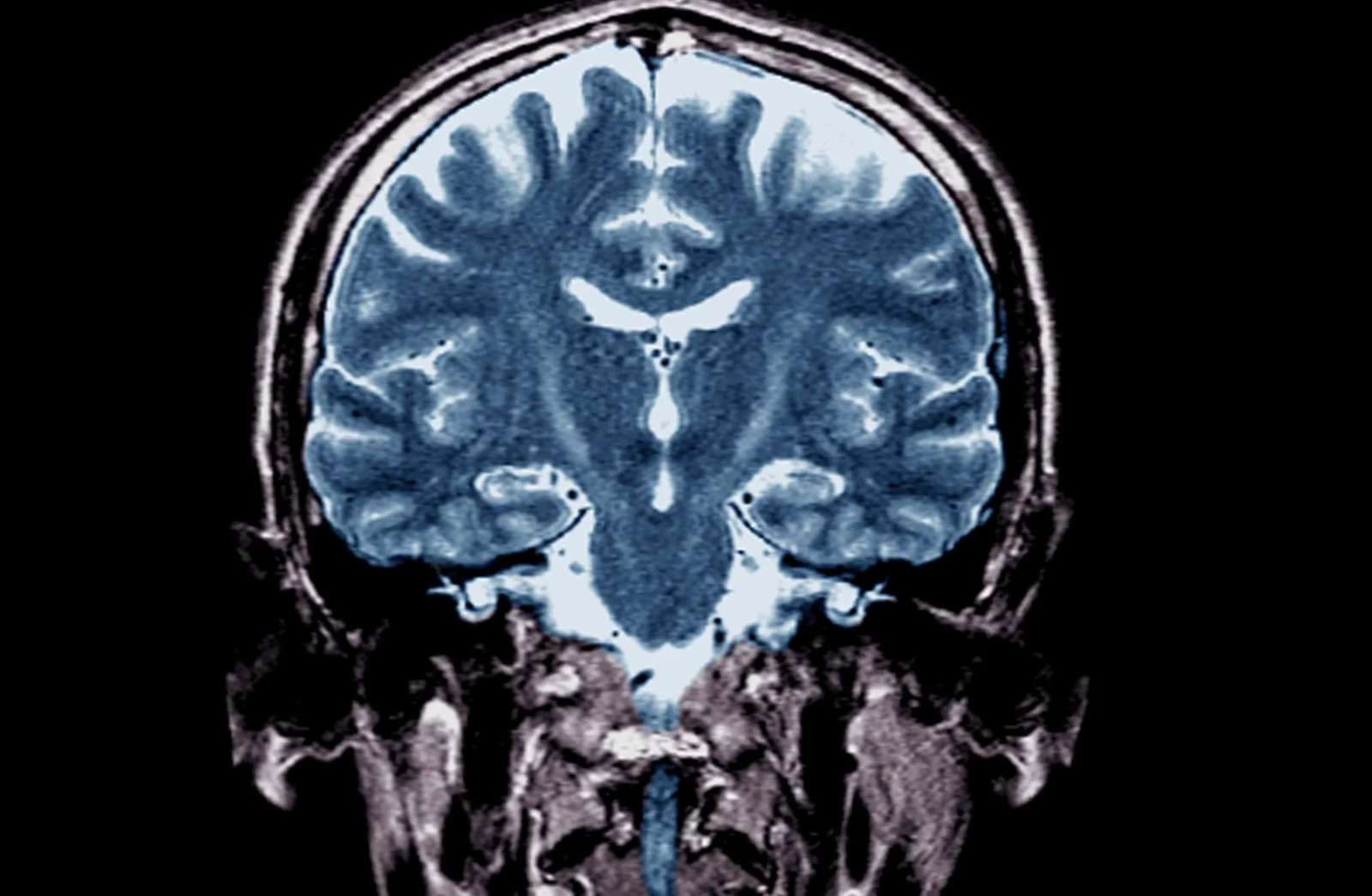
Researchers from the University of Sheffield and the Stanford University School of Medicine have designed a machine learning tool to identify risk genes for motor neurone disease. The tool named RefMap, has already been utilised to discover 690 risk genes for motor neurone disease.
Dr Johnathan Cooper-Knock, from the University of Sheffield’s Neuroscience Institute, said: “This new tool will help us to understand and profile the genetic basis of MND. Using this model we have already seen a dramatic increase in the number of risk genes for MND, from approximately 15 to 690. Each new risk gene discovered is a potential target for the development of new treatments for MND and could also pave the way for genetic testing for families to work out their risk of disease.”
The 690 new genes identified by RefMap lead to a five-fold increase in discovered heritability, a measure which describes how much of the disease is due to a variation in genetic factors.
“RefMap identifies risk genes by integrating genetic and epigenetic data. It is a generic tool and we are applying it to more diseases in the lab,” Sai Zhang, PhD, instructor of genetics at the Stanford University School of Medicine said.
Michael Snyder, PhD, professor and chair of the department of genetics at the Stanford School of Medicine and also the corresponding author of this work added: “By doing machine learning for genome analysis, we are discovering more hidden genes for human complex diseases such as MND, which will eventually power personalised treatment and intervention.”
- Amazon Warns Engineers Against AI Productivity Traps in Latest Memo
- Gnani AI Launches Prisma v3.0 Speech Recognition Model for 10 Languages
- Venttup Raises $3 Million To Expand Precision Manufacturing
- Articul8 Launches Bivia To Help Enterprise AI Agents Make Decisions
- NVIDIA Launches Open-Weight Transcription Model for 40 Languages
- Sarvam AI Rolls Out Indus Cowork to 2,500 Maharashtra Govt Officials