Anthropic Unleashes 'SaaSpocalypse' on Indian IT Stocks. Why AI Panic is Here to Stay
By Pallavi Chakravorty ·
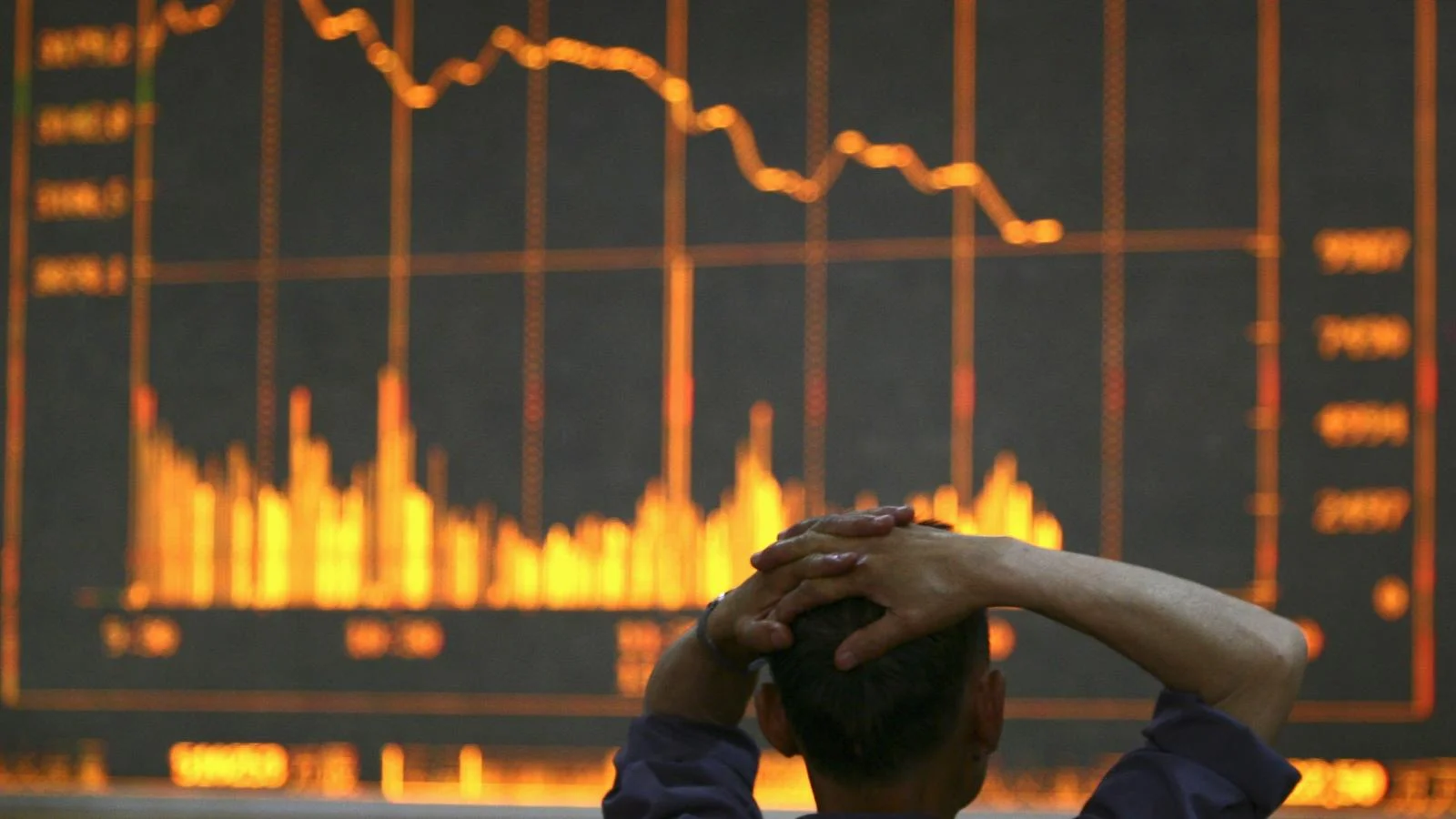
On Wednesday morning, Dalal Street was in shock. Indian IT stocks fell faster than investors could hit the sell button, with the Nifty IT index falling nearly 6% on the opening bell.
Heavyweights such as Infosys and TCS took massive hits.
Infosys, India's second-largest IT firm, plunged over 7.2% during the day, marking its steepest decline in over two-and-a-half years. Tata Consultancy Services saw its m-cap erode by over Rs 70,000 crore, while shares of both Tech Mahindra and Wipro were down around 4% each.
The cause of this chaos is Anthropic’s new offerings.
Anthropic recently launched 11 plug-ins for its Claude Cowork agent, a move designed to automate tasks across legal, sales, marketing, and data analysis functions. These are the areas where companies have largely relied on SaaS tools.
Simply put, AI is now capable of doing the work that software subscriptions once powered. It is now threatening SaaS business models, with investors losing confidence and looking for the exit en masse—what brokerage firm Jeffries described as “SaaSpolcalypse”.
What Rattled Indian IT Stocks?
Claude Cowork’s latest upgrades, which triggered the IT stock slump, can automate tasks across sales, legal, and financial analysis.
In fact, JPMorgan cited these tools as the very reason why SaaS IT companies were in trouble. In a February 3 note, JPMorgan analysts wrote, “The latest catalyst (in the software stock sell-off) appears to be Anthropic's release of many Plugins for its Claude Cowork product. The Plugins currently focus on departments including legal, sales & marketing, finance & accounting, data analysis, productivity and search.”
“The main trend being observed is the evolution of Claude from a chatbot that answers text-based questions to an agent that executes labour across your Mac’s local files and browser,” the investment bank added.
The plugins, however, are not the only reason behind the crash.
Indian IT stocks were already trading at stretched valuations. Deal ramp-ups are slow, global clients are cautious, and discretionary tech spending in the US and Europe is still weak.
Investors, already nervous, reacted immediately to fears that the tool may dampen overseas demand—crucial for a sector that earns most of its revenue from global clients.
Sridhar Vembu, Chief Scientist of SaaS company Zoho, acknowledged that SaaS companies are particularly vulnerable when it comes to AI-assisted coding. “An industry that spends vastly more on sales and marketing than on engineering and product development was always vulnerable. The venture capital bubble and then the stock market bubble funded a fundamentally flawed, unsustainable model for too long. AI is the pin that is popping this inflated balloon,” he posted on X.
In a conversation with AIM, K Ganesh, a serial entrepreneur and promoter of companies including BigBasket, Bluestone, HomeLane, and FreshMenu, notes SaaS and IT Services are going to be severely impacted by the rise of AI. “When anyone can build custom software for themselves, the need for SaaS solutions and large-scale buildouts with armies of engineers has gone down a lot. Every company now expects very fast turnaround times and low cost for custom-built software.”
AI Boom Leaves Investors Worried
The panic does not mean the Indian IT model is obsolete. Companies have been ramping up investments in cloud, automation, and AI-led services, and investors want to see how fast Indian firms can adapt to the AI era.
While Indian IT firms are among the most globally competitive, equipped with the talent, scale, and client relationships needed to integrate AI into their offerings, they need to reassure investors that the next decade of outsourcing will still have India at its core.
Deepak Shenoy, CEO, Capitalmind AMC, says, “These companies will need to upskill to become the AI orchestrators of choice. AI is changing the game. You'll need fewer people to do a project, and less middle management.”
Volatility, however, is here to stay. Every new AI announcement will test market nerves. But is there a way out for Indian IT?
“The way out for IT in the short run is to partner with AI companies to accelerate their own buildouts, but the large margins they have been enjoying are at risk now,” Ganesh adds.
Meanwhile, Nvidia CEO Jensen Huang has dismissed fears that AI will replace software and related tools, calling the idea “illogical”. Speaking at an artificial intelligence conference in San Francisco hosted by Cisco Systems, Huang reassured that AI will continue to rely on existing software rather than rebuild basic tools from scratch.
Despite the IT sector seemingly hit by Claude’s plug-ins, Ashok Soota, Chairman & Chief Mentor, Happiest Minds Technologies – an IT Services firm, described Claude as a catalyst for growth. “There is a lot of excitement around AI platforms and plugins, and rightly so since that they drastically lower the entry barrier for creating software. However, this does not reduce the need for companies like ours. In fact, it enhances the same.”
Layoffs Next?
Given that the fortunes of IT services companies are changing, there’s now a lot of chatter around possible layoffs. Although Indian IT giants like Infosys and TCS have not publicly indicated or implied that mass layoffs are imminent, the industry, in a way, is already seeing job cuts. In 2025, Indian IT giants reportedly added just 17 net jobs, largely due to TCS laying off 30,000 employees. Meanwhile, hiring has slowed down, and roles vacated by IT employees are not being replaced.
Meanwhile, Big Tech stocks also plunged amid the wider panic.
AI heavyweights Nvidia and Microsoft saw their share prices fall almost 3% each, while Alphabet dropped 1.2% ahead of its results on Wednesday. Amazon shares declined 1.8% ahead of its Thursday results. Salesforce and Adobe fell around 7%. Girish Mathrubootham-led Freshworks’ shares were decimated at the end of trading on February 3.