OpenAI’s New Product Isn’t a Frontier Model—It’s Influence
By Siddharth Jindal ·
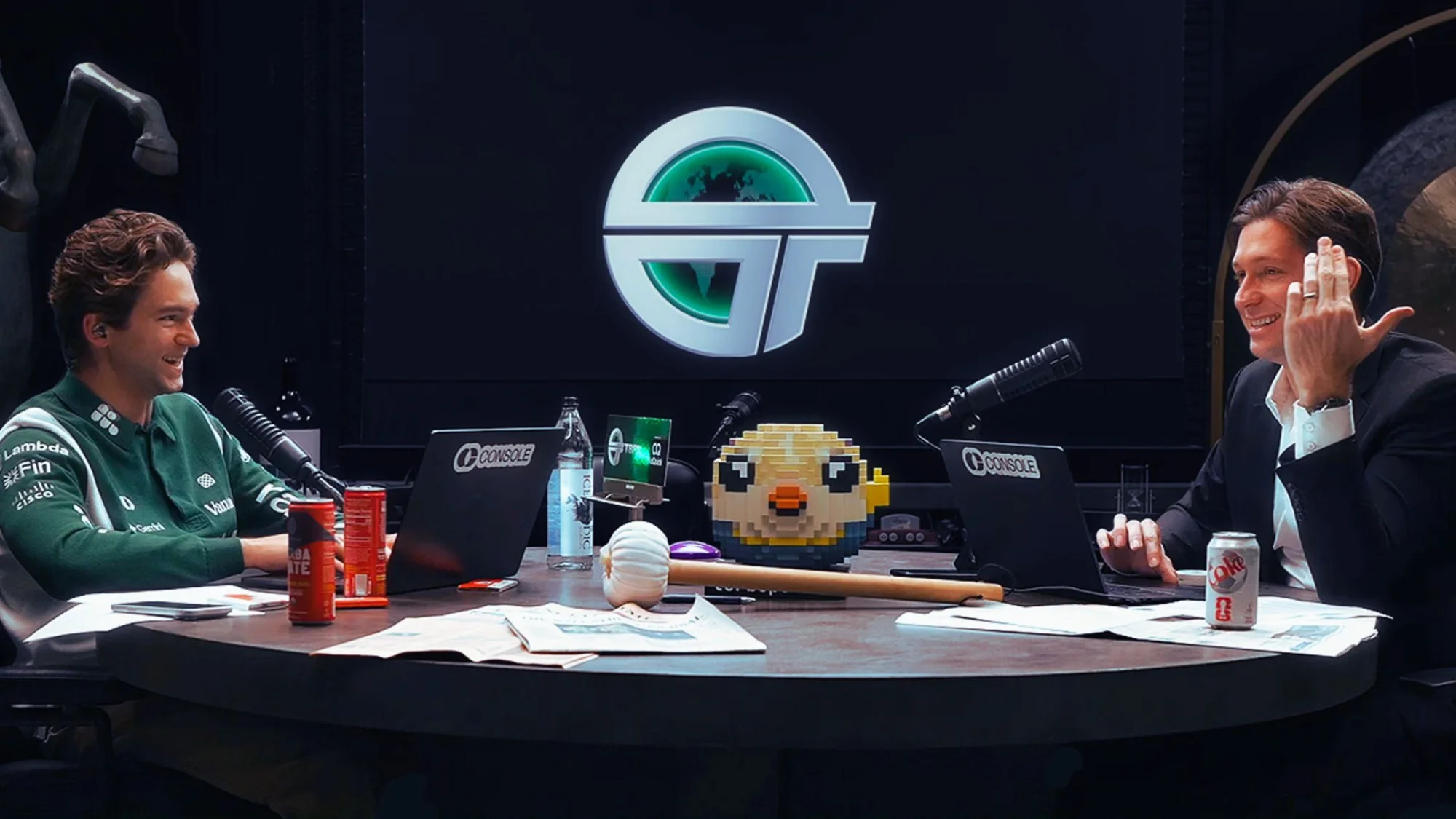
In an astonishing move, OpenAI has acquired TBPN (Technology Business Programming Network), a live, daily tech talk show and podcast focused on AI, startup culture, and tech developments.
The acquisition gives OpenAI wider access to tech enthusiasts beyond developers and enterprise users. It allows the company to communicate more effectively with policymakers, creators, businesses, and the general public.
TBPN’s team, including its co-founders and staff, will join OpenAI as part of the acquisition. The deal is reportedly for over a $100 million, according to a Financial Times report.
Founded in 2024 by John Coogan and Jordi Hays, TBPN airs weekdays from 11 am to 2 pm PT (11:30 pm to 2:30 am IST).
The company quickly built a strong guest lineup from Silicon Valley and the global tech ecosystem. Notable guests included Mark Zuckerberg, Marc Benioff, Satya Nadella, and Marc Andreessen.
OpenAI plans to leverage TBPN’s communications and marketing capabilities to improve how it explains AI’s impact to users. The company said that traditional corporate communication approaches are insufficient given the scale of technological change driven by AI.
Fidji Simo, CEO of AGI Deployment at OpenAI, said in a statement that the acquisition brings a team with experience in editorial programming, audience engagement, and hosting discussions across technology, business, and culture.
TBPN said it will continue to operate with editorial independence, retaining control over its programming and guest selection.
“We want them to keep that going and for them to do what they do so well. I don't expect them to go any easier on us, am sure I’ll do my part to help enable that with occasional stupid decisions,” said OpenAI CEO Sam Altman, in a post on X.
TBPN will be integrated into OpenAI’s strategy organisation and report to Chris Lehane, Chief Global Affairs Officer at OpenAI.
“While we’ve been critical of the industry at times, after getting to know Sam Altman and the OpenAI team, what stood out most was their openness to feedback and commitment to getting this right,” Hays said.
“Moving from commentary to real impact in how this technology is distributed and understood globally is incredibly important to us,” he added.
Compromised
TBPN, despite averaging only around 70,000 viewers per episode, had built a highly profitable business, generating about $5 million in ad revenue in 2025 and projecting over $30 million in 2026, with a lean team of roughly 10–11 employees, per the Wall Street Journal.
However, some experts believe the channel could lose credibility following the acquisition. Neil Cybart, a tech analyst and Founder of research service Above Avalon, believes TBPN may face new headwinds as it has effectively lost its independence.
“I’m sceptical Mark Zuckerberg will want to invite TBPN (i.e. OpenAI employees) to his events. The same dynamic would apply to other OpenAI competitors, considering whether to appear on TBPN. Instead, the show could end up with a guest list filled with OpenAI friends, family, and supporters,” he wrote on X.
On the contrary, Anthony Pompliano, Founder and CEO of Professional Capital Management and host of The Pomp Podcast, argued that OpenAI is tapping into TBPN’s marketing expertise.
“These guys are some of the smartest, most experienced marketers on the internet right now. They understand how to win the vibe war while making everyone love them,” he wrote on X. He added that OpenAI needs users to pay for the high compute costs, yet they need to make AI less scary and threatening.
OpenAI is Not Alone
Several startup founders have moved into media, recognising the power of owning distribution alongside building companies.
Billionaire Elon Musk is perhaps the most prominent example, having acquired X (formerly Twitter) and repositioned it as a platform for real-time information and creator-led content.
Amazon founder Jeff Bezos purchased The Washington Post for $250 million in 2013, bringing a legacy newsroom under the ownership of a technology entrepreneur.
Y Combinator President Garry Tan has also leaned into media through interviews and founder storytelling to influence startup culture. He regularly appears on the Lightcone podcast.
TBPN’s acquisition is a win-win for OpenAI. Owning a media platform allows it to control how its innovations are contextualised. Instead of relying solely on third-party coverage, the company can now produce its own explainers, stories, interviews, and educational content, potentially shaping public perception more directly.