
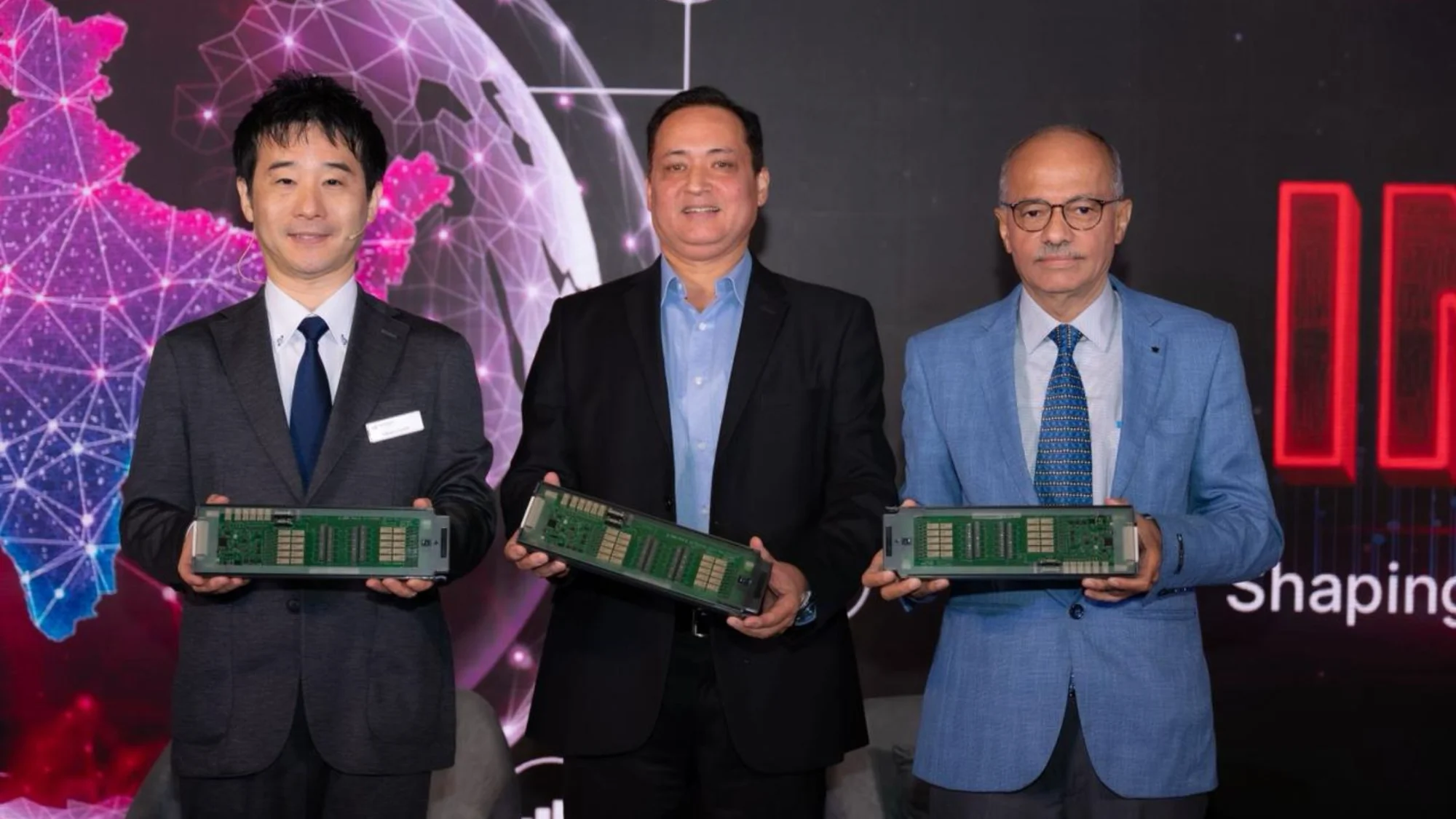
Keysight Technologies, a provider of electronic design, emulation, and test solutions, will begin local manufacturing in Chennai, India, to expand its global production network and serve mission-critical industries, the company said in a statement.
The move targets sectors such as aerospace and defence, semiconductors, research, and academia, and aims to streamline access to test and measurement equipment for customers in India and abroad.
The company will roll out the facility in phases, focusing on the production of test equipment for both domestic and global markets. The expansion aligns with national programmes such as Make in India, India Semiconductor Mission, and the National Quantum Mission (NQM), and seeks to strengthen supply chains while meeting rising demand for advanced technologies, the company said.
“India is entering a once-in-a-generation innovation decade,” Sudhir Tangri, Vice President and General Manager, Asia Pacific at Keysight, said in a statement. “Establishing local manufacturing allows Keysight to better support customers in India while strengthening our global supply chain.”
India’s electronics manufacturing sector is expected to cross $300 billion by 2026, driven by domestic production and research activity, the Ministry of Electronics and IT noted in a roadmap last year. Keysight said the growing demand for high-precision testing tools across industries influenced its decision to set up local manufacturing.
The facility will support semiconductor development through design validation and production testing as India expands its chip ecosystem. It will also cater to quantum computing research under the NQM and provide test solutions for defence systems, including radar and satellite technologies.
Keysight said the unit will also help accelerate work on 5G and future 6G infrastructure, as well as on AI systems and data centres. Universities and national laboratories will gain access to testing tools for engineering research and scientific work.
It will continue working with government agencies, research institutions, and engineering universities to support technology development. The investment forms part of its broader strategy to expand in high-growth markets and support next-generation computing and communication systems.

Your reaction
Discussion
What's your take on this story?
No comments yet — be the first to share your view.