Key takeaways
- The US military aims to have more robotic soldiers than human ones by 2025, highlighting a shift in modern warfare.
- Combat robots are being developed to reduce loss of life and provide support, signalling a potential arms race in robotics.
- Future warfare is expected to involve operators controlling machines rather than traditional soldier-to-soldier combat.
- The evolution of warfare technologies, including drones and combat robots, is reshaping battlefield strategies.
- India is also working to compete in the rapidly advancing field of military robotics.
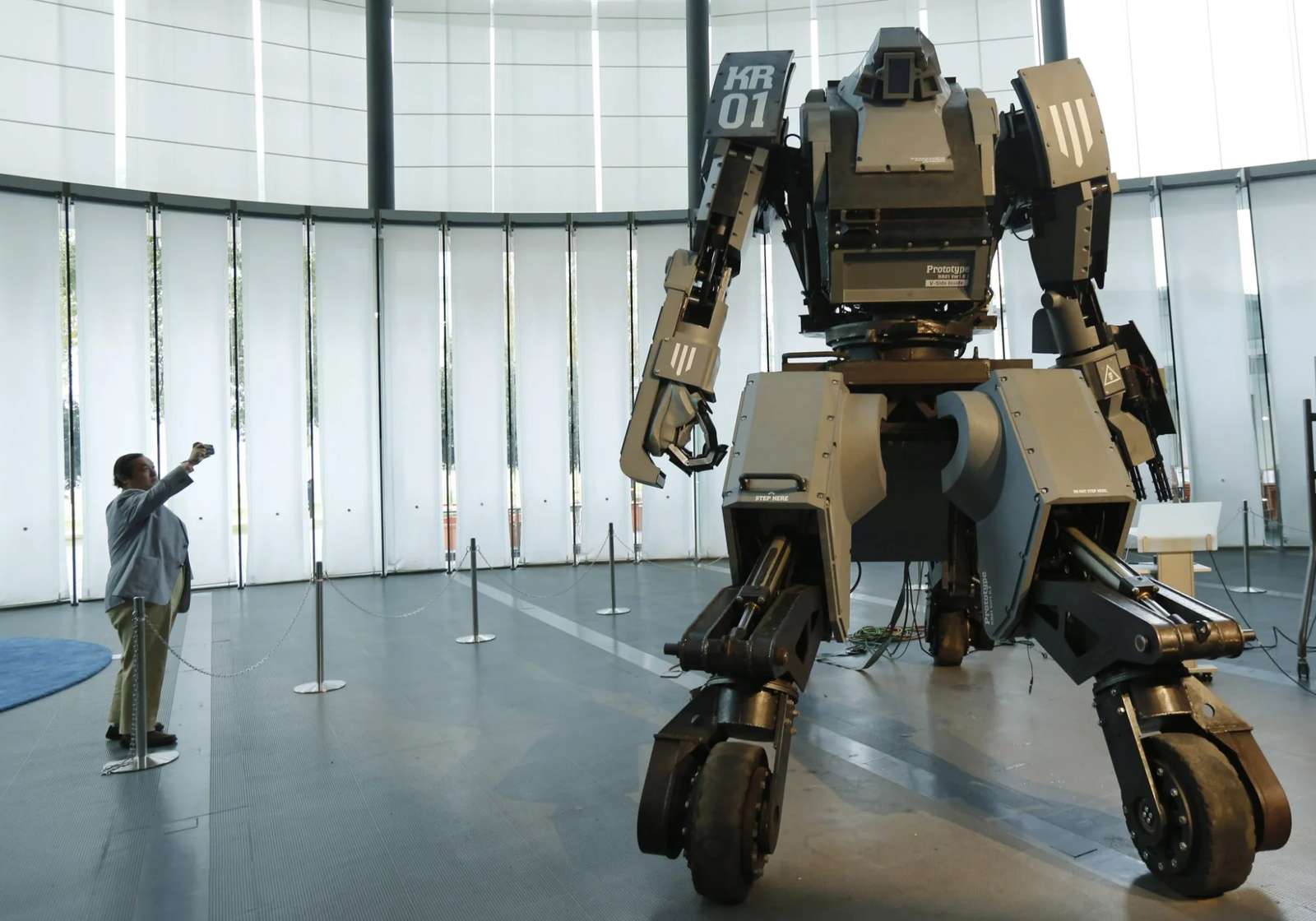
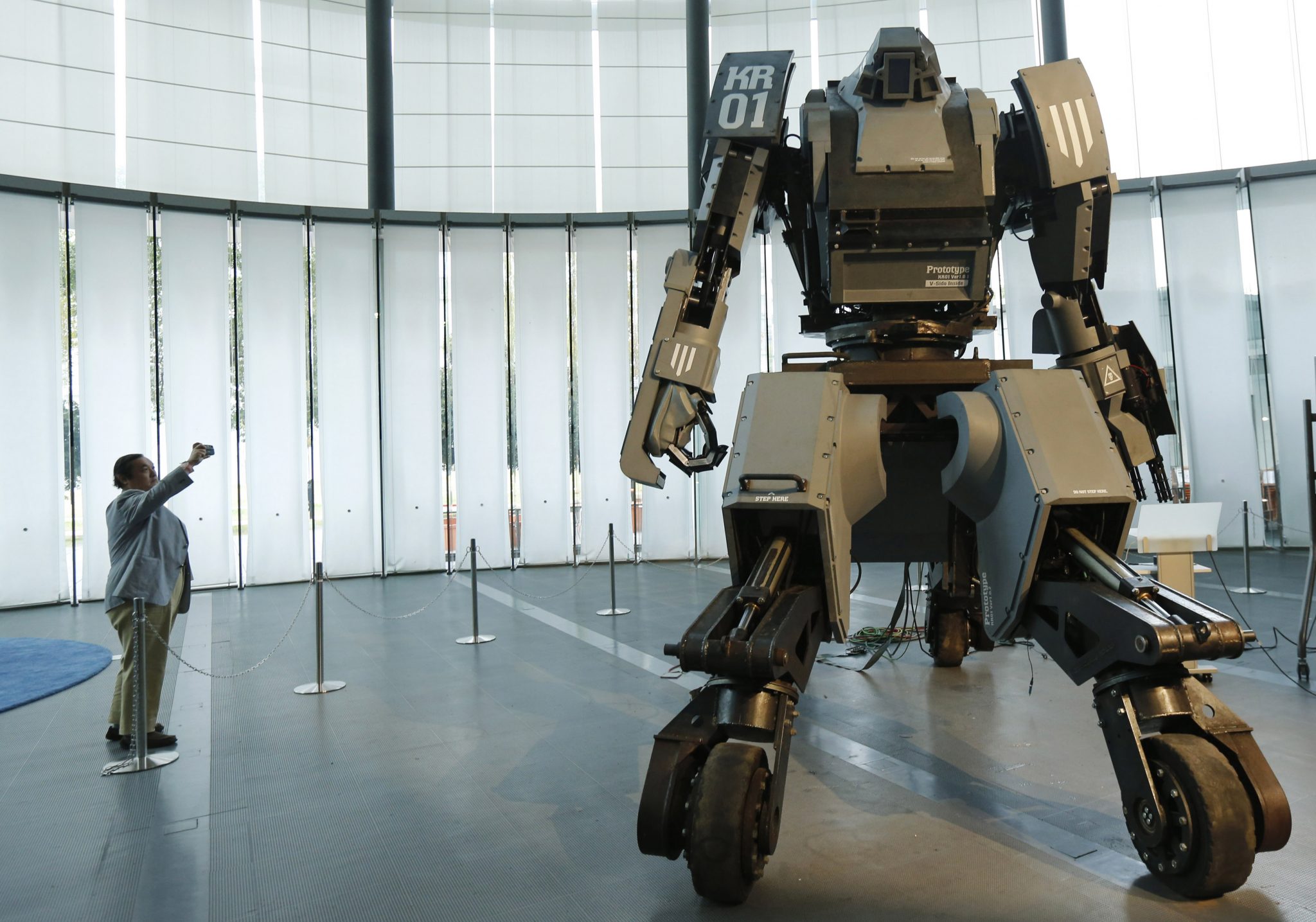 A top British intelligence expert had claimed that the US military will have more robot soldiers on the battlefield than real ones by 2025, suggesting that deadly combat robots are rapidly becoming a reality of modern day warfare. US is looking to have a military edge over other countries like China and Russia in the next 10-15 years, and hence comes an invested effort in research and development of robotics systems.
While the idea of combat robots carrying heavy armaments in military might make people nervous, robots are being largely resorted as a way to dramatically reduce loss of life and introducing support purposes. Though surge in these combat robots in a way are raising the possibility of a Cold War-style race to build offensive and defensive bot technology, these may revolutionize the way battles are fought in the future.
“I see a greater robotisation, in fact, future warfare will involve operators and machines, not soldiers shooting at each other on the battlefield,” Lieutenant-General Andrey Grigoriev, head of the Advanced Research Foundation (ARF) had said last year. “The soldier would gradually turn into an operator and be removed from the battlefield.”
Drones to combat robots- the future of wars are rapidly evolving
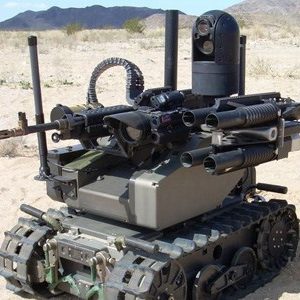
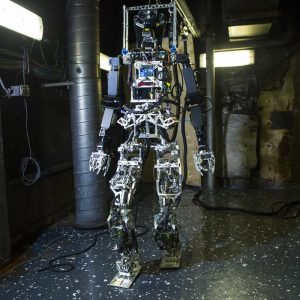
Some of the popular robots used in military by the US
China is extensively working on developing next gen army

Scenario in India
It was reported in August last year that the Indian Army plans to use hundreds of indigenously built robots to fight terrorists in Jammu and Kashmir. These robots can reportedly deliver ammunition at the intended locations in case of unsafe and emergency situations. There were few reports that suggested defence ministry has already approved an army proposal to induct 544 robots for the purpose. These robots are lightweight and consist of surveillance cameras and transmission systems with a range of 200 metres.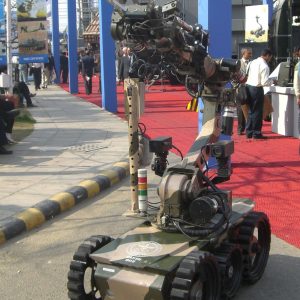
On a concluding note
Robots and technologies like artificial intelligence have been largely looked as villainous technologies that may call the end of human race if given much heed. When it comes to sensitive subjects like military and defence, the topic gets more intense. While robot can be created to be really smart, it lacks experience and emotional aspect, and may not be able to differentiate between a real terrorist and a child who could be at a wrong place at a wrong time. As Ex-Google CEO Eric Schmidt said, he is 'very concerned' that Russia and China are leading the race on artificial intelligence, and will use AI to conquer the world, infusing robotics and AI in military may have negative repercussions.Spotted an error? Tell our editors. Read our editorial standards and corrections.